

Faire vs Petfairs vs Alibaba: Honest Comparison for Pet Store Owners
Why Your Sourcing Choice Directly Shapes Profitability, Not Just Supplier Lists
Running a successful pet retail business in 2026 demands more than just great customer service and trendy products—it requires a data-backed sourcing strategy that protects cash flow, minimizes inventory risk, and maximizes margins. For countless pet store owners, groomers, e-commerce sellers, and subscription box operators, the biggest profitability bottleneck is not low sales volume, but poor supply chain decisions. Discussions across r/petbusiness, Quora, and pet retail industry forums repeatedly highlight a universal pain point: why do pet stores with strong foot traffic and steady sales still struggle to turn a profit? The answer almost always traces back to inventory mismanagement, cash flow constraints, and choosing the wrong wholesale sourcing platform for their business stage.
This comprehensive comparison breaks down Alibaba, Faire, and Petfairs—three of the most popular wholesale solutions for pet retailers—with real industry data, cost analyses, and use-case scenarios to help you align your sourcing strategy with your profit goals. We cut through marketing hype to focus on the metrics that actually move the needle: inventory carrying costs, lead times, minimum order quantities (MOQs), and long-term return on investment (ROI). By the end, you’ll understand how to build a multi-supplier system that balances low cost, low risk, and fast replenishment to drive sustainable growth.
The Hidden Cost of Sourcing: Why Unit Price Is Only the Beginning
Many new and even established pet store owners fixate on one metric when evaluating suppliers: the per-unit product price. They chase the lowest possible cost for pet toys, beds, grooming supplies, and nutritional products, assuming this directly translates to higher margins. However, seasoned pet retail operators know that unit price is a small piece of the total cost equation. The true expense of sourcing lies in inventory carrying costs, cash flow pressure, sell-through risk, and restocking speed—factors that can erase savings from cheap unit prices and sink profitability.
Industry data from NetSuite and ShipBob, two leading supply chain and inventory management platforms, confirms that inventory holding costs typically range from 20% to 30% of a product’s total value annually. These costs include physical storage space, labor for inventory management, insurance for stock, shrinkage (theft, damage, or expiration), and the capital cost of tying up funds in unsold inventory. For bulky pet products like large beds, crates, and outdoor play equipment, shipping and storage costs can account for 50% to 200% of the original product cost, turning “cheap” bulk orders into expensive, profit-draining assets.
A critical lesson for pet retailers: buying low-cost products with slow turnover is financially catastrophic. A pet bed with a $10 unit price from Alibaba may seem like a steal, but if it takes six months to sell through a bulk order, the 25% annual inventory carrying cost adds $1.25 per unit, plus shipping and duties. Compare that to a faster-turnover toy sourced from Petfairs with a $12 unit price that sells out in two weeks—no long-term storage costs, no cash tied up, and consistent revenue. This is why sourcing decisions show up in your profit margins, not just your supplier list.
Three Wholesale Platforms for Pet Retail: Core Functions and Real-World Performance
Instead of asking “which platform is best,” ask “which platform fits my business’s current stage and inventory needs.” Each sourcing solution serves a unique purpose in a pet retailer’s supply chain, and using them in isolation can lead to avoidable risk or missed growth opportunities. Below is a detailed breakdown of Alibaba, Faire, and Petfairs, including their strengths, trade-offs, and ideal use cases for pet stores.
1. Alibaba: Factory-Direct Low Cost, High Volume Commitment
Alibaba is the world’s largest global B2B sourcing platform, connecting retailers directly with manufacturers primarily based in China and other Asian manufacturing hubs. It has long been the go-to for businesses seeking private label products and rock-bottom unit prices, but it comes with non-negotiable trade-offs that make it unsuitable for many small or growing pet stores.
Key Advantages
- Lowest unit pricing in the market: Factory-direct pricing eliminates middleman markups, making it ideal for high-volume pet products with consistent demand.
- Private label and customization capabilities: Full control over branding, packaging, and product design for stores looking to build their own line of pet supplies.
- Scalable supply for large operations: Capable of fulfilling massive orders for big-box pet stores, national e-commerce brands, and subscription box services with high monthly volume.
Critical Limitations and Hidden Risks
As countless Quora and r/petbusiness contributors note, Alibaba’s low prices come with steep strings attached:
- Exorbitantly high MOQs: Minimum orders typically start at 100 units and can climb to 1,000+ units for popular pet products. This requires thousands of dollars in upfront investment, locking up cash that could be used for store operations or marketing.
- Extremely long lead times: Production for pet products takes 10–30 days, plus ocean freight (30–45 days) or air freight (7–10 days) to reach U.S. retailers. Total sourcing cycles often stretch 30–60+ days, making it impossible to react to fast-changing pet trends.
- Complex landed cost calculations: Total landed cost includes product price, international shipping, import duties, customs fees, and risk costs (delays, damaged goods). For bulky pet items, these additional costs can double or triple the base unit price.
Best Use Cases
- Established pet retail chains with consistent high-volume sales
- Brands launching private label pet product lines
- Retailers focusing on evergreen, slow-changing products (e.g., basic leashes, food storage containers)
Biggest Profit Risks
- Severe inventory risk if trends shift or products underperform
- Cash flow stagnation from funds tied up in unsold bulk stock
- Inability to adapt to viral pet trends (e.g., 2026’s smart pet devices or cooling mats)
2. Faire: Low-Risk Curated Marketplace, Higher Price Points
Faire is a premium wholesale marketplace designed for independent retailers, featuring curated boutique brands across industries, including pet products. It prioritizes risk reduction for small businesses, making it a favorite for new pet store owners testing product lines for the first time.
Key Advantages
- Generous payment terms: Eligible buyers receive 60-day net payment terms, allowing retailers to sell products before paying suppliers.
- Risk-free first orders: Free returns on initial orders eliminate the fear of investing in unsellable pet products.
- Low or no MOQs: Most brands on Faire offer flexible minimum orders, perfect for testing small batches of niche or boutique pet items.
- Unique, high-end products: Access to boutique pet accessories, organic treats, and luxury grooming supplies that stand out from big-box competitors.
Trade-Offs for Profitability
Faire’s risk-reduction features come at a clear cost to margins:
- Highest wholesale prices in the comparison: Brands on Faire pay 15–25% platform commissions, which are passed directly to retailers in the form of higher per-unit costs.
- Margin compression: Higher wholesale prices limit the markup retailers can apply, especially for price-sensitive pet product categories.
- Limited scalability: The platform’s focus on small, independent brands makes it difficult to source large quantities of fast-moving products for growing stores.
Best Use Cases
- New pet store owners testing product assortments
- Boutique pet shops targeting high-end, luxury pet owners
- Retailers adding unique, niche products to differentiate their inventory
Biggest Profit Risks
- Pricing ceilings that prevent competitive pricing
- Sustained margin compression that limits long-term profitability
- Lack of bulk sourcing options for high-demand products
3. Petfairs: Hybrid Sourcing Model for Modern Pet Retail Growth
Petfairs is a specialized wholesale platform built exclusively for pet industry businesses, including pet stores, groomers, e-commerce sellers, veterinary clinics, and subscription box services. It bridges the gap between Alibaba’s low cost and Faire’s low risk, offering factory-direct pricing with flexible MOQs and fast U.S.-based fulfillment—making it the ideal solution for growing pet retailers.
Core Positioning
Petfairs caters to both small businesses (Small B) and high-volume buyers (Large C) with a focus on low risk, fast turnover, and balanced pricing. It eliminates the long lead times and high MOQs of Alibaba while avoiding the margin compression of Faire, creating a sourcing solution that aligns with the needs of 2026’s dynamic pet retail market.
Key Competitive Advantages
Ultra-low MOQs for minimal risk
Unlike Alibaba’s 100+ unit minimums, Petfairs requires orders as small as one carton, allowing retailers to test dozens of pet SKUs without large upfront investments. This is perfect for testing viral trends (e.g., interactive toys, eco-friendly products) and avoiding costly inventory mistakes.
Fast U.S. warehouse fulfillment
Petfairs operates U.S.-based warehouses with 1–3 day processing times and 3–7 day delivery to most U.S. locations. This enables weekly replenishment cycles, so retailers only stock what they can sell quickly—eliminating excess inventory and carrying costs.
Balanced pricing for maximum ROI
Petfairs’ wholesale prices are significantly lower than Faire’s and more flexible than Alibaba’s bulk pricing. The platform cuts unnecessary middleman fees, passing savings to retailers while maintaining fast, reliable fulfillment.
Minor Trade-Offs
- Returns are limited to defective or incorrectly shipped items (no risk-free returns for slow-selling products)
- Requires intentional product selection to maximize sell-through rates
Best Use Cases
- Growing pet stores scaling from startup to established operations
- Pet e-commerce sellers needing fast restocking for online orders
- Retailers focusing on fast-moving, trend-driven pet products
- Groomers and veterinary clinics with regular, consistent supply needs
Comparative Analysis: Alibaba vs Faire vs Petfairs for Pet Retailers
The table below distills the critical metrics that impact pet store profitability, from unit cost to cash flow impact, to help you make data-driven sourcing decisions.
Sourcing Factor | Alibaba | Faire | Petfairs |
Per-Unit Cost | Lowest (factory-direct) | Highest (platform commissions) | Medium (balanced, low fees) |
Minimum Order Quantity (MOQ) | High (100–1,000+ units) | Low (brand-dependent, often 0–10 units) | Low (1 carton minimum) |
Cash Flow Impact | Severe (upfront bulk investment) | Minimal (net-60 terms, low MOQs) | Moderate (small orders, fast turnover) |
Fulfillment Lead Time | 30–60+ days (production + shipping) | 3–7 days (domestic U.S.) | 3–7 days (U.S. warehouse fulfillment) |
Return Policy | Dispute-based, limited protections | Free returns on first orders | Defective/wrong item returns only |
Inventory Risk | Extremely high (bulk, slow turnover) | Very low (risk-free testing) | Low (small batches, fast restocking) |
Ideal Business Stage | Scaled, high-volume retailers | Startup/boutique testing | Growing, trend-focused retailers |
Margin Potential | High (if sell-through is consistent) | Low (high wholesale costs) | High (balanced cost + fast turnover) |
The Winning Supply Chain Strategy: Multi-Supplier Sourcing for Pet Retail
McKinsey’s global supply chain research confirms that businesses across industries reduce risk and boost profitability by using a diversified sourcing model. For pet retailers, this means leveraging Alibaba, Faire, and Petfairs for their unique strengths at different stages of growth—rather than relying on a single platform. Here’s how smart pet store owners structure their supply chain:
Stage 1: Product Testing (Startup & New SKUs)
- Use Faire for risk-free testing of boutique, high-end pet products with free first-order returns and net-60 terms.
- Use Petfairs to test trend-driven, fast-moving pet products (e.g., cooling mats, smart devices) with low MOQs and no upfront financial risk.
Stage 2: Business Growth (Scaling Sales & Inventory)
- Shift core fast-moving products to Petfairs for weekly replenishment, low inventory carrying costs, and consistent cash flow.
- Phase out over-reliance on Faire’s high-cost products to improve margins as sales volume increases.
Stage 3: Enterprise Scaling (Private Label & Bulk Orders)
- Use Alibaba for bulk production of top-performing evergreen products and private label pet lines, locking in the lowest unit costs for high-volume items.
- Continue using Petfairs for trend products and fast restocking to avoid inventory stagnation.
Real-World Profit Example: Sourcing Strategy Impact on Pet Store Bottom Line
To illustrate how sourcing choices directly affect profitability, let’s compare two scenarios for a mid-sized pet store selling popular interactive dog toys—a top 2026 pet trend.
Scenario A: Poor Sourcing Strategy (Alibaba Bulk Order)
- Orders 500 interactive toys from Alibaba at $8/unit (total product cost: $4,000)
- Lead time: 45 days (production + ocean shipping)
- Inventory carrying cost: 25% annually ($1,000 for 12 months of storage)
- Sell-through rate: 20 units/month (25 months to sell out)
- Additional costs: Shipping, duties, and storage ($1,200)
- Total cost per unit: ~$12.40
- Result: Cash tied up for 2+ years, excess inventory, forced discounting to move stock, and negative ROI.
Scenario B: Optimized Sourcing Strategy (Petfairs Testing + Replenishment)
- Tests 50 toys from Petfairs at $10/unit (total cost: $500)
- Sells out in 2 weeks (sell-through rate: 100 units/week)
- Reorders weekly from Petfairs with 3–7 day delivery
- No long-term storage costs or excess inventory
- Total cost per unit: $10 (no hidden fees)
- Result: 100% inventory turnover, consistent cash flow, full markup potential, and positive monthly ROI.
The difference in profitability is staggering: the optimized strategy generates consistent revenue and margins, while the bulk Alibaba order drains cash and creates long-term inventory headaches. This is why inventory turnover rate, sell-through rate, and cash conversion cycle are far more important metrics for pet retailers than per-unit price alone.
2026 Pet Product Trends: Sourcing Opportunities to Maximize Profit
To align your sourcing strategy with current market demand, focus on these high-turnover pet trends identified by TikTok viral content, pet industry sales data, and consumer behavior reports:
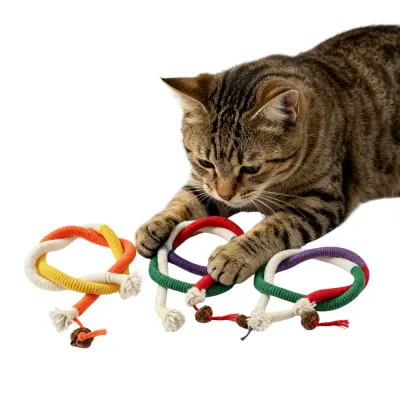
- Interactive pet toys: Mental stimulation toys for dogs and cats with consistent sell-through rates.
- Cooling mats and temperature-regulating products: High-demand seasonal items with fast turnover.
- Smart pet devices: Automated feeders, cameras, and activity trackers for tech-savvy pet owners.
- Aesthetic pet accessories: Stylish collars, beds, and carriers for Instagram-friendly pet care.
- Eco-friendly pet products: Biodegradable waste bags, sustainable toys, and organic treats (growing consumer demand).
These trend-driven products perform best with fast-replenishment sourcing from Petfairs, as their demand can shift quickly—making Alibaba’s long lead times risky and Faire’s high prices limiting to margins.
These trend-driven products perform best with fast-replenishment sourcing from Petfairs, as their demand can shift quickly—making Alibaba’s long lead times risky and Faire’s high prices limiting to margins.
In addition, keyword-driven product categories with proven retail demand continue to show strong, stable turnover across both online and offline pet stores. High-search and repeat-purchase items such as mini dog toys, extra small dog accessories, interactive pet toys, dog mesh bed, blue and white dog bowl, and aesthetic pet accessories align closely with impulse buying behavior and social media trends.
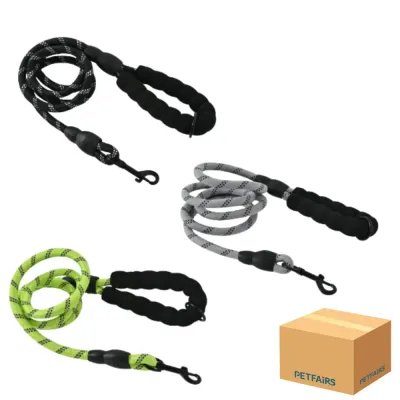
Functional walking and training gear also remains a consistent revenue driver. Products like green dog leash, climbing rope dog lead, long dog training lead, long leash, canine running harness, black dog harness, rope dog harness, ez walk harness for dogs, easy walk harness for dogs, light blue body harness, and dog harness size guide-related products cater to practical needs, making them essential for repeat customers and everyday use scenarios.
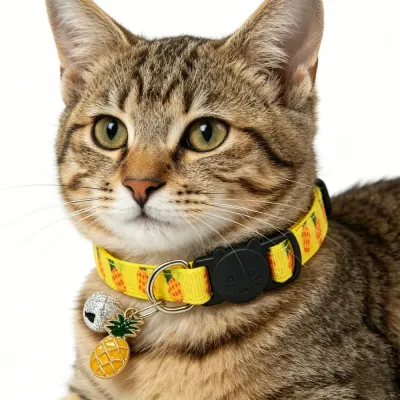
At the same time, fashion-oriented and niche styling products are gaining traction, especially among younger pet owners and social commerce sellers. Items such as dog coat blue, doxie raincoat, batman dog collar, camo and pink dog collar, dog collars with flowers, and pink collar for cat fit perfectly into the growing demand for personalized and Instagram-ready pet lifestyles.
By combining trend-driven categories with these high-intent search keywords, retailers can build a more balanced product mix—covering both fast-moving impulse items and stable, evergreen SKUs—ultimately improving inventory turnover, reducing dead stock risk, and maximizing overall profit margins.
Final Conclusion: Choose the Right Platform for Your Business Stage
There is no single “best” wholesale platform for pet store owners—only the right platform for your current business size, growth goals, and inventory needs. The key to sustainable pet retail profitability is building a diversified sourcing strategy that uses each platform for its core strength:
- Alibaba: For lowest-cost bulk orders and private label products (scaled businesses only).
- Faire: For risk-free product testing and boutique inventory (startups and luxury retailers).
- Petfairs: For balanced pricing, low MOQs, and fast fulfillment (growing pet businesses).
By combining these three platforms into a multi-supplier system, you can minimize inventory risk, protect cash flow, and maximize margins—turning your supply chain from a profitability bottleneck into a competitive advantage. In the fast-evolving pet industry, the retailers that thrive are not those with the cheapest products, but those with the smartest sourcing strategy.
Cited Sources
- NetSuite. (2026). *Inventory Carrying Cost Benchmarks for Retail Businesses*.
- ShipBob. (2026). *Retail Inventory Holding Cost Analysis*.
- McKinsey & Company. (2025). *Global Supply Chain Risk Mitigation Report*.
- Alibaba.com. (2026). *Trade Assurance and MOQ Policies for U.S. Retailers*.
- Faire Wholesale. (2026). *Retailer Payment Terms and Return Policy Guidelines*.
- Petfairs. (2026). *U.S. Warehouse Fulfillment and MOQ Standards*.
- Freightos. (2026). *China-to-U.S. Shipping Time and Cost Data*.
- U.S. Food and Drug Administration (FDA). (2026). *Pet Product Import and Safety Regulations*.


 Popular Blogs