

How to Save Money on Pet Supplies (For Pet Retailers)
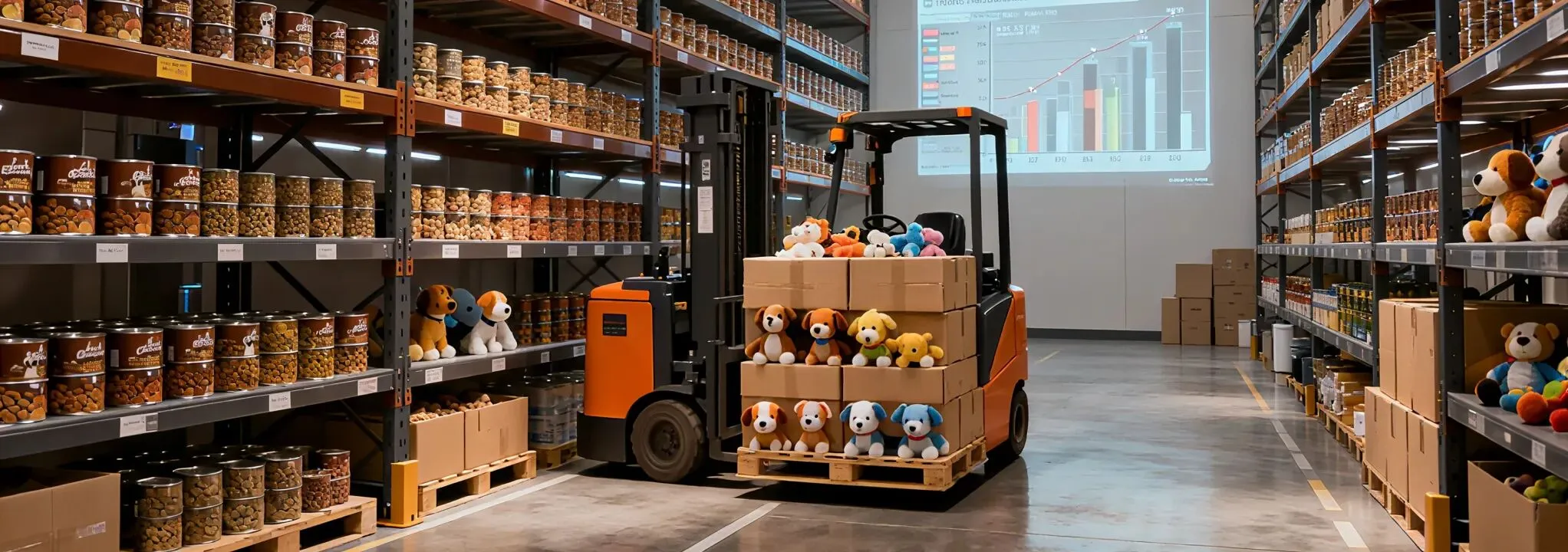
The pet industry has been experiencing rapid growth, with pet supplies becoming an increasingly important part of the market. At the same time, retail costs continue to rise, especially for essential items like food, toys, and grooming products. For pet retailers, finding ways to reduce purchasing costs while maintaining product quality and customer satisfaction is crucial for protecting profit margins and staying competitive.
This article is designed to provide pet store owners, small chain purchasing managers, and online pet retailers with practical strategies to save money on pet supplies. By implementing these approaches, you can optimize inventory management, lower costs, and ensure that your customers continue to receive high-quality products and exceptional service.
2. Analyze Your Inventory and Sales Data
A key step in saving money on pet supplies is understanding your current inventory and sales trends. Start by reviewing sales performance to identify which product categories are best-sellers and which items are slow-moving. This analysis helps you avoid tying up capital in products that rarely sell.
Next, identify slow-moving products and consider strategies to reduce excess stock, such as promotions or bundling with popular items. Maintaining an optimal inventory is critical—optimize stock levels by adjusting order quantities based on historical sales data, seasonal demand, and market trends. This reduces the risk of overstocking or stockouts, both of which can impact profitability.
Finally, leverage inventory management tools to enhance visibility and control over your stock. Modern software can track sales, predict demand, and alert you to low or excess inventory, helping you make informed purchasing decisions while minimizing waste.
3. Establish a Smart Budgeting Strategy
Creating a well-structured budgeting strategy is essential for controlling costs and maximizing profitability. Start by setting a monthly or quarterly procurement budget to prevent impulsive purchases and ensure that spending aligns with your business goals.
Next, forecast seasonal demand by analyzing past sales trends and anticipating peak periods, such as holidays or seasonal product changes. Planning ahead allows you to stock the right products at the right time, avoiding last-minute purchases at higher prices.
Finally, allocate funds based on profit margins. Invest more in high-margin products that drive revenue, while keeping inventory of lower-margin items under control. This approach ensures that your budget is used efficiently, supporting both sales growth and sustainable profit management.
4. Source from Reliable Wholesale Suppliers
Sourcing from trustworthy wholesale suppliers is crucial for reducing costs without compromising quality. Factory-direct suppliers often offer lower prices and genuine wholesale rates, allowing retailers to maximize profit margins.
In addition, consider using verified online platforms, such as Petfairs, which provide low minimum order quantities (MOQs), ready-to-ship inventory, and global delivery options. These platforms make it easier for small and medium-sized retailers to access high-quality products without the complexities of importing.
Negotiating terms with your suppliers is another effective strategy. Discuss pricing, volume discounts, payment terms, and shipping arrangements to secure the best possible deal.
Finally, consider working with multiple suppliers. Diversifying your sourcing partners helps prevent supply chain disruptions, maintains competitive pricing, and ensures that your store always has the products your customers want.
5. Leverage Bulk Purchasing and Bundling
One of the most effective ways for pet retailers to save money is through bulk purchasing of essential items. High-turnover products such as pet food, cat litter, and dog treats are ideal candidates. Buying in larger quantities often comes with significant discounts, reducing the cost per unit and improving overall profit margins.
Another strategy is to bundle related products. For example, pairing grooming tools with shampoos or toys with treats can increase the average order value while also optimizing procurement costs. Bundling not only benefits your business financially but can also enhance the shopping experience for customers.
Additionally, small retailers can coordinate bulk purchases with other stores. Collaborative buying allows you to access larger order discounts typically reserved for bigger retailers, helping you compete more effectively without overextending your budget.
6. Take Advantage of Discounts, Promotions, and Loyalty Programs
Pet retailers can significantly reduce costs by capitalizing on seasonal sales and clearance events. Holidays, end-of-season discounts, and promotional campaigns often provide opportunities to stock up on popular items at lower prices, boosting profit margins.
Another way to save is through supplier loyalty programs. Many suppliers offer points, rebates, or additional discounts to repeat customers. Participating in these programs can lead to substantial savings over time while strengthening your relationship with suppliers.
Finally, consider early payment discounts. Some suppliers provide price reductions or favorable terms for retailers who pay invoices promptly or establish long-term partnerships. This not only lowers costs but also demonstrates reliability, which can open the door to further negotiations and preferential treatment.
7. Optimize Shipping and Logistics
Efficient shipping and logistics play a key role in controlling costs for pet retailers. Start by choosing cost-effective shipping methods, balancing speed and expense. Combining air and sea freight can help manage urgent deliveries while keeping overall shipping costs reasonable.
Whenever possible, use local warehouses to store inventory. Accessing products from nearby distribution centers reduces transportation fees, import duties, and delivery times, improving cash flow and customer satisfaction.
Additionally, consolidate orders to minimize the cost of frequent small shipments. Grouping multiple items into a single shipment not only lowers logistics expenses but also simplifies inventory management and reduces the risk of lost or delayed deliveries.
8. Focus on Quality to Reduce Returns and Wastage
Maintaining product quality is essential for minimizing costs associated with returns and inventory wastage. Always inspect quality before purchase to ensure that items meet your standards and avoid losses due to defective or subpar products.
Opt for durable, trusted brands, as high-quality products are less likely to break or expire quickly, reducing replacement costs and enhancing customer satisfaction. Investing in reliable products can also build long-term trust with your customers, encouraging repeat business.
Additionally, monitor customer feedback closely. Reviews and direct feedback provide valuable insights into which products perform well and which may cause issues. Adjusting your procurement strategy based on this information helps reduce slow-moving inventory, return rates, and overall operational costs.
9. Implement Cost-Saving Store Strategies
Effective in-store strategies can help pet retailers reduce costs and boost profitability. Start with efficient shelf management by organizing inventory to minimize product damage, spoilage, and expiration. Proper rotation and storage practices ensure that items sell before they become a loss.
Another approach is to implement cross-sell and up-sell strategies. Suggesting complementary products or higher-value alternatives to customers can increase the average order value while optimizing inventory turnover.
Finally, train staff on product knowledge. Well-informed employees can make accurate recommendations, prevent mis-sold items, and reduce inventory waste. Investing in staff training not only saves money but also enhances the customer experience and builds store credibility.
10. Leverage Technology for Procurement Efficiency
Technology can significantly enhance procurement efficiency and cost management for pet retailers. Using inventory management software allows you to automate reordering, receive alerts for low stock, and maintain optimal inventory levels, reducing the risk of overstocking or stockouts.
Market trend analysis tools provide insights into top-selling products and emerging customer preferences. By understanding market trends, you can focus your purchasing on high-demand items and avoid investing in slow-moving products.
Additionally, supplier comparison tools make it easy to evaluate multiple vendors based on price, shipping options, and product quality. This ensures that you make informed purchasing decisions while securing the best value for your store.
11. Reuse, Recycle, and Strategic Sourcing
Pet retailers can save money by incorporating reuse and recycling strategies into their operations. For example, recycling packaging materials and display items reduces additional expenses while promoting sustainable practices.
Consider second-hand or refurbished equipment for non-consumable items like shelving, cages, or store fixtures. These options can provide substantial savings without compromising functionality or quality.
Additionally, source locally when cost-effective. Procuring products from nearby suppliers can lower transportation costs, reduce import taxes, and shorten delivery times, helping you maintain healthy cash flow and minimize overhead.
12. Conclusion
In summary, pet retailers can effectively save money on supplies by implementing key strategies such as data-driven purchasing, bulk buying, sourcing from high-quality suppliers, and optimizing logistics. These approaches not only reduce costs but also enhance overall operational efficiency.
Long-term profitability depends on careful inventory management and proactive planning. By continuously monitoring sales data, supplier performance, and market trends, retailers can make informed decisions that minimize waste and maximize returns.
Ultimately, staying attentive to the supply chain, market trends, and cost-control opportunities ensures sustainable growth, allowing pet retailers to maintain competitive pricing while providing high-quality products and excellent customer service.
Running a pet store comes with constant challenges—rising product costs, complex import processes, and inventory management headaches. Petfairs is designed to make sourcing pet supplies easier and more cost-effective.
Petfairs helps pet retailers:
- Access factory-direct prices and low MOQ to reduce purchasing costs.
- Get ready-to-ship inventory from U.S. and China warehouses for faster fulfillment.
- Simplify logistics and import processes, saving time and effort.
- Source high-quality, trending products to keep your store competitive.
FAQ – How to Save Money on Pet Supplies (For Pet Retailers)
Q1: What are the main ways pet retailers can reduce costs on supplies?
A1: Retailers can save money through data-driven purchasing, bulk buying, sourcing from reliable wholesale suppliers, optimizing shipping and logistics, and focusing on high-quality, durable products to reduce returns and wastage.
Q2: Should I order in bulk or smaller quantities?
A2: It depends on your sales data. High-turnover items like pet food or litter benefit from bulk purchases, while slow-moving or niche products can be ordered in smaller quantities to avoid overstocking.
Q3: How can I use sales data to save money?
A3: Analyzing inventory and sales trends helps identify slow-moving products, optimize stock levels, and prevent excess capital from being tied up in low-demand items.
Q4: How can suppliers help me save costs?
A4: Working with factory-direct suppliers or verified platforms like Petfairs can provide wholesale pricing, low MOQ, bulk discounts, and sometimes loyalty programs or early payment discounts.
Q5: Are there ways to reduce shipping costs?
A5: Yes. Retailers can consolidate orders, use local warehouses, and select cost-effective shipping methods to balance speed and expense, minimizing logistics costs.
Q6: How important is product quality in cost savings?
A6: Very important. Choosing durable, trusted brands reduces returns and wastage. Monitoring customer feedback ensures you only stock products that sell reliably, which saves both money and storage space.
Q7: Can technology help with saving on pet supplies?
A7: Absolutely. Inventory management software, market trend tools, and supplier comparison platforms help automate reordering, predict demand, and compare vendors, ensuring smarter procurement decisions.
Q8: How can collaboration with other retailers save money?
A8: Small retailers can coordinate bulk purchases with other stores to access volume discounts and better supplier terms, which might not be available individually.
Q9: Are there non-traditional ways to save?
A9: Yes. Reusing packaging, recycling display items, sourcing locally, or purchasing second-hand equipment can lower costs without affecting store operations.
Q10: What’s the overall strategy for sustainable savings?
A10: Combine smart budgeting, strategic sourcing, efficient logistics, quality control, and technology tools to create a sustainable cost-saving strategy that keeps your store profitable and competitive.





 Popular Blogs