
2025 U.S. Cat Toy Material Market: A Deep Dive into Value-Driven Transformation
The U.S. cat toy market is no longer a realm dominated by low-cost, disposable products. In 2025, a profound transformation is underway—driven by the deepening "pet humanization" trend and evolving consumer expectations, materials have become the core battlefield for brand competition. Today’s U.S. cat owners, particularly millennials and Gen Z, are redefining "value" in cat toys: safety that matches human product standards, sustainability aligned with environmental values, and durability that balances cost and long-term use. This analysis delves into the 2025 U.S. cat toy material market, uncovering the hidden drivers behind material choices, market competition patterns, and future development trajectories, with insights tailored for global pet industry stakeholders targeting the U.S. market.
1. Market Foundation: Scale Expansion and Demand Reconstruction
The U.S. pet industry has maintained steady growth even amid economic fluctuations, and the cat toy segment is a key growth engine. According to theAmerican Pet Products Association (APPA) 2025 Annual Report, the U.S. cat toy market size reached $2.0–$2.3 billion in 2025, with an annual growth rate of 7%–8%, outpacing the 5.9% global CAGR projected by Market.us for 2024–2035. This growth is not just quantitative expansion but qualitative upgrading—demand is shifting from "having toys" to "having high-quality, value-matched toys."
Key demand drivers reshaping the market:
- Pet Humanization Deepening: 70% of U.S. cat-owning households regard cats as family members (Chewy 2025 Consumer Survey), leading to a surge in demand for materials that meet "human-grade" safety standards. For example, food-grade silicone and BPA-free plastics are no longer premium options but basic requirements for many consumers.
- Eco-Conscious Consumption Rise: U.S. pet owners’ environmental awareness has spilled over into pet products. A 2025 survey by the Sustainable Pet Products Association shows that 78% of respondents are willing to pay a 20%–50% premium for cat toys labeled "recycled," "biodegradable," or "eco-friendly." This has directly driven the growth of natural fiber and recycled material segments.
- Diversification of Cat Lifestyles: With the increase in single-person households and remote work, cats’ emotional needs have become more prominent. Interactive toys with smart functions and comforting plush toys with soft textures are in high demand, which in turn puts forward diversified requirements for material performance—such as insulation for smart toy materials and tear resistance for plush fabrics.
2. Core Material Landscape: Dominant Segments and Hidden Growth Drivers
The 2025 U.S. cat toy material market presents a pattern of "three pillars dominating, niche segments growing rapidly." Plastics/synthetic polymers, rubber/silicone, and fabrics/textiles account for 85% of the market share, while natural fibers, feathers, and cardboard/paper occupy niche positions. Below is a detailed analysis of each core material segment, with data sourced from authoritative industry reports and U.S. e-commerce platform sales insights.
Material Category | Primary U.S. Market Applications | Core Advantages | Key Pain Points | Market Share (2025 Est.) | Data Source |
|---|---|---|---|---|---|
Plastics/Synthetic Polymers | Hard-shell interactive toys, electronic toy casings, laser pointers, orbital tracks | Low cost, strong moldability, suitable for mass production; ABS/PP offer balanced hardness and toughness | Environmental concerns; non-certified products risk BPA/phthalate contamination | 35% | Metatech Insights 2025, Amazon U.S. Sales Data |
Rubber/Silicone | Chew toys, bouncing balls, smart toy soft contact parts, kitten teething toys | Exceptional bite resistance; food-grade options are non-toxic and easy to clean | Higher production and shipping costs; silicone hardens in low-temperature environments | 30% | Future Market Insights 2025, Surgery Care Industry Report |
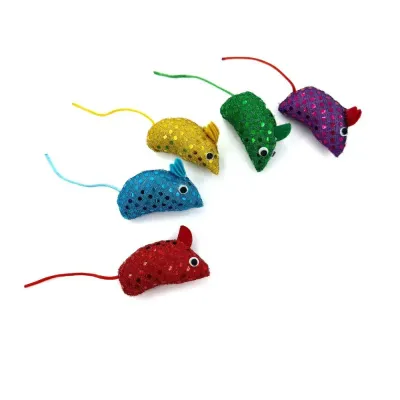
Fabrics/Textiles | Plush toys, cat tunnels, drag toys, wand toy attachments | Soft texture, high appeal to cats; customizable colors/patterns; compatible with catnip filling | Prone to tearing and shedding; difficult to clean; short lifespan | 20% | thebusinessresearchcompany.com, P.L.A.Y. Product Analytics |
Natural Fibers/Materials | Sisal scratching boards, hemp rope toys, wool balls, organic cotton stuffed toys | Sustainable, biodegradable; safe for sensitive cats; align with eco-trends | High cost; uneven durability (wool vs. sisal) | 10% | KOSTON, Sustainable Pet Products Association 2025 |
Feathers/Cardboard | Feather wands, corrugated cardboard scratchers, lightweight interactive balls | Feathers stimulate hunting instincts; cardboard is ultra-low cost and recyclable | Feather ingestion risk; cardboard is moisture-sensitive and short-lived | 5% (combined) | Rumor Fix, Americat Market Data |
2.1 Plastics/Synthetic Polymers: Dominant but Undergoing Green Transformation
Plastics remain the largest material segment in the U.S. cat toy market, but the era of "low-cost plastic dominance" is ending. The key trend in 2025 is the replacement of traditional plastics with eco-friendly alternatives. rPET (recycled polyester) has become the fastest-growing sub-segment in plastic materials, accounting for over 60% of eco-friendly plastic usage in cat toys. Brands like P.L.A.Y. use 100% post-consumer recycled PET for stuffed toy fillings, which has become a key selling point on e-commerce platforms.
Deep market insight: The demand for plastic materials is splitting. In the mass market, BPA-free PP/ABS plastics (priced at $1.2–$2.2 per kg) still dominate due to cost advantages, targeting budget-conscious consumers. In the mid-to-high-end market, recycled and biobased plastics are gaining traction, driven by brand ESG (Environmental, Social, Governance) strategies and consumer environmental demands. This split will further widen as U.S. states consider stricter regulations on single-use plastics.
2.2 Rubber/Silicone: Safety-Driven Growth with Premiumization Potential
Rubber and silicone have become the gold standard for chew toys, thanks to their exceptional bite resistance. According to Future Market Insights, rubber/silicone toys have an average lifespan of 3–6 months, far longer than fabric (1–2 months) or cardboard (1–4 weeks) toys. Food-grade silicone, in particular, has become a must-have for kitten toys, with a market penetration rate of 45%, as new cat owners prioritize "oral safety" for young pets.
Competitive focus: Brands are competing on material innovation and sustainability. For example, West Paw’s closed-loop recycling program for rubber toys allows consumers to return old products for recycling, creating a circular economy model that resonates with U.S. eco-conscious consumers. However, the high cost of rubber/silicone (30%–50% more expensive than traditional plastics) limits their penetration in the entry-level market, creating an opportunity for cost-effective alternatives like TPR (thermoplastic rubber).
2.3 Natural Fibers: Niche to Mainstream—The Rise of Eco-Premium
Natural fibers (sisal, hemp, organic cotton) are the fastest-growing material segment in 2025, with a year-on-year growth rate of 28% (KOSTON). Sisal, with its superior durability, has monopolized the U.S. scratching toy market (100% market share), while hemp and organic cotton are gaining popularity in high-end stuffed toys and interactive rope toys. The core driver of this growth is the "eco-premium" mindset—U.S. consumers are willing to pay $15–$25 for hemp cat toy sets, nearly twice the price of traditional rope toys.
Market barrier: The high cost of natural fibers (high-quality sisal rope: $0.8–$1.5 per roll) and complex processing requirements are the main barriers to large-scale adoption. However, as production technology advances and consumer demand increases, costs are expected to decline, driving natural fibers from niche to mainstream in the next 3–5 years.
3. Market Competition Logic: Material Differentiation as a Core Barrier
In the 2025 U.S. cat toy market, material innovation has become the key to building brand differentiation. The competition pattern can be divided into three tiers, each with distinct material strategies:
3.1 Premium Tier: Sustainability + Safety as Core Selling Points
Brands in this tier (e.g., West Paw, P.L.A.Y.) focus on natural fibers, recycled materials, and food-grade silicone. They invest heavily in certification (FDA, FSC, ASTM F963) and highlight material transparency in marketing. For example, P.L.A.Y.’s product pages detail the source of recycled PET and certification numbers, which has helped it capture 15% of the U.S. premium cat toy market. The target audience is eco-conscious millennials and Gen Z with high disposable income.
3.2 Mid-Range Tier: Balancing Cost, Durability, and Basic Safety
This is the largest market segment, with brands focusing on BPA-free plastics, TPR rubber, and composite materials (e.g., plastic frames + silicone outer layers). The core strategy is to balance cost and performance—for example, using ABS plastic for durability and adding a thin silicone layer for safety. Prices range from $10–$25, targeting the mainstream middle-class consumer group. Key competitive factors include material durability and design innovation.
3.3 Entry-Level Tier: Cost Control with Compliance Guarantees
Entry-level brands rely on low-cost plastics and fabrics, but they must meet basic U.S. safety standards (e.g., BPA-free, lead content ≤90ppm). The price range is $5–$15, with product portfolios focused on value packs (e.g., 24-piece mixed material toy sets). The target audience is budget-conscious consumers and pet adoption centers. In this tier, compliance is the minimum threshold—brands that fail to meet safety standards are quickly eliminated from major retailers like Amazon and Petco.
4. Price Dynamics: How Materials Define Market Positioning
Material costs are the primary driver of cat toy pricing in the U.S. market, with clear stratification based on material type and sustainability attributes. Below is an analysis of typical product prices and premium drivers, sourced from 2025 sales data on Amazon and Chewy.
Product Category | Core Material | U.S. Retail Price Range (USD) | Price Premium Factor | Sales Volume Contribution |
|---|---|---|---|---|
Entry-Level Value Packs | Plastic + Basic Polyester | $5.94 – $8.05 | None—cost-driven pricing | 40% of total sales volume |
Basic Plush Toys | Polyester Plush + Catnip | $6.49 – $6.99 | Catnip filling (+10% premium) | 25% of total sales volume |
Eco-Friendly Natural Fiber Toys | Hemp/Sisal | $15.63 – $16.99 | Natural material + sustainability certification (+50% premium) | 15% of total sales volume |
Smart Interactive Toys | BPA-Free Plastic + Silicone | $17.99 – $25.59 | Smart components + safe materials (+80% premium) | 12% of total sales volume |
Premium Sustainable Toys | Recycled Rubber/Natural Fiber | $20.00 – $35.00 | Closed-loop recycling + brand premium (+150% premium) | 8% of total sales volume |
5. Future Trends: Material Innovation Shaping the Next Decade
The 2025 U.S. cat toy material market is at a critical inflection point, with four key trends expected to define the next 5–10 years. These trends are driven by technological advancements, regulatory changes, and evolving consumer values, and will reshape the competitive landscape of the industry.
5.1 Biobased Materials: From Niche to Mainstream
Biobased plastics (PLA, PHA) and biobased silicone are poised for explosive growth. According to Grand View Research 2025, biobased materials will capture 34% of the U.S. cat toy material market by 2030. Advances in production technology (e.g., microbial fermentation for PLA) will reduce costs, shrinking the price premium of biobased materials from 30%–50% in 2025 to 15%–25% by 2030. This will enable biobased materials to penetrate the mid-range market, challenging the dominance of traditional plastics.
Regulatory support will accelerate this trend. The U.S. federal government’s "Circular Economy Action Plan" includes incentives for biobased product development, and several states (e.g., California, New York) are considering tax breaks for brands using biobased materials in pet products.
5.2 Closed-Loop Recycling: Building Brand Loyalty Through Circular Economy
Closed-loop recycling programs for rubber and plastic toys will become a standard practice for premium brands, following West Paw’s successful model. These programs not only reduce environmental impact but also build strong brand loyalty—consumers who participate in recycling programs have a 65% higher repurchase rate than average (Sustainable Pet Products Association 2025). In the future, we expect more mid-range brands to adopt simplified recycling programs (e.g., partnering with local recycling facilities) to meet consumer sustainability expectations.
5.3 Smart Material Integration: Enabling IoT-Connected Play
The integration of smart features with advanced materials will become a key innovation direction. Materials with integrated insulation, bite resistance, and wireless connectivity will become standard for smart cat toys, enabling functions such as remote play, activity tracking, and automatic feeding. For example, biobased plastic casings with built-in IoT sensors can monitor a cat’s play habits while maintaining safety and sustainability. This trend will blur the line between "toys" and "pet health monitoring devices," creating new high-value product categories.
5.4 Personalized Materials: Catering to Individual Cat Needs
Personalization will be the next frontier of material innovation. Brands will offer customizable toys based on individual cat characteristics: "heavy chewer" toys made of ultra-durable rubber-silicone composites, "sensitive cat" toys made of hypoallergenic natural fibers (e.g., organic cotton), and "senior cat" toys made of soft, low-impact fabrics. This personalized approach will address the diverse needs of U.S. cat owners, who are increasingly seeking products tailored to their pets’ unique lifestyles.
6. Conclusion: Embracing the Value-Driven Material Revolution
The 2025 U.S. cat toy material market is undergoing a profound revolution—from cost-driven to value-driven. Safety, sustainability, and durability have replaced low cost as the core criteria for consumer choices, and materials have become the key to brand differentiation and market success. Plastics, rubber/silicone, and fabrics will remain the dominant materials in the short term, but natural fibers and biobased materials are on track to become mainstream in the next decade.
For brands targeting the U.S. market, the path forward is clear: prioritize material innovation, embrace sustainability, and leverage transparency to build consumer trust. Whether it’s adopting biobased materials, launching closed-loop recycling programs, or developing personalized material solutions, the brands that succeed will be those that align their material strategies with U.S. consumer values and market trends.
As the market continues to evolve, the future of U.S. cat toy materials will be defined by harmony between pet health, environmental responsibility, and consumer needs. This revolution is not just about materials—it’s about redefining the relationship between cats, their owners, and the planet.
 Popular Blogs