

Optimizing Pet Store Layouts: A Strategic Approach to Enhancing Customer Experience and Sales Performance
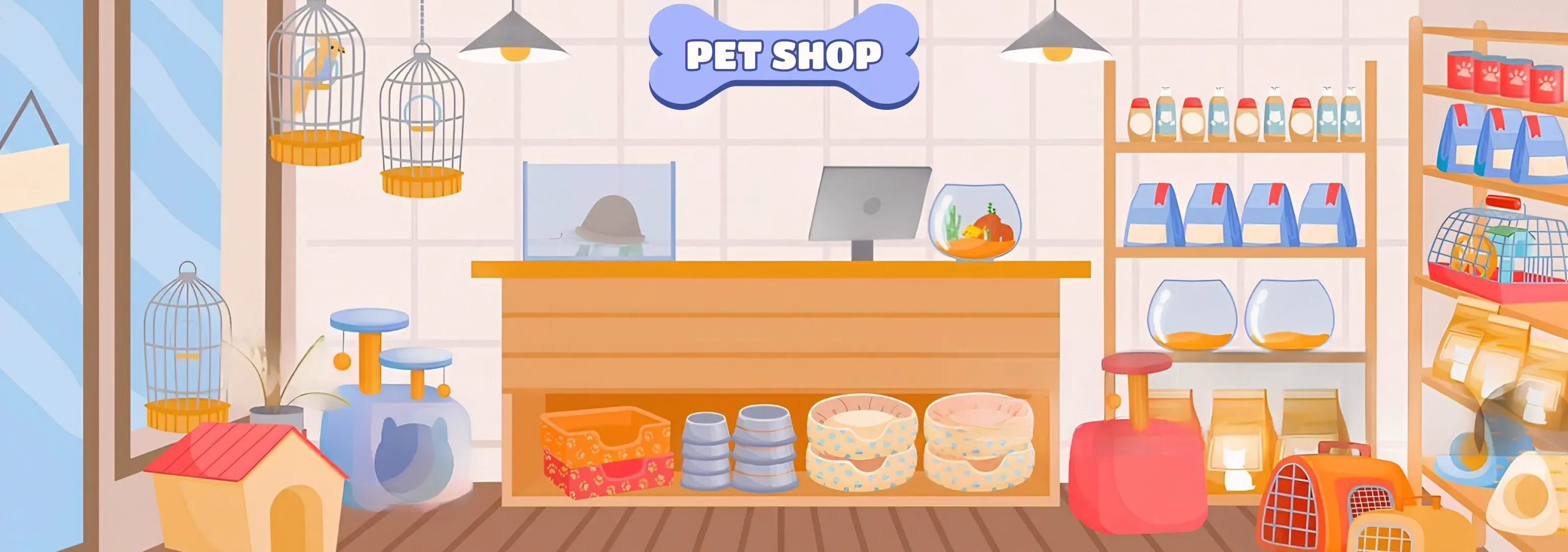
Walking into a well-designed pet store should be an immersive and enjoyable experience—filled with neatly organized products, engaging displays, and perhaps even the cheerful presence of furry companions. However, when a store's layout is disorganized or unintuitive, customers can quickly become frustrated, leading to abandoned purchases and lost sales opportunities.
For pet retailers, store layout is far more than just an aesthetic consideration; it is a fundamental driver of customer satisfaction, operational efficiency, and long-term profitability. A strategically planned layout guides shoppers effortlessly through the store, highlights high-margin products, and fosters an environment that encourages repeat visits.
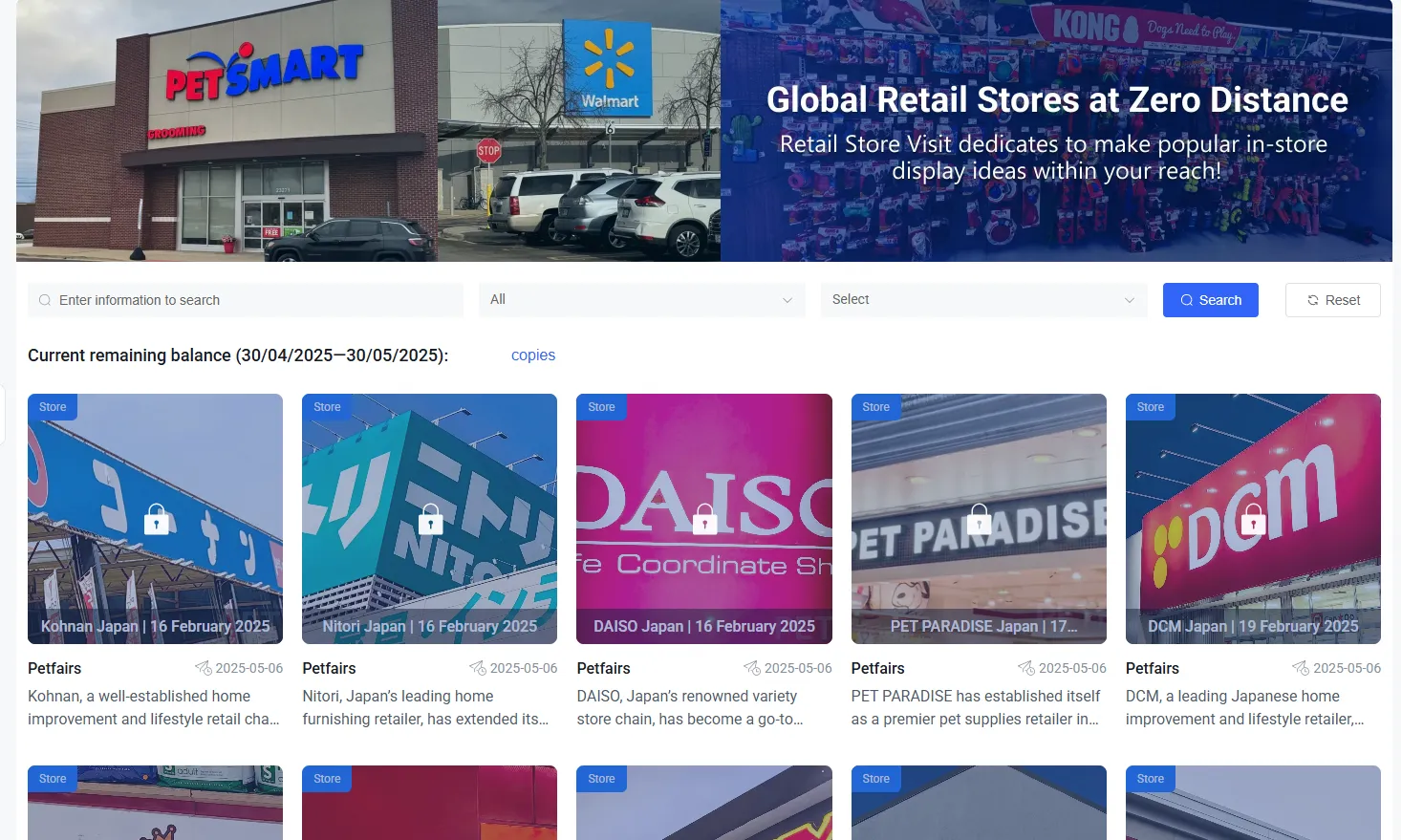
To achieve this level of optimization, retailers should adopt a data-driven approach, incorporating insights from industry leaders and consumer behavior studies. PetMarketData, a comprehensive pet supplies retail analytics platform, offers a Retail Store Visit module that enables businesses to analyze the in-store strategies of top-performing pet retailers worldwide. By studying layout configurations, product placement trends, and high-converting merchandising techniques, store owners can refine their own spaces to maximize engagement and sales.
This guide explores proven strategies for designing an effective pet store layout, focusing on:
- Prioritizing high-traffic zones and strategic product placement
- Creating a logical flow that enhances the shopping journey
- Leveraging seasonal trends and community engagement to boost sales
- Utilizing data analytics to make informed layout decisions
By implementing these best practices, pet retailers can transform their stores into inviting, high-performing retail environments that cater to both pets and their owners.
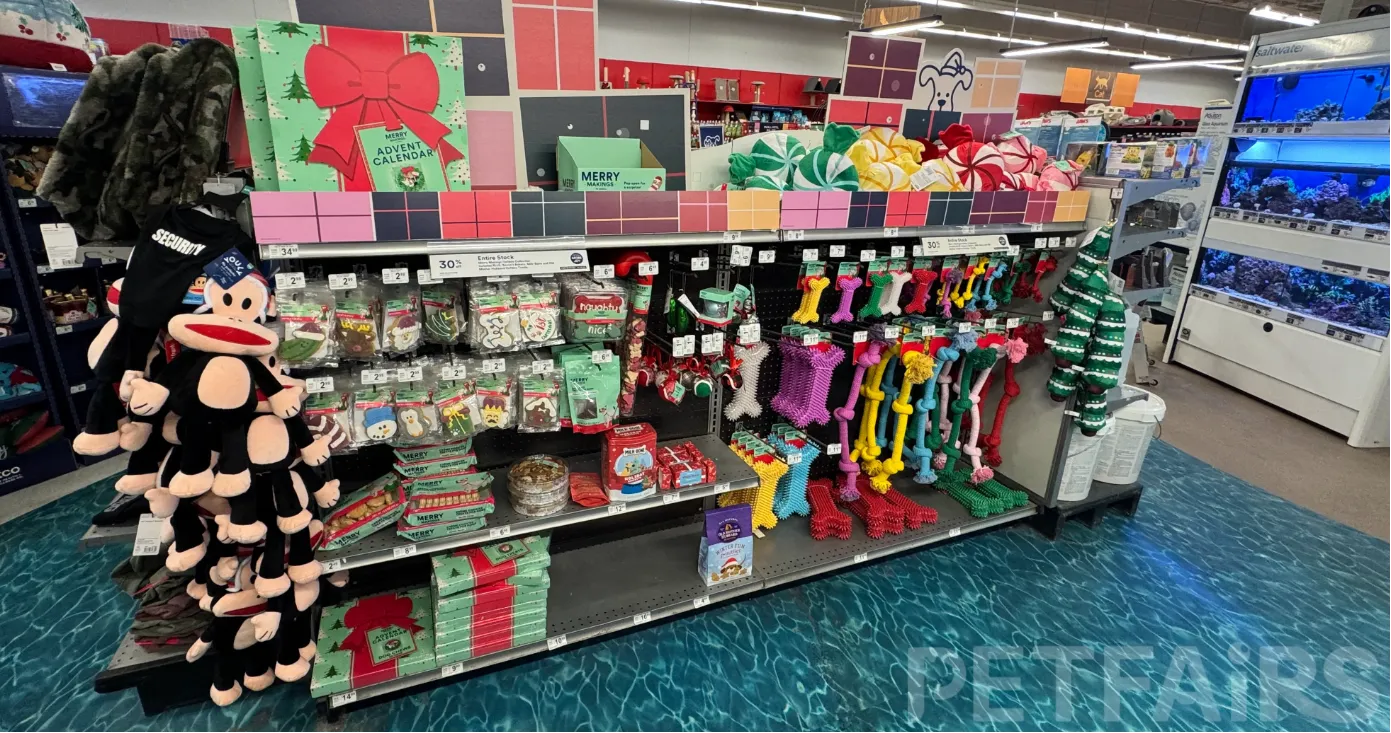
Strategic Prioritization: Designing a Layout That Maximizes Sales
An optimized pet store layout requires careful consideration of product placement, customer movement patterns, and merchandising psychology. Below are key strategies to ensure every square foot of retail space contributes to business success.
1. Understanding Customer Traffic Patterns
One of the most critical aspects of layout planning is identifying high-traffic areas within the store. These zones—typically near the entrance, checkout counters, and promotional displays—should feature high-demand products that capture immediate attention.
For instance, dog and cat supplies, which account for the majority of pet retail sales, should occupy prime real estate near the store's entrance. Retailers can further refine these placements by analyzing foot traffic data, either through observational studies or advanced analytics tools like PetMarketData's Retail Store Visit module, which provides insights into how customers navigate competing stores.
Additionally, retailers should consider their unique brand strengths and local market demands. A store specializing in exotic pets, for example, might prioritize reptile or avian supplies in prominent locations, while a boutique focusing on organic pet foods could highlight sustainable product lines at the forefront.
2. Capitalizing on Natural Shopping Behaviors
Research indicates that 70–90% of shoppers instinctively turn right upon entering a store. Retailers can leverage this tendency by positioning essential or high-margin products in this zone.
- Front-and-center placement: Premium pet foods, trending accessories, or new product launches should greet customers as they enter.
- Competitive differentiation: Conducting market research helps identify underserved niches, such as hypoallergenic pet foods, luxury grooming products, or tech-enabled pet gadgets. By analyzing competitors through PetMarketData, retailers can uncover gaps in their local market and adjust their layouts accordingly.
3. Creating a Cohesive and Intuitive Shopping Journey
A well-structured layout guides customers seamlessly from one product category to another, increasing the likelihood of cross-selling and impulse purchases.
For example:
- Grooming supplies should be positioned near wash stations (if applicable), encouraging customers to consider complementary products like shampoos, brushes, and nail clippers.
- Pet food aisles can be organized by life stage (puppy, adult, senior) and dietary needs (grain-free, weight management), with adjacent displays for bowls, feeders, and storage containers.
This logical flow not only enhances the shopping experience but also subtly encourages customers to explore more of the store, increasing average transaction values.
4. Highlighting Seasonal and Promotional Opportunities
Seasonal trends play a significant role in pet retail, with holidays and changing weather patterns driving purchasing behavior. Studies show that over 50% of pet owners buy gifts for their animals during festive seasons, making themed displays a powerful sales tool.
- End-cap displays: These high-visibility areas are ideal for seasonal promotions, such as Halloween costumes, winter pet apparel, or summer hydration products.
- Community engagement: Hosting in-store events like adoption drives or pet wellness workshops can attract foot traffic while providing valuable feedback on customer preferences.
- Trend awareness: Staying updated on emerging trends—such as eco-friendly pet products or smart pet tech—ensures that store layouts remain relevant and appealing.
5. Data-Driven Decision Making for Continuous Improvement
Retail success hinges on the ability to adapt to changing consumer behaviors and market conditions. Rather than relying on intuition alone, retailers should leverage data analytics to refine their layouts over time.
- Sales performance analysis: Identifying top-selling products and allocating optimal shelf space ensures high-demand items remain accessible. Tools like PetMarketData's Furry Insights module can help find best-selling products.
- Customer behavior insights: Tools like PetMarketData's Retail Store Visit module allow retailers to benchmark against industry leaders, adopting best practices in product placement and store design.
By integrating these strategies, pet retailers can create a layout that not only meets customer expectations but also drives consistent sales growth.
Six Essential Strategies for an Engaging and High-Converting Pet Store Layout
A successful pet store layout balances functionality with aesthetic appeal, creating an environment that delights customers while maximizing sales potential. Below are six key strategies to achieve this balance.
1. Crafting an Inviting Storefront That Draws Customers In
The exterior of a pet store sets the tone for the entire shopping experience. An attractive storefront should:
- Feature clear, bold signage that communicates the store's unique value proposition.
- Utilize window displays that showcase a mix of premium and everyday products, avoiding clutter while maintaining visual appeal.
- Incorporate pet-friendly elements, such as a water station or a small play area, to create an immediate connection with passersby.
2. Streamlining Interior Navigation for Effortless Shopping
Once inside, customers should be able to locate products quickly and intuitively. Effective interior organization includes:
- Overhead signage that clearly labels sections (e.g., "Dog Supplies," "Cat Care," "Small Pets").
- Subcategorized aisles, such as organizing dog food by life stage, breed size, or dietary requirements.
- Wide, unobstructed pathways to accommodate shoppers with carts or those accompanied by pets.
3. Strategic Product Placement to Drive Impulse Purchases
Merchandising psychology plays a crucial role in influencing buying decisions. Retailers can optimize product placement by:
- Utilizing end-cap displays for seasonal items or limited-time promotions.
- Positioning high-margin products at eye level to increase visibility.
- Grouping related items together (e.g., leashes near collars, aquarium supplies near fish tanks) to encourage bundled purchases.
4. Enhancing Brand Identity Through Thoughtful Design
A cohesive and inviting atmosphere reinforces brand loyalty. Key branding elements include:
- A consistent color scheme and logo application across all store elements.
- Themed decor that aligns with the store's personality, such as playful murals in the pet toy section or calming tones in grooming areas.
- Interactive features, like a "selfie station" for pets and owners, to create memorable experiences.
5. Optimizing the Checkout Zone for Last-Minute Sales
The checkout area is a prime location for impulse buys. Retailers can maximize this opportunity by:
- Displaying small, high-margin items like treats, toys, or travel accessories near registers.
- Ensuring a clutter-free, efficient checkout process to minimize wait times.
- Incorporating digital payment options for added convenience.
6. Bridging the Gap Between Physical and Digital Shopping
Modern consumers expect seamless omnichannel experiences. Retailers can meet these expectations by:
- Installing in-store kiosks where customers can access product details or place online orders.
- Offering click-and-collect services to integrate e-commerce with brick-and-mortar sales.
- Using PetMarketData's analytics to track cross-channel shopping behaviors and refine in-store strategies accordingly.
Building a Layout That Fosters Loyalty and Growth
Designing an effective pet store layout is a dynamic process that requires ongoing evaluation and adaptation. By prioritizing high-traffic zones, leveraging customer behavior insights, and staying attuned to seasonal trends, retailers can create a shopping environment that resonates with pet owners and drives sustained profitability.
For retailers seeking a competitive edge, PetMarketData's Retail Store Visit module offers invaluable insights into global best practices, enabling businesses to benchmark their layouts against industry leaders. Whether optimizing an existing store or launching a new location, these strategies provide a roadmap for creating a pet retail space that is both functional and inviting.
Ultimately, a well-planned store layout is more than just an operational necessity—it is a powerful tool for building customer trust, enhancing brand loyalty, and ensuring long-term success in the thriving pet retail industry. And PetMarketData can help transform your retail strategy!
From Scattered Data to Smart Choices: PetMarketData Transforms Pet Retail
For years, pet retailers have faced challenges in inventory and pricing decisions due to inconsistent, scattered data. PetMarketData by Petfairs revolutionizes the industry by unifying online and offline retail intelligence seamlessly. Experience the power of data-driven decision-making—where insights fuel smarter strategies.
Key Features:
- Furry Insights: Get real-time analytics from Amazon and other leading platforms. Monitor price trends, product rankings, and emerging demand—turning raw data into competitive advantages.
- Retail Store Visit: Study top global pet retailers' strategies, from store layouts to high-performing displays that drive customer loyalty.
In today's fast-evolving pet market, intuition alone won't cut it. PetMarketData is more than a tool—it's your edge, replacing uncertainty with precision so you can act faster, reduce risks, and maximize profits.
Ready to trade guesswork for game-changing insights? Try a free 7-day trial today and lead the future of pet retail with confidence! In an insight-driven world, see what's next—and stay ahead!



 Popular Blogs