

A Beginner’s Guide for New Pet Retailers Buying Products to Resell
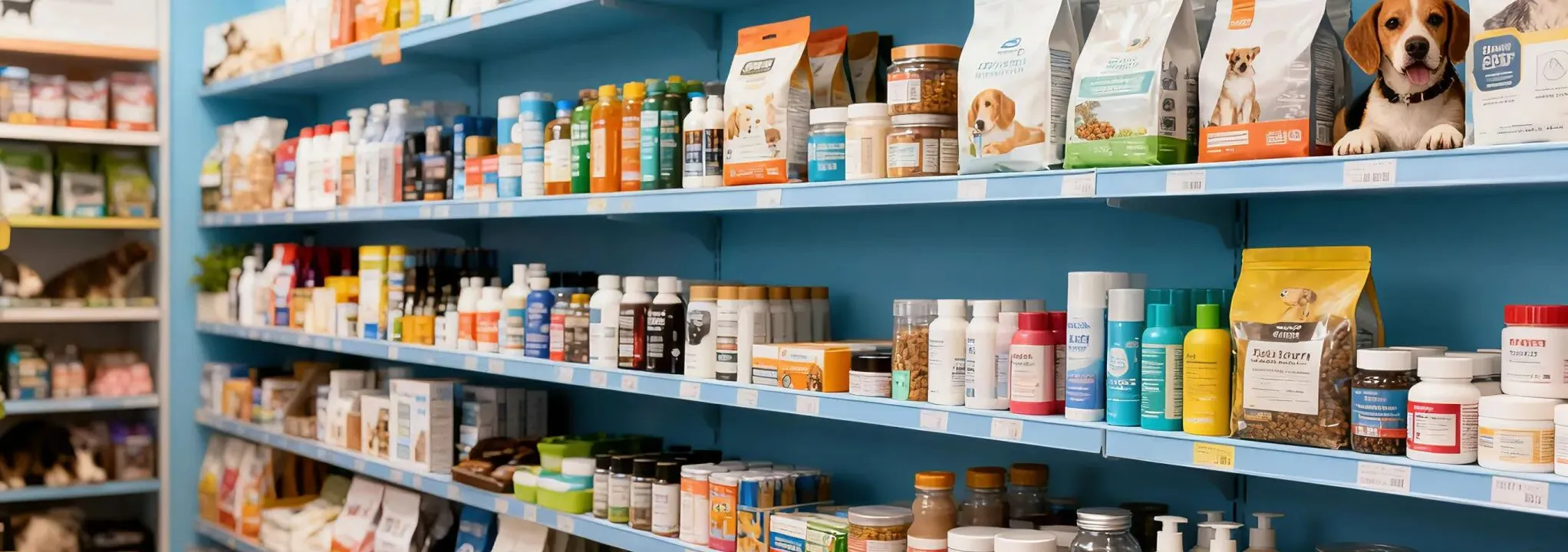
Starting a new pet store is exciting — but when it comes to choosing what products to stock, most new retailers quickly find themselves overwhelmed. There are thousands of SKUs on the market, prices and MOQs vary wildly, and one wrong purchasing decision can tie up your cash flow for months.
This beginner-friendly guide will help you understand how reselling works, what to buy first, where to source products, and how to build a safe, profitable inventory strategy for your new store.
1. What Does “Resell” Mean?
Reselling simply means buying products at a wholesale price and selling them at a higher retail price to earn profit.
For pet retailers, this covers everything from toys and treats to grooming supplies and litter accessories.
The better your sourcing decisions, the more stable your margins and customer satisfaction will be.
2. What Is Wholesale?
Wholesale refers to the business model where suppliers sell products in larger quantities at lower prices.
Pet retailers buy these items in bulk, then resell them individually.
Not all wholesalers are the same — some require large MOQ (minimum order quantity), while others (such as online sourcing platforms like Petfairs) let new retailers start small with low-risk, low-MOQ purchasing.
3. Why New Pet Retailers Need a Clear “Buying Logic”
Many new store owners fail not because of low foot traffic—but because of poor product selection and heavy inventory pressure.
A buying logic helps you avoid:
- Being overwhelmed by too many product options
- Getting stuck with high MOQs that drain your budget
- Stocking low-margin or slow-moving products
- Accumulating unsellable inventory
Good product selection = stable cash flow + happy customers + steady store growth
The right buying logic will keep your store flexible, profitable, and free from unnecessary inventory stress.
4. What to Prepare Before Buying Inventory (Positioning + Customers + Budget)
Before placing your first order, you need clarity on three things:
1) Who are your customers?
- Dog owners? Cat owners?
- Puppy or kitten families?
- Budget-conscious shoppers or premium buyers?
- What type of pets are common in your area?
Your target customers directly shape your product range.
2) How to structure your product categories
New stores should start with core essentials:
- Toys
- Grooming
- Feeding supplies
- Collars & leashes
- Cat litter accessories
- Bedding
Add specialty or premium items later.
3) How to allocate your budget
Avoid spending everything upfront.
Suggested structure:
- 30% for initial testing
- 50% for restocking fast-moving items
- 20% for new trial items or seasonal products
4) Adopt a “light inventory” strategy
This means: smaller orders, frequent replenishment, flexible adjustments.
Perfect for beginners.
5. Must-Have Product Categories for New Retailers (Low Risk, High Turnover)
New retailers should always begin with categories that sell fast and have stable demand:
• Dog & Cat Toys
High turnover; impulse purchases; easy to sell.
• Grooming Supplies
Strong repeat purchase demand.
• Bowls and Water Dispensers
Every pet owner needs them; low risk.
• Collars, Leashes & Harnesses
Staple items for dog owners.
• Cat Litter Accessories
Stable demand all year round.
• Beds & Mats (Small Quantities)
Popular but take up space—start small.
Why start with these?
These items are safe bets—steady demand, low risk of being stuck with inventory, and high customer acceptance.
6. How to Know Which Products Are Right for Your Store (Simple Selection Logic)
Here’s a simple, beginner-friendly evaluation logic:
- Check material safety (silicone, TPR, TC fabric, food-grade plastics)
- Look at packaging and shelf appeal
- Follow market trends like interactive toys or indestructible toys
- Start with small quantities and collect customer feedback
- Avoid large or bulky products — they carry higher stock risk
Even without industry experience, these steps help you avoid 80% of beginner mistakes.
7. Buying Channels for New Pet Retailers (With Pros & Cons)
| Buying Channel | Pros | Cons |
|---|---|---|
| Local Wholesalers | Fast, can check quality in person | Higher prices, limited variety |
| Pet Trade Shows | Lots of new products, supplier interaction | Costly, time-consuming, not frequent |
| Cross-border / Factories | Best pricing | High MOQ, long lead times |
| Online sourcing platforms (like Petfairs) | Low MOQ, fast shipping, wide selection | Must compare suppliers carefully |
Petfairs platforms with small MOQs are especially suitable for new retailers who want to test products without heavy risk.
8. How to Avoid Overstocking (The #1 New Retailer Fear)
Overstocking is the #1 reason new stores run into cash flow problems.
To avoid it:
- Don’t start with 100+ SKUs
- Use a “small batch + frequent replenishment” approach
- Track sales every 7–14 days
- Build a list of your top sellers and keep them stocked
- Avoid too many seasonal items (Christmas, Halloween, etc.)
Small and smart is better than big and risky.
9. Common Buying Mistakes New Retailers Should Avoid
Avoid these typical beginner errors:
- Buying what’s trending online without checking actual customer demand
- Ordering too many SKUs at once
- Choosing the lowest price supplier without checking quality
- Ignoring safety certifications
- Not doing small-scale testing before full-scale stocking
A little caution early saves a lot of trouble later.
10. How to Improve the Success Rate of Your First Inventory Purchase
A good first order should include:
- 10–20 SKUs that cover essential needs
- A focus on fast-moving items
- A product display that looks “rich but not messy”
- Simple opening promotions such as “Buy 2 Get 1” to boost early sales
You don’t need hundreds of products — you just need the right ones.
11. Five “Low-Risk Starter Packs” for New Retailers
These bundles are perfect for new stores and ideal for platforms like Petfairs:
- Interactive Dog Toy Starter Pack
- Cat Toy Essentials Pack
- Pet Grooming Starter Pack
- Dog Outdoor Essentials Pack
- All-in-one Bestseller Pack
Platforms like Petfairs often offer curated sets that save time and reduce selection pressure.
12. How to Use Data to Guide Your Buying Decisions
Data makes your purchasing smarter:
- TikTok trending pet products
- Amazon Best Sellers ranking
- Petfairs PetMarketData
- Feedback from your first 10–20 customers
Good selection isn’t guesswork — it’s data-driven.
13. What to Consider When Choosing Suppliers
Reliable suppliers help your store grow. Check for:
- Fast shipping
- Small-quantity replenishment options
- Consistent product quality and after-sales support
- Proper certificates (especially for toys and electronics)
- Ability to recommend trending products
These elements reduce your risk significantly.
14. Where Should a New Pet Retailer Start? (Your Action Plan)
Here’s a simple roadmap:
- Select 20–30 basic SKUs
- Choose 3–5 stable models for each key category
- Use a low-MOQ platform like Petfairs to test your assortment
- Restock quickly based on early performance
- Identify and focus on your store’s signature products
Start small, move fast, and learn from real customer behavior.
Conclusion: Start Smart, Start Small — and Choose the Right Partner
Building your first pet store inventory doesn’t have to be overwhelming. With the right buying logic, a clear product structure, and a low-risk sourcing strategy, even brand-new retailers can create a profitable, fast-moving assortment that keeps customers coming back.
And this is exactly where Petfairs becomes a powerful partner for new pet retailers.
Why New Retailers Choose Petfairs
Petfairs is designed specifically to make sourcing easier, safer, and more affordable for small and growing pet stores:
- Low MOQ starting from just 1 carton — perfect for testing new SKUs without pressure.
- Ready-to-ship inventory from U.S. an China warehouses — fast delivery, no long waits.
- Factory-direct pricing — keep your margins healthy from day one.
- Curated product collections such as starter packs, trending picks, and category essentials — ideal for new retailers who need guidance.
- Verified suppliers & quality control — reduce the risk of bad products or unreliable shipping.
- All major pet categories in one place — toys, grooming, accessories, feeding, beds, and more.
For new pet retailers, Petfairs provides the flexibility to start small, experiment confidently, and scale with data, without locking up large amounts of capital in inventory.


 Popular Blogs