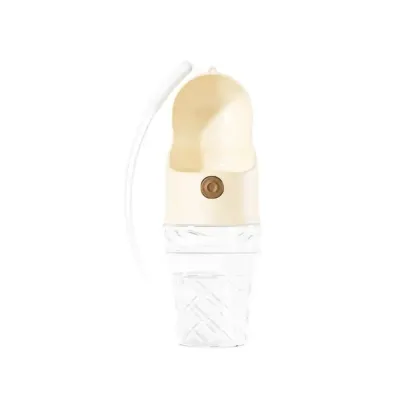

10 Best Dog Water Bottles on Amazon for Travel in 2026
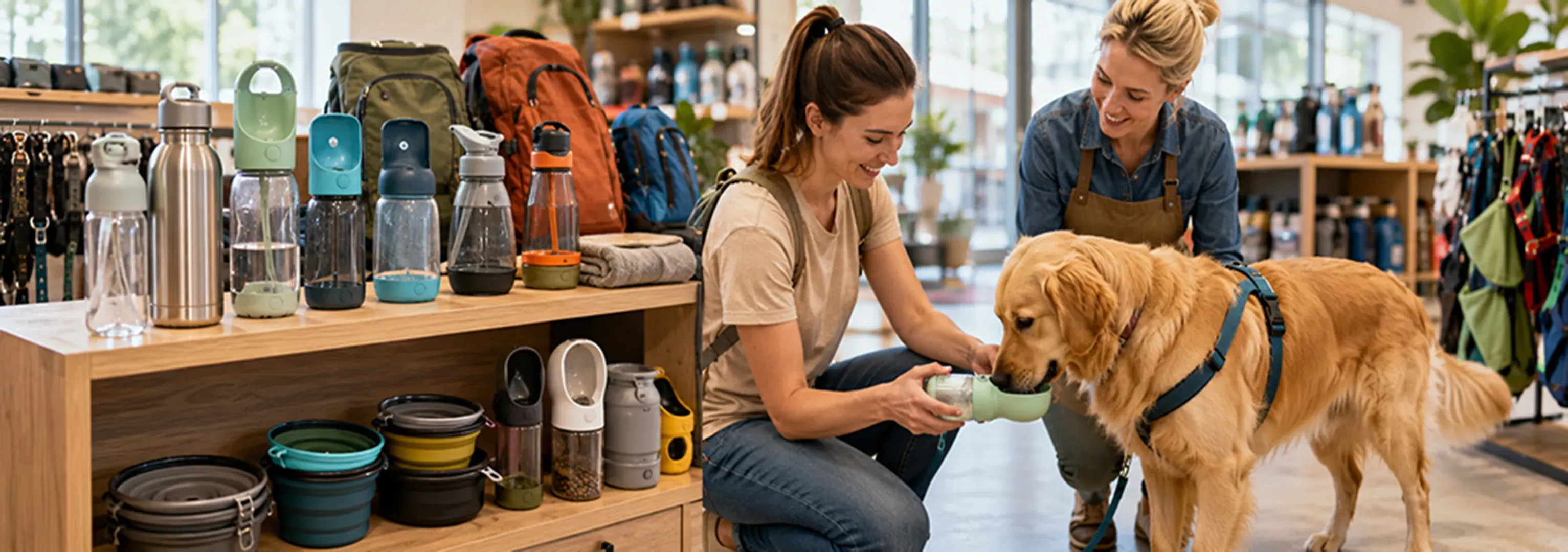
Yes, you should give your dog water after a walk. A healthy, alert dog can drink as soon as the walk ends, and there is no universal rule requiring owners to wait for a fixed number of minutes. The safer approach is to let the dog rest in a cool area and offer fresh water in small, manageable amounts rather than encouraging one very large drink followed by more vigorous activity.
During intense exercise, VCA Animal Hospitals recommends offering dogs small sips of water every 15 to 20 minutes. VCA also explains that frequent, smaller drinks are preferable to letting an active dog “tank up” all at once, particularly if the dog will immediately return to strenuous activity.
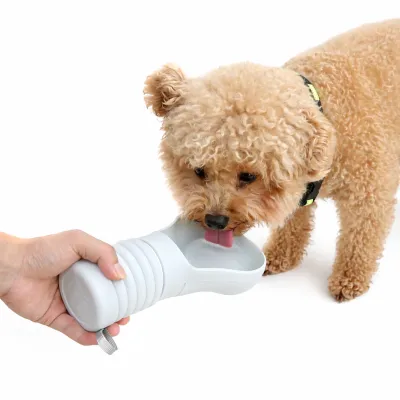
This practical need explains why the portable dog water bottle has moved beyond being a novelty travel accessory. It combines a water container and drinking bowl in one product, allowing an owner to offer water during walks, training sessions, road trips, hikes and outdoor events without carrying a full-sized bowl.
The lifestyle behind this category is substantial. APPA reports that 53% of dog owners take their dogs on foot for daily errands at least once a week. Among owners who travel with their dogs, 87% reported traveling by car and 74% reported traveling by plane.
In our view, this reflects a wider change in pet ownership. Owners are increasingly attentive to comfort, hydration and safety instead of treating outdoor accessories as optional extras. A useful water bottle for dogs therefore needs to be portable enough to carry, simple enough to operate while holding a leash and practical enough to clean and refill repeatedly.
For pet businesses, the demand is not limited to summer. Hot weather increases urgency, but dogs still need water during training, grooming appointments, boarding, car travel, park visits and routine walks throughout the year. Portable hydration is therefore a dependable, year-round category for pet boutiques, groomers, dog trainers, online sellers, boarding facilities, shelters and independent retailers.
Quick Answers About Dogs Drinking After Walks
| Question | Evidence-based answer |
| Should I give my dog water after a walk? | Yes. Offer fresh water when the dog finishes the walk and is alert enough to drink normally. |
| How long after a walk can a dog drink water? | There is no standard waiting period for a healthy dog. Begin with small portions, especially after strenuous exercise. |
| Can dogs drink water while still panting? | Yes, but provide small amounts while allowing the dog to rest and cool down. |
| What if my dog drinks too quickly? | Pause between portions and do not immediately restart vigorous exercise. |
| What if my dog appears overheated? | Move the dog to a cool area, contact a veterinarian and offer small amounts of cool—not ice-cold—water if the dog is alert. |
| Can dogs drink bottled water? | Plain bottled water that is safe for people is generally a reasonable travel option for healthy dogs. Avoid flavored, sweetened or caffeinated drinks. These answers apply to generally healthy dogs. Dogs with heart disease, kidney disease, diabetes, gastrointestinal problems or veterinarian-directed fluid restrictions may have different needs. |
Why Portable Dog Hydration Is a Growing Product Category
The U.S. pet market remains large even as owners become more selective about spending. APPA reports that U.S. pet industry expenditures reached approximately $158 billion in 2025, an increase of 3.7%, and projects the market to reach $165 billion in 2026. APPA also estimates that 95 million U.S. households owned at least one pet in 2025 and that dogs were present in 53% of U.S. households.
This does not mean every pet product will grow equally. Products with a clear everyday function are more defensible when household budgets are under pressure. A dog owner may postpone a decorative item, but water remains necessary whenever the dog leaves home for an extended period.
That is why portable hydration fits naturally within searches for trending dog products spring 2026. It benefits from seasonal interest in warmer weather, camping and hiking, but it also has enough daily utility to remain relevant after a seasonal campaign ends.
Amazon search data provides additional evidence of this commercial demand. ASInsight analyzed 141 products appearing for the phrase “portable water bottle for dogs” in July 2026. Its third-party estimates placed the top 10 products at an average of approximately 3,200 monthly sales, with an average price of $12.89 and an average customer rating of 4.6 out of 5.
These are third-party estimates rather than audited Amazon sales figures, so they should be used as directional market evidence rather than guaranteed unit counts.
Amazon Market Snapshot: Portable Water Bottles for Dogs
| Market indicator | July 2026 estimate |
| Products tracked | 141 |
| Estimated average monthly sales among top 10 | 3,200 units |
| Average price among top 10 | $12.89 |
| Average rating among top 10 | 4.6/5 |
| Approximate weekly searches for the exact phrase | 688 |
| Click share captured by the top three products | 36.90% |
| Conversion share captured by the top three products | 18.60% Source: ASInsight’s July 2026 Amazon U.S. keyword report for “portable water bottle for dogs.” The top-three products captured more than one-third of recorded clicks but less than one-fifth of conversions. One reasonable interpretation is that shoppers inspect recognizable products first but continue comparing capacity, price and design before purchasing. That creates room for independent retailers and specialist pet businesses to compete through clearer product education. Instead of selling a generic “dog bottle,” a retailer can explain whether a product is designed for a 20-minute neighborhood walk, a large dog, a road trip or several hours of hiking. |
The Most Competitive Retail Price Range
The July 2026 ASInsight data indicates that the middle of the category remains the most crowded. Approximately 47% of tracked listings were positioned between $10 and $20, while about 23% were below $10 and 30% were between $20 and $50.
Estimated Amazon Price Distribution
Under $10 23% ████████████
$10–$20 47% ████████████████████████
$20–$50 30% ████████
This pricing structure creates three recognizable retail tiers.
Entry products under $10 are usually smaller plastic bottles, simple foldable models or highly price-competitive marketplace listings. They are appropriate for puppies, small dogs, short walks and checkout-area promotions.
Core products from $10 to $20 usually add a locking button, a larger drinking trough, unused-water return or a food container. This is the strongest mass-market range because the product still feels affordable while solving several obvious problems.
Premium products above $20 are more likely to feature stainless steel, insulation, larger capacity, stronger branding or an original squeeze-bowl design. These products are better suited to outdoor stores, premium boutiques and customers with large dogs.
How We Selected These 10 Dog Water Bottles
Amazon rankings change continuously. Product colors, sizes and variations may also occupy separate positions, while some search results mix actual dog bottles with collapsible bowls, cage bottles and home gravity dispensers.
For that reason, the following list should be understood as an editorial comparison of 10 highly visible, best-selling or category-relevant products—not as a permanent claim that the products will remain in the exact same order.
The selection considers:
- visibility in Amazon’s Dog Water Bottles category;
- July 2026 third-party Amazon demand estimates;
- product capacity and drinking mechanism;
- price positioning;
- suitability for common walking and travel scenarios;
- ease of carrying, dispensing and cleaning;
- usefulness as a reference for pet retail sourcing.
A Google-indexed snapshot of Amazon’s Dog Water Bottles category included Cibaabo, Kalimdor, MalsiPree, SOICTA, lesotc, PupFlask, WePet, Gorilla Grip and the bottle formerly sold under the Springer name among its leading listings.
10 Popular and Best-Selling Dog Water Bottles on Amazon
Complete Product Comparison
| No. | Product | Capacity | Main design | Approx. listed price* | Best suited to | Retail insight |
| 1 | Cibaabo Dog Water Bottle with Food Container | 10 or 19 oz | Button-operated trough plus food compartment | $13.98 | Training, walks and day trips | Added storage increases perceived value |
| 2 | Kalimdor Dog Water Bottle | 19 oz | One-button dispensing and unused-water return | $12.99 | Everyday walks and car travel | Strong core price and simple function |
| 3 | MalsiPree Portable Dog Water Bottle | 12 or 19 oz | Locking button, trough and return flow | $19.99 | Driving and one-handed use | Tested design with clear convenience story |
| 4 | SOICTA Portable Dog Water Bottle | 12 or 19 oz | Foldable drinking trough and leak lock | $9.98 | Short walks and value buyers | Entry pricing supports impulse purchase |
| 5 | lesotc Squeeze Dog Water Bottle | Around 18 oz | Squeeze bottle with foldable bowl | $16.99 | Hiking, camping and parks | Wide drinking area can suit more dogs |
| 6 | PupFlask Large Dog Water Bottle | 27 or 40 oz | Stainless steel bottle and reversible silicone bowl | $27.96 | Large dogs and longer outings | Premium capacity and material |
| 7 | WePet Portable Dog Water Bottle | 12 oz | Button-operated drinking trough | $8.50 | Puppies and short neighborhood walks | Affordable introductory product |
| 8 | Gorilla Grip Dog Water Bottle | 20 oz | Squeeze bottle with integrated silicone bowl | $13.99 | Walking and camping | Simple mechanism without a complex valve |
| 9 | Cibaabo 3-in-1 Dog Water Bottle | 12 or 20 oz | Water, food storage and waste-bag holder | $16.98 | Training and all-in-one travel kits | Multiple functions support gifting |
| 10 | Springland Original Travel Dog Water Bottle | 22 oz | Squeeze-to-fill integrated bowl | $24.99 | Design-conscious owners and travel | Recognizable patented-style format *Prices shown are reference prices visible in the indexed product-category snapshot and may change by color, size, promotion and date. |
Cibaabo Dog Water Bottle with Food Container
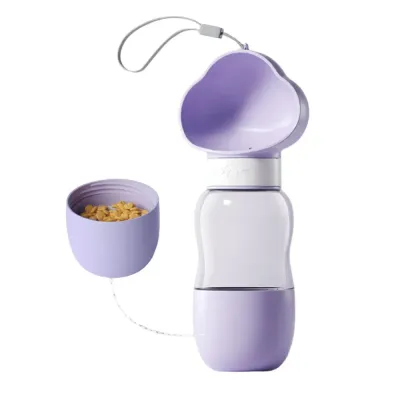
The Cibaabo model combines a portable water bottle, curved drinking trough and removable food compartment. This makes it relevant to owners who carry treats during training or need a small amount of food during a day trip.
Its strongest selling point is not simply that it holds water. It reduces the number of separate items an owner needs to pack. For a trainer or new pet owner, that is a clear and easy-to-demonstrate advantage.
The limitation is cleaning complexity. Every extra compartment adds seams, threads and contact surfaces. Retailers should check whether the food compartment can be removed and dried independently before selecting a similar wholesale product.
ASInsight placed Cibaabo among the strongest performers in multiple July 2026 portable dog bottle searches, with some keyword reports estimating approximately 4,000 to 5,000 monthly sales. These estimates are directional rather than Amazon-confirmed.
Kalimdor Dog Water Bottle
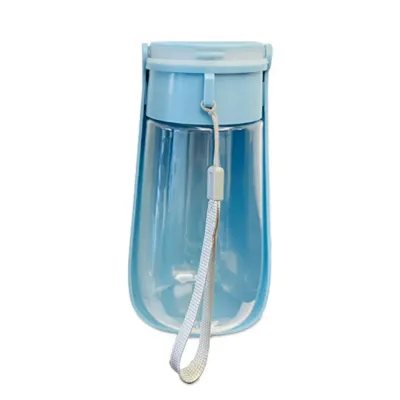
The Kalimdor 19-ounce model represents the most common dog bottle bowl structure on Amazon: a rigid bottle, elongated drinking trough, one-button release and unused-water return.
This design answers four problems at the same time. The owner does not need a separate bowl, can operate the bottle with one hand, can lock the valve during transport and can return some unused water to the reservoir.
Kalimdor’s $12.99 reference price places it near the center of the category’s most competitive retail range. ASInsight estimated approximately 4,000 to 5,000 monthly sales for the product across related July 2026 keyword datasets.
For wholesalers, this is an important baseline design. Any new push-button product should improve at least one meaningful detail, such as the seal, wrist strap, drinking-trough width, bottle transparency or ability to clean around the valve.
MalsiPree Portable Dog Water Bottle
MalsiPree uses a similar push-button system but has gained visibility through its strong focus on one-handed use and car travel. The bottle is available in 12-ounce and 19-ounce versions, making it easier to match different trip lengths.
In practical testing, The Spruce Pets highlighted that the bottle could be used with one hand, fit in a car cup holder and return unused water to the bottle. Its testers also noted that the smaller version was best suited to small dogs or very short trips.
That distinction matters. Capacity is not just a product specification; it determines whether a customer is satisfied after the first outing. A 12-ounce product may feel impressively compact in a store but disappoint someone shopping for a large dog or a long hike.
SOICTA Portable Dog Water Bottle
SOICTA combines a bottle with a drinking trough that folds against the body when not in use. This structure reduces the visible length of the product and can make it easier to place in a small bag.
The approximately $9.98 reference price makes it an entry-level alternative to more expensive push-button products. ASInsight estimated around 4,000 monthly sales in one July 2026 portable-bottle report.
For retail merchandising, this type of product works well as a low-risk add-on next to leashes, waste bags and travel bowls. However, the folding joint should be tested repeatedly because it is also a potential long-term wear point.
lesotc Squeeze Dog Water Bottle
The lesotc bottle uses a squeeze mechanism rather than relying only on a button-operated valve. Water moves into an attached bowl when the user squeezes the bottle, giving the dog a relatively open drinking surface.
This format can be easier for dogs that are hesitant to place their muzzle into a narrow plastic trough. It also visually demonstrates how the product works, which is useful in short-form videos and physical retail displays.
Current Chewy listings show lesotc bottles in several capacities, including an 18-ounce outdoor squeeze model and larger 28-ounce and 34-ounce travel versions.
The trade-off is that squeezable bottles need dependable recovery and sealing. A bottle that is too rigid is difficult to operate, while one that is too soft may deform inside a packed travel bag.
PupFlask Large Dog Water Bottle
PupFlask occupies the premium end of the Amazon comparison through a stainless steel bottle and wide silicone drinking attachment. Its 27-ounce and 40-ounce options distinguish it from many 12-ounce and 19-ounce plastic competitors.
This makes it a stronger candidate for large dogs, longer walks and customers who prioritize capacity over minimum weight. Stainless steel also creates a more premium visual impression and may address customers who prefer to reduce repeated use of plastic drinking containers.
The disadvantage is weight. A large stainless steel dog hiking water bottle becomes noticeably heavier when full, so shoulder straps, bottle holders and backpack compatibility become more important.
For retailers, PupFlask demonstrates that the category can support premium pricing when capacity, material and visual differentiation are obvious.
WePet Portable Dog Water Bottle
The WePet 12-ounce model is a compact push-button product designed for short walks, puppies and small dogs. Its reference price of approximately $8.50 makes it one of the lower-priced bottles in the Amazon category snapshot.
This product illustrates an important retail lesson: smaller capacity can be a feature when the use case is clearly explained. A lightweight bottle is convenient for a 20-minute neighborhood walk even though it would not be suitable for several hours outdoors.
Retail descriptions should therefore avoid vague language such as “perfect for every adventure.” A more useful message would say “compact hydration for short daily walks, puppy outings and quick car trips.”
Gorilla Grip Dog Water Bottle
Gorilla Grip uses a squeeze-style bottle with an integrated silicone drinking bowl. This reduces the number of small mechanical parts associated with some push-button systems and makes water delivery easy to understand.
At around 20 ounces, the capacity sits in the center of the everyday travel range. The format can work for walking, camping, parks and rest stops without becoming as bulky as a 40-ounce stainless steel bottle.
Retailers evaluating similar products should test the twist lock and silicone bowl after repeated use. A good first demonstration is not enough; the product must still seal after hundreds of opening, squeezing and drying cycles.
Cibaabo 3-in-1 Dog Water Bottle
The 3-in-1 Cibaabo model adds a waste-bag holder to the combined water and food format. This targets owners who want one object to cover hydration, treats and cleanup during a walk.
The retail advantage is immediate perceived utility. Customers can understand the entire use case from one product image, making it suitable for gift guides, new-puppy collections and travel bundles.
The sourcing risk is also immediate: more parts create more opportunities for loose lids, poorly fitting waste-bag rolls, food contamination and incomplete drying. A responsible wholesale buyer should evaluate each function separately rather than accepting a general “3-in-1” claim.
Springland Original Travel Dog Water Bottle
Many shoppers still search for a Springer dog water bottle, but the brand now operates as Springland. Its official website describes the 22-ounce Original Travel Dog Water Bottle as the product formerly known as the Springer Dog Travel Water Bottle.
The bottle uses a squeeze-to-fill design with a drinking bowl integrated around the top. The unused water can move back into the bottle when pressure is released, reducing the need to pour water onto the ground.
At approximately $24.99, it competes as a design-led premium product rather than a low-price marketplace bottle. Chewy currently lists the Springland 22-ounce travel bottle at that price alongside other travel hydration products.
For product development, the lesson is not to copy the exterior appearance. The more durable competitive advantage is an intuitive drinking mechanism that customers can understand without reading a long instruction manual.
What the Amazon Best Sellers Have in Common
The Bottle and Bowl Are Combined
A conventional travel setup requires a human water bottle and a separate collapsible bowl. A portable dog bottle turns those two components into one product.
That reduces packing steps and makes it more likely that the owner will actually carry water on an ordinary walk. Convenience changes behavior only when the product is easy enough to become part of the daily routine.
One-Handed Operation Matters More Than Feature Count
During a walk, an owner may already be holding a leash, phone, training treats and waste bags. A bottle that requires two hands can become frustrating even when its material and capacity look impressive.
Push-button and squeeze designs perform well because they address this physical situation directly. The most successful design is not necessarily the one with the most functions; it is often the one that can be opened, filled and closed without losing control of the dog.
Returning Unused Water Reduces Waste
Dogs do not always finish the amount poured into a travel bowl. On a short walk, wasting a few ounces may not matter. During a long hike or in an area without a refill point, it can become a significant problem.
Return-flow systems let owners move some unused water from the drinking trough back into the bottle. This feature has become one of the category’s clearest points of differentiation.
Return flow should not replace cleaning. Once a dog has drunk from the trough, saliva can enter the remaining water. The bottle and valve still need regular washing, particularly after warm-weather use.
Capacity Usually Ranges From 12 to 40 Ounces
Capacity is one of the most important purchasing criteria because the ideal amount changes with the dog, temperature, activity level and availability of refill points.
Practical Capacity Guide
| Scenario | Useful product range | Why |
| Short neighborhood walk | 12–16 oz | Low carrying weight and easy one-hand use |
| Park or training session | 18–22 oz | Better balance between capacity and portability |
| Road trip with refill stops | 19–25 oz | Fits many cup holders and covers rest breaks |
| Moderate hike | 22–27 oz | More reserve without the weight of the largest bottles |
| Large dog or longer outing | 27–40 oz | Larger drinking requirement and fewer refill points |
| Multiple dogs | 40 oz or more | Shared reserve, often better with separate bowls These are product-selection ranges rather than veterinary prescriptions. An individual dog’s requirements may be higher or lower. VCA notes that active dogs lose water through panting and that dogs working in warm conditions may need substantially more water than they would under normal conditions. Its guidance emphasizes making fresh water available and providing frequent small amounts during intense activity. |
Leak Resistance Is a Core Requirement
A leaking travel bottle does more than waste water. It can soak treats, phones, documents and other products inside a customer’s bag.
Retailers should therefore treat “leak proof” as a testable performance requirement, not just marketing copy. The lock, valve, cap thread, silicone gasket and bottle body should be tested together when full, inverted and carried horizontally.
Should I Give My Dog Water After a Walk?
Yes. A healthy dog should have access to fresh water after a walk. There is no evidence-based rule requiring every dog to wait 10, 20 or 30 minutes before drinking.
The misunderstanding usually comes from a different concern: allowing a dog to swallow an extremely large volume and then immediately resume intense running may be unwise. VCA recommends frequent small amounts during activity and warns against filling the stomach with a large drink before returning to vigorous exercise.
That means the answer to “how long after a walk can a dog drink water?” is normally “immediately, in controlled portions,” not “after a mandatory waiting period.”
A Practical Post-Walk Hydration Routine
- End the walk in a shaded, ventilated or air-conditioned area.
- Allow the dog to slow down instead of encouraging more running or play.
- Offer a small amount of fresh water.
- Let the dog pause, breathe and settle.
- Offer more water as needed rather than forcing the dog to finish a large bowl.
- Continue observing breathing, coordination, energy level and gum color.
If a dog is excessively panting, drooling heavily, vomiting, stumbling, weak or collapsing, this is no longer a normal post-walk thirst question. AAHA identifies these as possible heatstroke signs and advises moving the pet to a cool area and contacting a veterinarian immediately. If the pet is alert, small amounts of cool—not cold—water may be offered.
AAHA also recommends avoiding strenuous outdoor activity during dangerous heat, providing shade and water, taking frequent breaks and using additional caution when temperatures exceed 80°F or humidity is high.
A portable bottle is therefore a preventive tool, not permission to exercise a dog for too long in unsafe conditions.
Can Dogs Drink Bottled Water?
For most healthy dogs, plain bottled water that is safe for human consumption is generally a reasonable travel option when fresh tap water is unavailable or the local water supply is uncertain.
In the United States, the FDA regulates bottled drinking water. Bottlers must follow sanitary processing requirements, protect water sources from contamination, apply quality-control procedures and test source water and finished products.
This does not mean every beverage containing the word “water” is appropriate for a dog. Flavored water, vitamin water, caffeinated water, tonic water, heavily sweetened drinks and human sports beverages may contain unnecessary or unsuitable ingredients.
For normal walking and travel, fresh plain water is usually the clearest choice. VCA specifically states that electrolyte replacement is generally unnecessary for active dogs because dogs do not lose electrolytes through sweating in the same way people do.
Owners should also avoid relying on lakes, puddles, swimming pools or unknown outdoor water sources simply because they appear clean. Carrying known drinking water in a reusable pet bottle gives the owner more control over both water quality and availability.
Dog Water Bottle vs. Collapsible Dog Bowl
A dog bottle bowl combines storage and drinking into one unit. A collapsible bowl is a separate container that must be filled from another bottle.
Neither format is automatically better in every situation.
| Scenario | Useful product range | Why |
| Short neighborhood walk | 12–16 oz | Low carrying weight and easy one-hand use |
| Park or training session | 18–22 oz | Better balance between capacity and portability |
| Road trip with refill stops | 19–25 oz | Fits many cup holders and covers rest breaks |
| Moderate hike | 22–27 oz | More reserve without the weight of the largest bottles |
| Large dog or longer outing | 27–40 oz | Larger drinking requirement and fewer refill points |
| Multiple dogs | 40 oz or more | Shared reserve, often better with separate bowls The integrated format wins when convenience, one-hand operation and compact carrying are the priorities. A separate bowl is often better when the owner needs a larger shared water supply or has several dogs. This difference is commercially useful. Retailers do not need to choose between portable bottles and bulk dog bowls. The two categories can be sold for different situations or bundled together as a complete travel hydration assortment. For wholesale dog bowls, retailers should consider more than diameter and color. Food-contact material, bowl stability, collapsibility, clip strength, cleaning instructions and carton assortment all affect whether a low-cost bowl becomes a repeatable seller or a source of complaints. |
Materials and Cleaning: What Retailers Should Explain
Portable dog bottles are commonly made from rigid plastic, stainless steel and silicone. Each material creates a different balance of price, weight, durability and cleaning requirements.
Plastic
Plastic supports lightweight construction, transparent reservoirs and lower retail prices. It is common in push-button products such as Kalimdor, MalsiPree and WePet.
The main sourcing questions are whether the material is suitable for food contact, whether it retains odor and whether the body remains stable after repeated washing and temperature changes.
Stainless Steel
Stainless steel provides a premium appearance and stronger perceived durability. It is commonly selected for large-capacity and insulated products.
The disadvantage is weight. The Spruce Pets noted that the stainless steel KONG H2O bottle kept water cool but was heavier than plastic alternatives and required two hands to use because its cap doubled as the bowl.
Silicone
Silicone is frequently used for foldable or squeeze-style drinking bowls. It reduces storage volume and can create a wider drinking surface.
However, folds, seams and enclosed spaces must be opened fully for cleaning and drying. A compact product that remains damp between uses may become unpleasant even when the raw material itself is appropriate.
How Often Should a Dog Water Bottle Be Cleaned?
FDA guidance recommends washing pet water bowls daily. Pet food bowls should be washed and dried after each use.
A bottle with an integrated trough should be treated as both a drinking container and a bowl. The reservoir, trough, valve, cap and removable gasket should therefore be cleaned according to the manufacturer’s instructions and allowed to dry thoroughly.
Product pages should clearly state:
- whether the bottle is dishwasher safe;
- which parts must be hand washed;
- whether the silicone seal is removable;
- how the return channel can be flushed;
- whether food compartments can be separated;
- how the product should be dried before storage.
Clear cleaning information improves trust and reduces the risk of customers assuming that “BPA-free” also means maintenance-free.
Why Portable Hydration Is a Year-Round Wholesale Product
Portable hydration is often promoted through summer campaigns, but its use cases continue across the calendar.
Groomers can retail compact bottles near checkout for customers leaving with freshly groomed dogs. Trainers can use them during outdoor sessions and recommend them as part of a basic training kit. Boarding and daycare businesses can include labeled bottles in travel or excursion packages.
Pet boutiques can merchandise bottles with harnesses, travel carriers, cooling products and walking accessories. Online sellers can separate products by dog size, trip length and dispensing mechanism instead of listing several nearly identical bottles without guidance.
Shelters and rescues can include an entry-level bottle or collapsible bowl in adoption starter kits. Breeders and new-puppy retailers can position smaller bottles as products for socialization trips, veterinary visits and short walks.
Local distributors can also create a broader hydration range by combining:
- portable dog water bottles;
- collapsible travel bowls;
- no-spill car bowls;
- stainless steel everyday bowls;
- bottle holders and shoulder straps;
- walking treat pouches;
- waste-bag dispensers;
- cooling and outdoor accessories.
From a pet retail sourcing perspective, this is why we consider portable hydration a dependable category rather than a temporary novelty. Owners may change colors and styles, but the underlying problem—providing clean water away from home—does not disappear when summer ends.
Recommended Wholesale Assortment
| Assortment role | Suggested specification | Target retail need | Main design | Approx. listed price* | Best suited to | Retail insight |
| Entry bottle | 12 oz plastic, one-button trough | Puppies, small dogs and short walks | Button-operated trough plus food compartment | $13.98 | Training, walks and day trips | Added storage increases perceived value |
| Core bestseller | 19–22 oz, lock and return flow | Everyday walking and car travel | One-button dispensing and unused-water return | $12.99 | Everyday walks and car travel | Strong core price and simple function |
| Training model | 19–20 oz with food compartment | Trainers and treat-based outings | Locking button, trough and return flow | $19.99 | Driving and one-handed use | Tested design with clear convenience story |
| Outdoor model | 22–28 oz with wide silicone bowl | Parks, camping and moderate hiking | Foldable drinking trough and leak lock | $9.98 | Short walks and value buyers | Entry pricing supports impulse purchase |
| Premium model | 25–40 oz stainless steel | Large dogs and premium boutiques | Squeeze bottle with foldable bowl | $16.99 | Hiking, camping and parks | Wide drinking area can suit more dogs |
| Multi-function model | Water, food and waste-bag storage | Gifts, starter kits and online bundles | Stainless steel bottle and reversible silicone bowl | $27.96 | Large dogs and longer outings | Premium capacity and material |
| Complementary product | Collapsible bowl multipack | Multi-dog and large-capacity trips | Button-operated drinking trough | $8.50 | Puppies and short neighborhood walks | Affordable introductory product |
| Car product | No-spill bowl or cup-holder bottle | Road travel and mobile services | Squeeze bottle with integrated silicone bowl | $13.99 | Walking and camping | Simple mechanism without a complex valve |
| Best use | Daily walks, training and short travel | Camping, large dogs and group hydration | Water, food storage and waste-bag holder | $16.98 | Training and all-in-one travel kits | Multiple functions support gifting |
| 10 | Springland Original Travel Dog Water Bottle | 22 oz | Squeeze-to-fill integrated bowl | $24.99 | Design-conscious owners and travel | Recognizable patented-style format A retailer does not need every available design. A more efficient assortment covers distinct needs without duplicating the same capacity and mechanism in too many colors. For example, a six-product range could include: |
- one inexpensive 12-ounce push-button bottle;
- two 19-ounce core bottles in different structures;
- one bottle with food storage;
- one 25-ounce stainless steel bottle;
- one set of collapsible bowls.
That assortment gives customers meaningful choices while keeping inventory easier to explain and replenish.
Petfairs operates as an online wholesale platform serving pet businesses in many global markets. For independent retailers, groomers, trainers, e-commerce sellers and local distributors, the most useful sourcing approach is to test a focused mix of capacities and structures before expanding into more colors or minor variations.
Wholesale Quality-Control Checklist
A low purchase price cannot compensate for a bottle that leaks, smells, jams or is difficult to clean. Before placing a larger order, buyers should perform repeatable product tests.
| Test | Suggested procedure | What it reveals |
| Inversion leak test | Fill the bottle, lock it and leave it inverted for several hours | Cap, seal and valve performance |
| Horizontal bag test | Place the full bottle on its side with paper towels | Slow leaks not visible during a quick inspection |
| Repeated button test | Operate the release and lock at least 100 times | Jamming, spring fatigue and inconsistent flow |
| Squeeze recovery test | Repeatedly compress and release soft bottles | Bottle resilience and water-return performance |
| Gasket test | Remove, wash and reinstall the gasket several times | Ease of maintenance and seal alignment |
| One-hand test | Operate while holding a leash or weighted strap | Realistic usability |
| Drinking-width test | Compare the trough with small, medium and broad muzzles | Breed and size suitability |
| Drop test | Drop an empty and partially filled bottle from carrying height | Cracking, cap separation and cosmetic damage |
| Odor test | Store clean water in the bottle for 24 hours | Material or packaging odor |
| Drying test | Wash all parts and observe enclosed moisture | Mold and odor risk |
| Return-flow test | Allow a dog to drink, then test water recovery | Real use, contamination and cleaning implications |
| Packaging test | Inspect labels, barcode position and carton protection | Retail readiness and shipping damage risk Buyers should also verify the exact capacity rather than depending only on the factory’s model name. Usable capacity may differ from total internal volume when the bottle needs air space for squeezing or return flow. |
Frequently Asked Questions
Should I give my dog water after a walk?
Yes. A healthy and alert dog can be offered fresh water immediately after a walk. Start with a manageable amount and allow the dog to rest rather than encouraging a very large drink followed by more vigorous activity.
How long after a walk can a dog drink water?
There is no standard waiting period that applies to every dog. For most healthy dogs, water can be offered as soon as the walk ends. Frequent smaller portions are generally more practical after strenuous exercise than one unusually large drink.
Can dogs drink water after a hot walk?
Yes, but move the dog into a cool, shaded or air-conditioned area first. Offer small amounts of cool—not ice-cold—water. Excessive panting, heavy drooling, vomiting, weakness, stumbling or collapse may indicate heatstroke and require immediate veterinary attention.
Can dogs drink bottled water?
Plain bottled drinking water that is safe for people is generally a reasonable option for healthy dogs during travel. Avoid flavored, caffeinated, carbonated or sweetened beverages unless a veterinarian has specifically recommended a product.
What size dog hiking water bottle should I choose?
A 12-ounce bottle may be sufficient for a small dog and a short route, while 22–27 ounces provides more flexibility for moderate hiking. Large dogs, long routes, multiple dogs or areas without refill points may require 40 ounces or more.
Capacity should be adjusted for temperature, exercise level, dog size and individual health. Carrying more water than expected is safer when refill availability is uncertain.
Is a dog bottle bowl better than a collapsible bowl?
A bottle-bowl combination is more convenient for one-handed use, short walks and water recovery. A collapsible bowl is often easier to clean and better for large dogs, multiple dogs or use with a large shared water container.
How often should a portable dog water bottle be cleaned?
The drinking surface should be washed regularly, and FDA guidance recommends washing pet water bowls daily. Clean the bottle, valve, trough and gasket according to the manufacturer’s directions and let all components dry completely.
Is the Springer dog water bottle still available?
The product is now sold under the Springland brand. The company describes the 22-ounce Original Travel Dog Water Bottle as formerly known as the Springer Dog Travel Water Bottle.
Are stainless steel dog bottles better than plastic bottles?
Stainless steel is durable and supports premium or insulated designs, but it is heavier and usually more expensive. Plastic is lighter and more affordable but requires careful evaluation of material quality, odor, heat resistance and long-term durability.
The better choice depends on the customer’s trip length, dog size, budget and preferred carrying weight.
What is the most important feature in a portable dog bottle?
Reliable sealing is the basic requirement. After that, one-hand operation, adequate capacity, an appropriately sized drinking surface and easy cleaning usually matter more than adding many small compartments.
Final Takeaway
The best portable dog water bottle is not automatically the bottle with the most attachments. It is the one the owner will consistently carry, open, clean, refill and use.
Amazon’s leading designs solve four practical problems:
- They eliminate the need for a separate drinking bowl.
- They make it possible to offer water while holding a leash.
- They reduce leaking during transport.
- They recover or control unused water.
For dog owners, the correct product depends on the dog’s size, activity and travel duration. A small bottle can be ideal for a quick walk but inadequate for a large dog on a long trail.
For pet businesses, the category offers a useful range of price points, materials and functions. Entry plastic bottles can generate affordable add-on sales, while stainless steel and large-capacity products create premium options. Collapsible and bulk dog bowls can complement rather than compete with integrated bottles.
Most importantly, portable hydration reflects the way pet ownership is changing. Owners are paying closer attention to how their dogs feel during walks, travel and outdoor activities. They are looking for products that demonstrate care while still fitting into a real daily routine.
Water is not a seasonal need. Summer heat may make the need more visible, but walks, training, grooming, travel and outdoor social activities continue throughout the year.
That makes a well-designed portable water bottle for dogs more than a trending accessory. It is becoming a standard part of the modern walking and travel kit—and a practical, repeatable product opportunity for pet retailers.
 Popular Blogs