
Best-Selling Halloween Pet Products on Amazon US
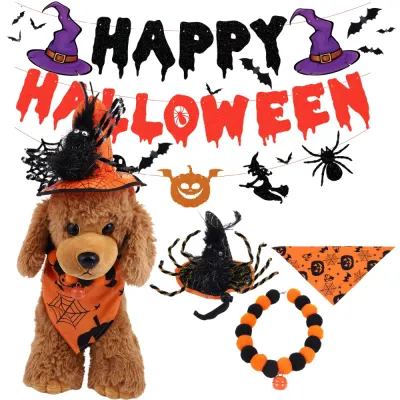
The best Halloween pet products for small retailers are not necessarily the most elaborate costumes. The strongest wholesale assortment usually combines recognizable costume themes, easy-to-fit accessories, interactive toys and practical products that can still sell after October 31.
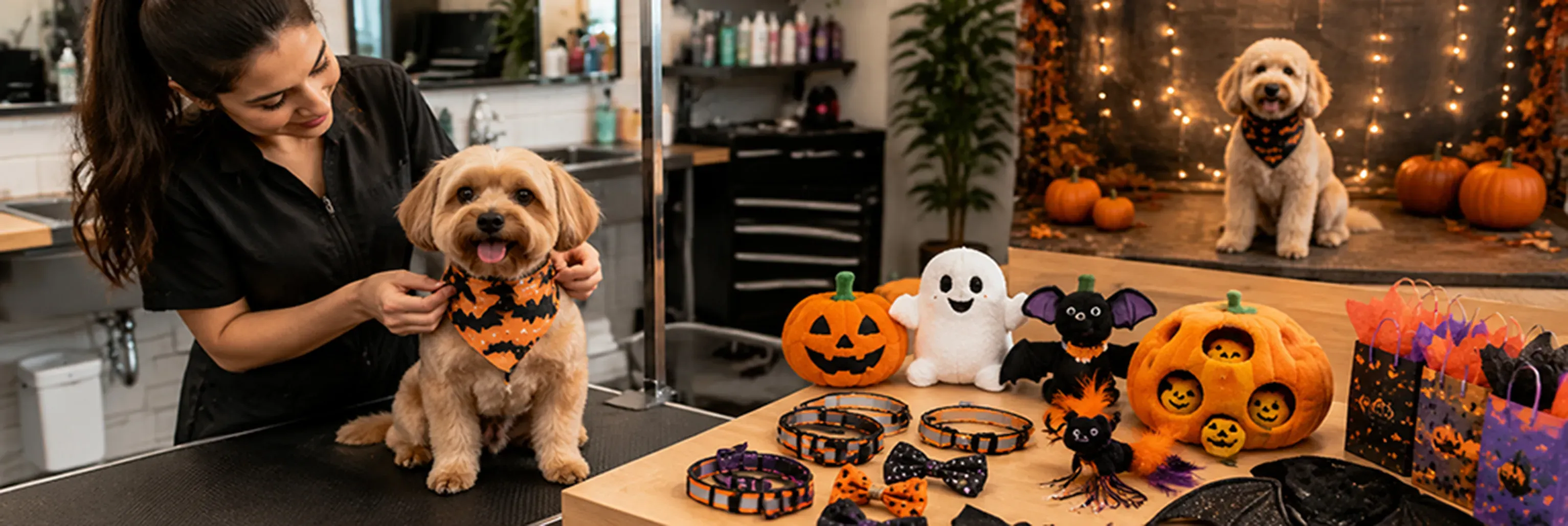
For most independent pet stores, groomers, online sellers and subscription-box businesses, the safest products to stock are pumpkin dog costumes, reversible Halloween bandanas, lightweight bat wings, pumpkin and ghost squeaky toys, hide-and-seek dog toys, seasonal catnip toys and reflective collars. These items are visually seasonal, relatively easy to explain to customers and less likely to become completely unsellable when Halloween ends.
The opportunity is significant. The National Retail Federation estimated that U.S. consumers planned to spend approximately $860 million on pet Halloween costumes in 2025. Pumpkin remained the most popular pet costume theme at 9.8%, followed by hot dogs at 5.4%, bumblebees at 4%, ghosts at 3.1% and superheroes at 3.1%. Total U.S. Halloween spending was expected to reach a record $13.1 billion.
However, seasonal demand comes with a clear warning: Halloween sales rise quickly and fall just as quickly. Retailers that buy the wrong assortment, order too late or overinvest in complicated sizes can be left with inventory that is difficult to sell until the following year.
This guide examines popular Halloween pet product types found in the Amazon U.S. market, compares their inventory risks and identifies which products are most suitable for independent pet businesses.
Quick Answer: What Halloween Pet Products Should Retailers Stock?
A balanced Halloween pet assortment should prioritize five product groups:
| Priority | Product group | Why it sells | Inventory risk |
| 1 | Halloween dog toys | Functional, giftable and easy to sell online | Low |
| 2 | Bandanas and lightweight accessories | Low cost, simple sizing and compact storage | Low |
| 3 | Adjustable capes and bat wings | Strong visual appeal without complex fitting | Low to medium |
| 4 | Classic pumpkin and hot dog costumes | Supported by established U.S. consumer demand | Medium |
| 5 | Reflective collars and walking accessories | Useful during and after Halloween | Low My view is that retailers should treat full-body costumes as traffic-generating products, but treat toys, bandanas and functional accessories as the products most likely to generate reliable sell-through. A costume may attract attention in a storefront or social media video. A toy or bandana is often easier for the customer to purchase without worrying about exact fit, pet tolerance or one-night-only use. |
The U.S. Halloween Pet Market Is Large, but Buyers Are More Selective
Halloween is one of the largest seasonal retail events in the United States. In 2025, 49% of Halloween shoppers began purchasing in September or earlier. The main reasons included excitement about fall, fear of missing desired items and a desire to avoid last-minute stress. Online shopping accounted for 31% of planned Halloween purchasing destinations, while online search was the leading source of inspiration for 37% of consumers.
For a small pet retailer, this means Halloween merchandising should not begin in the final week of October. Product pages, email campaigns, store displays and social content should ideally be prepared by late August or early September.
The wider pet market also remains substantial. The American Pet Products Association reported that U.S. pet industry expenditures reached $158 billion in 2025 and were projected to reach $165 billion in 2026. Approximately 95 million U.S. households owned at least one pet in 2025. Dog ownership reached 53% of U.S. households, representing approximately 71 million households, while 53 million households owned cats.
The size of the market does not mean every seasonal product will sell easily. APPA also found that consumers are becoming more value-conscious. Twenty-two percent of pet owners reported spending less in 2025, while many continued protecting essential pet spending and looking for better value.
For Halloween pet products, value does not simply mean the lowest price. It means the customer can immediately understand what the product does, how the pet will use it and whether it will remain useful beyond a single photo session.
How We Evaluated “Best-Selling” Amazon Halloween Pet Products
Amazon Best Sellers rankings change frequently. A product can move rapidly because of discounts, advertising, inventory changes, reviews or seasonal search volume. Amazon itself recommends using tools such as Best Sellers, New Releases, Movers & Shakers and Product Opportunity Explorer to identify current demand rather than assuming that one product remains permanently popular.
For this reason, this guide does not claim that a specific ASIN is permanently the number-one Halloween pet product.
Instead, the product recommendations are based on four signals:
| Evaluation factor | What it tells a wholesale buyer |
| National consumer data | Which themes have broad U.S. demand |
| Repeated Amazon product formats | Which product structures appear consistently |
| Product usability | Whether the item solves a real pet-owner need |
| Inventory durability | Whether unsold stock can be sold later or next year This approach is more useful to a wholesale buyer than a temporary Amazon ranking. A small retailer needs to know not only what is popular today, but also what is likely to sell through with limited cash and storage space. |
Most Popular U.S. Pet Costume Themes
The strongest pet costume themes remain surprisingly stable. NRF’s 2025 survey identified pumpkin, hot dog, bumblebee, ghost and superhero designs as the leading pet costume choices.
This stability matters to small retailers. A licensed movie character may become popular for one season and disappear the following year. A pumpkin, ghost, bat or bumblebee is not tied to a single entertainment release and can usually return to the sales floor next Halloween.
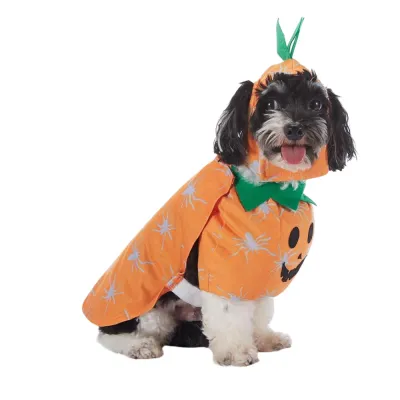
Pumpkin Dog Costumes
Pumpkin costumes are the most dependable Halloween pet costume theme in the United States. Their strength comes from immediate recognition: customers do not need an explanation to understand the product or its seasonal relevance.
Common formats include pumpkin capes, hoodies, padded vests, dresses, hats and jack-o’-lantern pajamas.
For wholesale buyers, a cape or back-mounted pumpkin is safer than a complicated four-leg jumpsuit. It can accommodate more body shapes and is easier for pet owners to put on and remove.
The strongest product features are:
| Feature | Retail benefit |
| Adjustable hook-and-loop closures | Fits a wider range of pets |
| Separate removable hat | Gives the owner a choice |
| Lightweight filling | Reduces overheating and shipping volume |
| Clearly measured chest range | Lowers size-related returns |
| Non-licensed design | Can return next Halloween Inventory assessment: Medium risk. Pumpkin demand is proven, but sizing can still create leftover inventory. Retailers should avoid ordering equal quantities of every size without considering their customer base. Small boutiques may sell more small and medium sizes, while groomers, trainers and suburban stores may need a wider large-dog selection. |
Hot Dog Pet Costumes
The hot dog costume is one of the most recognizable humorous pet costumes in the U.S. market. NRF ranked it second among planned pet costumes in 2025.
Its popularity is partly connected to the visual joke of dressing a dachshund as a hot dog, but it also works for many other small and medium dogs.
The most practical design places two lightweight “bun” panels along the pet’s back and secures them around the chest and stomach. This structure avoids leg holes and gives the retailer more flexibility across breeds.
Inventory assessment: Medium risk.
Hot dog costumes have good visual appeal but limited use after Halloween. They are best ordered in small test quantities unless the retailer has strong social-media traffic or regularly hosts costume events.
Bumblebee Pet Costumes
Bumblebee costumes combine cute styling with strong color contrast. Yellow-and-black stripes are easy to see in thumbnails, storefront photographs and short-form videos.
The main product concern is construction. Customers are likely to compare whether the wings remain upright, whether the antennae block the pet’s vision and whether the body fabric feels too warm.
Retailers should prioritize lightweight wings, adjustable chest straps and removable headpieces.
Inventory assessment: Medium risk.
The design can sometimes be reused for spring events, garden-themed photography or pet birthday content, giving it slightly more flexibility than strictly spooky designs.
Ghost Capes and Hoodies
Ghost costumes are particularly suitable for larger dogs because the design does not need to closely follow the animal’s body.
A simple white cape or hoodie can produce a strong Halloween effect without the fitting challenges of a full-body costume.
The best commercial versions include wide eye placement, open facial areas, lightweight fabric and adjustable neck and chest closures.
Inventory assessment: Low to medium risk.
Ghost capes are inexpensive to store and can often cover several sizes. White fabric may show dirt easily, so washable material and protective packaging are useful selling points.
Superhero and Character-Style Costumes
Superhero costumes remain popular, but retailers should distinguish between generic designs and licensed characters.
Generic capes, masks and heroic color combinations are easier to restock and carry fewer intellectual-property concerns. Licensed merchandise may attract stronger searches, but it can require authorization and may become dated when entertainment trends change.
Inventory assessment: Medium to high risk.
For a small retailer, generic capes are usually safer than investing heavily in one movie or television character.
Halloween Pet Product Comparison for Wholesale Buyers
The following scorecard is an editorial merchandising assessment designed for small retailers. It is not an Amazon sales ranking.
Scores use a five-point scale, where five indicates the strongest performance.
| Product category | Demand potential | Easy to sell | Low return risk | Can sell after Halloween | Next-year reuse | Petfairs recommendation |
| Halloween squeaky toy sets | 5 | 5 | 5 | 4 | 5 | Core product |
| Pumpkin hide-and-seek toys | 5 | 4 | 5 | 4 | 5 | Core product |
| Reversible bandanas | 5 | 5 | 5 | 3 | 5 | Core product |
| Reflective collars | 4 | 5 | 4 | 5 | 5 | Core product |
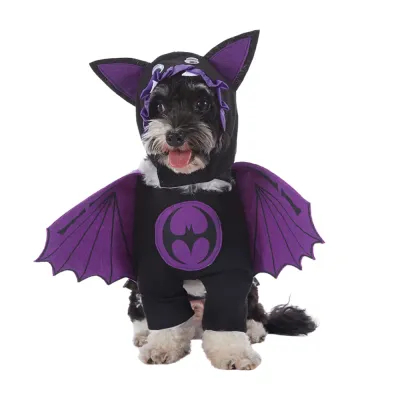
| Bat wings | 4 | 5 | 4 | 2 | 5 | Small test order |
| Ghost capes | 4 | 4 | 4 | 2 | 5 | Small test order |
| Pumpkin costumes | 5 | 4 | 3 | 1 | 5 | Controlled size buy |
| Hot dog costumes | 4 | 4 | 3 | 1 | 4 | Controlled size buy |
| Halloween pajamas | 4 | 4 | 3 | 4 | 4 | Good in colder regions |
| Catnip Halloween toys | 4 | 5 | 5 | 4 | 5 | Core cat product |
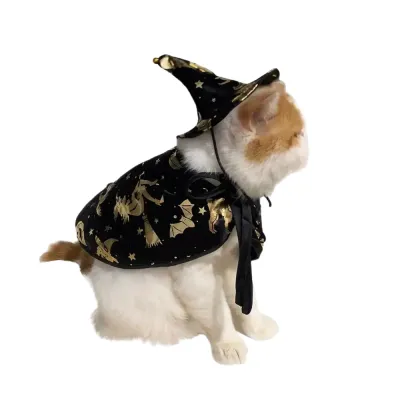
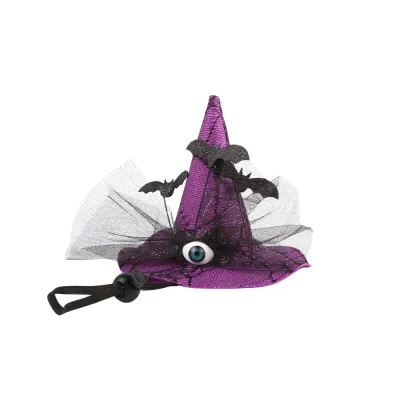
| Witch hats and headpieces | 3 | 3 | 3 | 1 | 5 | Display quantity only |
| Licensed character costumes | 3 | 3 | 2 | 1 | 2 | High caution The strongest products are those that combine seasonal appearance with ordinary pet behavior. A pumpkin squeaky toy is still a dog toy after Halloween. A ghost catnip toy is still usable in November. A reflective orange collar remains useful throughout fall. By contrast, a tightly fitted character costume has almost no value when the season ends unless it can be stored until the following year. |
Halloween Dog Toys May Be Safer Than Costumes
From a wholesale perspective, Halloween dog toys are one of the strongest categories because they do not depend on exact sizing.
Popular formats include:
- Pumpkin squeaky toys
- Ghost crinkle toys
- Bat plush toys
- Candy-corn rope toys
- Halloween tennis-ball sets
- Rubber pumpkin treat dispensers
- Multipacks with three or more characters
A multipack can be more attractive than one large toy because it looks gift-ready and gives online sellers more value to communicate in a product title.
A set containing a pumpkin, ghost and bat can also be separated for store displays, grooming gifts or subscription boxes.
My recommendation is to favor toy designs with a clear function. “Halloween plush toy” is a weak proposition by itself. “Squeaky and crinkle Halloween dog toy set” tells the customer what the pet will experience.
Why Toys Reduce Seasonal Inventory Risk
A seasonal toy can still be sold after Halloween as a discounted play item. The orange, black or purple color is less restrictive than a printed message such as “Happy Halloween 2026.”
Retailers can also bundle leftover toys with autumn products, birthday boxes or dog adoption kits.
For small online sellers, toys are easier to photograph than apparel because there is no need to demonstrate several sizes. They also create natural video content: squeaking, chewing, retrieving and hide-and-seek play.
Hide-and-Seek Toys Offer Higher Perceived Value
Halloween hide-and-seek toys usually include a larger pumpkin, haunted house or tombstone container with several removable characters inside.
Dogs pull small ghosts, bats or spiders through openings in the outer toy. Many versions include squeakers or crinkle material.
This format offers three commercial advantages.
First, it looks more substantial than a single plush toy. Second, the interaction is easy to demonstrate in video. Third, the owner sees both enrichment and entertainment value.
The product is especially suitable for:
| Customer type | Sales use |
| Pet boutiques | Premium seasonal display |
| Online pet stores | Video-led product page |
| Dog trainers | Mental enrichment recommendation |
| Boarding and daycare | Supervised activity product |
| Subscription boxes | Seasonal hero item |
| Social-commerce sellers | Demonstration content The main sourcing concern is the size of the internal toys. Small removable pieces should be appropriately sized for the intended dog, and the product should always include supervised-play guidance. |
Bandanas Are the Lowest-Risk Halloween Apparel
A festive bandana gives the pet a Halloween look without enclosing the body.
ASPCA specifically suggests a bandana as an alternative when a pet appears uncomfortable in a full costume. It also advises that pet apparel should not restrict movement, sight, breathing, barking or meowing.
For retailers, bandanas solve several commercial problems:
| Problem with costumes | How bandanas help |
| Too many sizes | Often available in adjustable or tie-on formats |
| Pet dislikes clothing | Less body coverage |
| High shipping volume | Flat and lightweight |
| Difficult online fitting | Simple neck measurement |
| Unsold seasonal stock | Easy to store until next year Reversible designs provide additional value. One side may feature pumpkins, while the other uses a more general orange plaid or fall pattern. After Halloween, the customer can continue using the non-Halloween side. This is the type of design decision that directly reduces inventory risk. |
Reflective Halloween Accessories Combine Safety and Seasonality
Reflective collars, harnesses, leashes and bandanas are strong products because Halloween activities often take place after dark.
ASPCA recommends that pets taken outside on Halloween wear a reflective collar, remain securely leashed and carry proper identification because unusual costumes, crowds and repeated door activity may frighten animals and cause them to bolt.
Retailers can stock orange-and-black reflective products without making the design excessively seasonal.
Examples include:
- Reflective pumpkin-print collars
- Orange high-visibility harnesses
- Ghost-pattern bow-tie collars
- Reflective dog bandanas
- Breakaway Halloween cat collars
- LED leash attachments
These products are particularly suitable for veterinary retail counters, groomers, trainers and pet stores because the sales conversation can focus on practical use rather than costume appearance alone.
Inventory assessment: Low risk.
A reflective orange collar can continue selling as a fall walking accessory even when Halloween is over.
Halloween Products for Cats
Cat Halloween products should not simply copy dog costume designs.
Many cats are less tolerant of full-body apparel, hats and attached decorative parts. For that reason, cat-focused assortments should emphasize play and lightweight accessories.
The best product directions include:
| Product | Why it works |
| Pumpkin catnip toys | Familiar play behavior |
| Ghost crinkle toys | Sound and texture |
| Bat teaser wands | Interactive owner-led play |
| Spider wand toys | Strong seasonal visual |
| Breakaway bow-tie collars | Lower-stress accessory |
| Halloween tunnels | Play product with visual impact Catnip, silvervine and crinkle products can continue selling after Halloween. However, avoid printing a year on the packaging or product itself. A retailer with limited space should generally choose cat toys before cat costumes. |
Should Retailers Stock Halloween Products for Exotic Pets?
The Halloween opportunity is primarily concentrated in dogs and cats.
Birds, rabbits, guinea pigs, reptiles and other exotic pets have highly different behavioral and physical requirements. A costume that appears harmless for a dog may create stress, entanglement or temperature-management problems for another species.
For exotic-pet customers, safer retail directions may include species-appropriate seasonal habitat accessories, chew-safe toys, feeding accessories or photography backdrops. Every product should be evaluated for the specific species rather than marketed as universally suitable.
In my opinion, retailers should not use “fits all pets” as a selling point unless the product genuinely has broad and documented suitability.
For Petfairs buyers serving exotic-pet communities, the better opportunity is a carefully curated niche collection rather than a large speculative order.
Which Customer Segments Should Buy Which Products?
Petfairs serves a wide variety of small-business and professional buyers. They do not all need the same Halloween inventory.
| Buyer type | Best Halloween products | Buying logic |
| Pet boutiques | Costumes, premium toys, gift sets | Visual merchandising and higher perceived value |
| Physical pet stores | Broad mix of toys, bandanas and collars | Supports impulse purchases and repeat visits |
| Online pet sellers | Lightweight accessories and toy sets | Lower shipping cost and easy product photography |
| Marketplace resellers | Search-friendly classics | Pumpkin, ghost and bat themes have established recognition |
| Social-commerce sellers | Funny costumes and interactive toys | Strong short-video potential |
| Subscription-box sellers | Toy multipacks and bandanas | Easy seasonal curation |
| Groomers and salons | Bandanas, bow ties and photo accessories | Can be sold or added to grooming packages |
| Mobile groomers | Compact bandanas and collars | Minimal storage requirement |
| Dog trainers | Enrichment toys and reflective gear | Functional recommendation |
| Boarding and daycare | Supervised interactive toys | Supports seasonal activity programs |
| Veterinary retail counters | Reflective accessories and safe toys | Practical, low-pressure purchases |
| Shelters and rescues | Bandanas and adjustable collars | Adoption photography and fundraising events |
| Breeders | Puppy-safe toys and photo accessories | Litter photography and buyer gift packs |
| Local distributors | Mixed seasonal cases | Supplies multiple retail formats A groomer may not want to hold ten costume sizes. A small box of bandanas can be used for photographs, sold at checkout or included as a paid seasonal upgrade. A social-commerce seller may value a funny hot dog costume because it performs well in video. A veterinary clinic is more likely to prefer a reflective collar or low-risk toy that aligns with a practical retail environment. |
Will Halloween Pet Products Create Dead Inventory?
Yes, they can—especially when the retailer buys too many sizes, chooses dated designs or receives inventory too late.
Amazon’s case study of HalloweenCostumes.com illustrates the intensity of seasonal demand. The retailer generated 80% of its annual sales during a three-month peak season and needed to manage a 15-times increase in order volume. That example covers costumes broadly rather than pet products specifically, but it demonstrates how sharply Halloween demand can concentrate.
For a small pet retailer, the problem is reversed. Large companies worry about meeting a demand spike. Small retailers must worry about what remains when the spike disappears.
Inventory Durability Comparison
| Product | Sell after Oct. 31? | Store for next year? | Main leftover risk |
| Squeaky toys | Yes, usually | Yes | Excessively seasonal packaging |
| Catnip toys | Yes | Yes | Fragrance strength may decline over time |
| Bandanas | Sometimes | Yes | Printed year or trend-specific slogan |
| Reflective collars | Yes | Yes | Very low risk |
| Pajamas | Yes in colder regions | Yes | Size imbalance |
| Bat wings | Difficult | Yes | Fashion-only product |
| Pumpkin cape | Difficult | Yes | Size imbalance |
| Full-body costume | Rarely | Yes | Returns and missing sizes |
| Pet-safe treats | Limited | Often no | Expiration date |
| Licensed costume | Difficult | Uncertain | Character trend may fade The most dangerous seasonal products are dated edible goods and licensed costumes. The safest are toys, reversible accessories and functional walking products. |
Can Unsold Products Be Sold Next Year?
Many Halloween pet supplies can be carried into the next season, but only when five conditions are met:
- The product does not show a year.
- The design uses a classic theme.
- The material can be stored without damage.
- The packaging remains presentable.
- No expiration or regulatory deadline will pass.
Pumpkins, ghosts, bats, spiders and orange-and-black plaid are durable themes. NRF notes that the most popular pet costume choices remain relatively stable from year to year.
Pop-culture themes are less reliable. A character that dominates one October may attract limited attention the following year.
For carryover inventory, retailers should store fabric products in dry, sealed containers and keep detailed counts by size. Discovering the following August that only XS and XXL remain is not a useful inventory position.
A Low-Risk 100-Unit Test Assortment
The following model is an illustrative starting point for a small retailer. It is not a universal sales forecast.
| Product type | Units | Share of order | Reason |
| Halloween dog toy multipacks | 20 | 20% | Broad appeal and low return risk |
| Pumpkin or ghost squeaky toys | 15 | 15% | Entry-price impulse products |
| Reversible bandanas | 20 | 20% | Easy fitting and compact storage |
| Catnip Halloween toys | 10 | 10% | Covers cat customers |
| Reflective collars or accessories | 10 | 10% | Practical post-Halloween use |
| Adjustable bat wings | 8 | 8% | Strong visual product |
| Ghost or pumpkin capes | 7 | 7% | Easier fitting than full costumes |
| Classic full costumes | 5 | 5% | Display and social-media traffic |
| Premium hide-and-seek toys | 5 | 5% | Higher-ticket hero product |
| Total | 100 | 100% | Balanced seasonal test This allocation places 75% of the inventory in toys, bandanas, cat products and practical accessories. Only 20% is committed to fit-sensitive costume items, while 5% is reserved for premium enrichment products. For a first-time Halloween buyer, this is more financially responsible than dividing the order evenly across many costume sizes. |
Recommended Halloween Buying Calendar
Because 49% of U.S. Halloween shoppers started in September or earlier in 2025, retailers should work backward from the consumer buying window rather than from October 31.
| Period | Retailer action |
| July 15–August 10 | Review trends, compare suppliers and request samples |
| August 10–August 31 | Confirm assortment, photograph products and prepare listings |
| September 1–September 20 | Launch the full collection |
| September 21–October 10 | Main selling and content period |
| October 11–October 20 | Reorder only proven fast sellers |
| October 21–October 31 | Promote local stock and fast-delivery products |
| November 1–November 7 | Bundle, discount or reposition remaining toys |
| After November 7 | Store durable products and clear dated inventory Global delivery time is important. Buyers ordering internationally should not rely on a late-September purchase unless the goods are already held in a local warehouse or available through a sufficiently fast shipping method. Petfairs supports wholesale buyers in many global markets, so merchants should compare the product’s expected arrival date with the local Halloween selling window before placing an order. |
Product Safety Is Part of the Sales Proposition
Safety information should not be treated as a small disclaimer hidden at the bottom of the product page.
ASPCA advises that costumes should not restrict movement, hearing, sight, breathing, barking or meowing. Costumes should also be checked for small, dangling or easily chewed-off pieces, and a costumed pet should never be left unattended.
AKC similarly warns that beads, snaps, buttons, ribbons, elastic and loose fabric can become choking or intestinal hazards. Costumes may also cause overheating, obstruct vision or create breathing difficulty if they are too restrictive around the neck and chest.
These recommendations translate directly into sourcing criteria:
| Safety consideration | What buyers should request |
| Restricted breathing | Accurate neck and chest measurements |
| Overheating | Lightweight and breathable material |
| Choking hazard | Secure stitching and minimal loose decoration |
| Blocked vision | Open facial design or removable headpiece |
| Poor fit | Adjustable straps and clear size charts |
| Pet stress | Easy-on design and short-wear guidance |
| Night visibility | Reflective elements where appropriate A safer product is also easier to market responsibly. Groomers, trainers, veterinary clinics and established pet stores will be more willing to recommend an accessory when the supplier provides clear use instructions. |
Human Halloween Candy Is Not a Pet Product
Retailers should clearly separate human Halloween candy from pet-formulated treats.
Chocolate can be dangerous to dogs and cats, while sugar-free products containing xylitol can cause serious and potentially life-threatening poisoning in dogs. FDA advises contacting a veterinarian or emergency animal clinic immediately when xylitol ingestion is suspected.
If a business sells Halloween pet treats, the products should be specifically formulated and labeled for the intended animal.
Treat inventory also carries greater seasonal risk because of expiration dates, storage requirements and market-specific regulations. Petfairs buyers distributing across countries should verify ingredient, labeling and import requirements for each destination.
For most first-time seasonal buyers, non-edible Halloween pet products are simpler to test.
What Should Retailers Look for on a Wholesale Product Page?
A wholesale buyer needs more than a product photograph.
The listing should answer the questions that affect sell-through and returns.
For Costumes
- Neck, chest and back measurements
- Weight guidance
- Adjustable range
- Material composition
- Closure method
- Washing instructions
- Removable parts
- Suggested pet type
- Package dimensions
- Units per carton
For Toys
- Product dimensions
- Recommended pet size
- Squeaker or crinkle location
- Stuffing material
- Rope or rubber composition
- Supervised-play warning
- Carton quantity
- Packaging type
- Whether the pieces are sold individually or as a set
For Collars and Bandanas
- Neck range
- Width
- Buckle type
- Breakaway function for cat products
- Reflective material
- Reversible design
- Washing instructions
A clear size chart can increase customer confidence, but it also protects the retailer. “Small, medium and large” without actual measurements is not enough for an online wholesale purchase.
How Different Businesses Can Merchandise the Same Product
A single Halloween bandana can support several different business models.
A groomer can include it in a seasonal photo package. A shelter can use it for adoption portraits. A subscription-box seller can include it as the wearable item in an October box. A boutique can display it beside orange collars and pumpkin toys. A social seller can demonstrate several dogs wearing different patterns.
The product has not changed, but its commercial use has.
This is why Petfairs buyers should evaluate a product by its role in their own business rather than copying an Amazon storefront exactly.
Amazon can reveal what consumers recognize and search for. It cannot determine the best inventory mix for every local store, grooming salon or reseller.
Final Recommendation
The best Halloween pet assortment for an independent business is not a miniature copy of a large Amazon catalog.
It should be a controlled collection built around products that are easy to understand, easy to fit and easy to sell before and after the peak date.
For most Petfairs wholesale customers, the strongest order would include:
- Pumpkin, ghost and bat squeaky toy sets
- Pumpkin hide-and-seek dog toys
- Reversible Halloween bandanas
- Reflective orange collars and walking accessories
- Pumpkin and ghost catnip toys
- Adjustable bat wings
- Lightweight ghost or pumpkin capes
- A limited quantity of classic pumpkin and hot dog costumes
My conclusion is that toys and accessories should generate the majority of the order, while full costumes should provide visual excitement without absorbing most of the inventory budget.
Halloween is a major U.S. retail event, but it rewards disciplined buying. Retailers that order early, choose classic themes, limit complicated sizes and prioritize reusable products have a much better chance of selling through the season without carrying an expensive box of unsold costumes into November.
Frequently Asked Questions
What are the most popular pet Halloween costume themes in the U.S.?
NRF’s 2025 consumer survey ranked pumpkin first, followed by hot dog, bumblebee, ghost and superhero costumes.
What is the safest Halloween pet category for a small retailer?
Toys, reversible bandanas and reflective accessories generally carry lower return and leftover risk than full-body costumes.
Are Halloween dog costumes likely to sell after October?
Most costume demand drops sharply after Halloween. Classic undated designs can be stored for the following year, but toys and practical accessories are easier to reposition immediately.
When should retailers launch Halloween pet products?
A full collection should ideally be available by early September. In 2025, 49% of Halloween shoppers began shopping in September or earlier.
Should retailers buy equal quantities of every size?
Usually not. Order quantities should reflect the retailer’s actual customer and breed mix. Adjustable products reduce the risk of being left with isolated sizes.
Are pet Halloween toys better than costumes?
They are not necessarily more popular, but they are usually easier to sell, ship, store and carry beyond the holiday.
Can Halloween products be stored for next year?
Undated, non-edible products using classic themes can often be stored. Avoid carrying over products with damaged packaging, expiring ingredients or declining licensed characters.
What Halloween products work for grooming businesses?
Bandanas, bow ties, collars and lightweight photo accessories are generally more practical than maintaining a full costume-size range.
What works best for subscription boxes?
Small toy sets, crinkle toys, catnip products and reversible bandanas are compact and easy to curate around a theme.
What works best for marketplace and social sellers?
Products with clear thumbnail appeal and video demonstration potential perform best: funny costumes, hide-and-seek toys, squeaky multipacks and lightweight bat wings.
 Popular Blogs