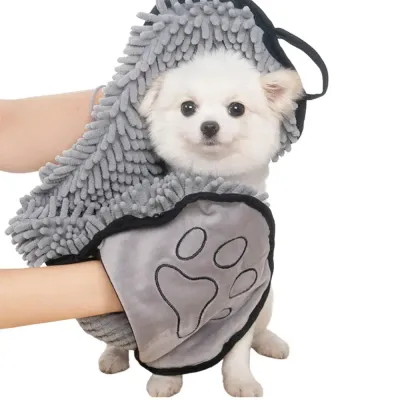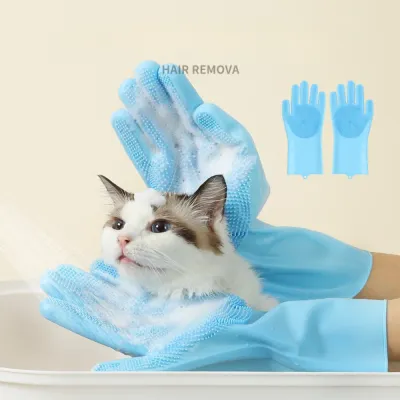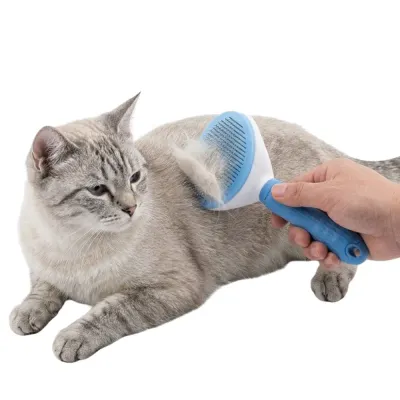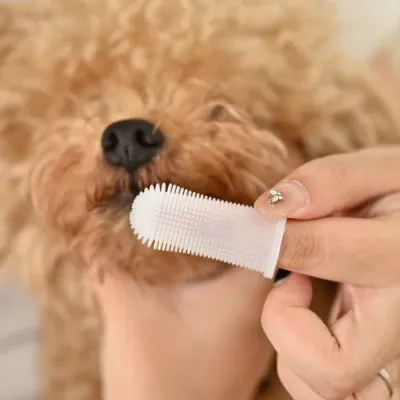

Common Mistakes New Pet Stores Make (And What Successful Stores Do Differently)
Starting a pet business has never looked more attractive. Global pet spending continues to grow, pet owners are treating pets more like family members, and social commerce has made it easier than ever for small businesses to sell online.
According to APPA (American Pet Products Association), the U.S. pet industry reached approximately $158 billion in 2025 and is expected to continue growing. Meanwhile, FEDIAF (European Pet Food Industry Federation) reports that Europe now has over 139 million pet-owning households.
From the outside, the opportunity looks enormous.
But behind the growth, many new pet stores struggle with the same problems:
- Too much inventory
- Weak product positioning
- Low margins
- Poor supplier choices
- Inconsistent branding
- Overdependence on viral products
- Lack of repeat-purchase categories
- Weak content and SEO strategy
The biggest issue is not usually demand.
The biggest issue is that many new sellers enter the market without a clear operational strategy.
This guide breaks down the most common mistakes new pet stores make, why these mistakes happen, and what successful small pet businesses do differently.
Whether you run:
- a small pet e-commerce store,
- a pet boutique,
- a grooming business,
- a TikTok pet shop,
- an Amazon pet store,
- or a growing local retail operation,
these lessons apply to almost every modern pet retail business.
Why New Pet Stores Struggle More Today Than Before
The pet industry is still growing, but competition has changed dramatically.
Ten years ago, many small pet stores mainly competed with nearby local shops.
Today, they compete with:
- Amazon
- Chewy
- TikTok sellers
- DTC pet brands
- Marketplace resellers
- Subscription box businesses
- Social commerce stores
At the same time, modern pet consumers have become far more selective.
According to industry reports from Petfood Industry Magazine, consumers increasingly prioritize:
- quality,
- functionality,
- pet wellness,
- sustainability,
- product safety,
- convenience,
- and trust.
This means simply selling “cheap pet products” is no longer enough.
Small pet businesses that succeed today usually focus on:
- curated inventory,
- repeat-purchase products,
- niche positioning,
- content-driven marketing,
- and operational efficiency.
The following mistakes are the ones that most commonly prevent new stores from reaching that stage.
Mistake #1 — Carrying Too Many Products Too Early
The Mistake
Many new pet store owners believe they need a large catalog immediately.
They try to launch with:
- hundreds of SKUs,
- too many categories,
- too many color variations,
- and too many “trending” products.
The logic seems reasonable:
“More products should create more sales.
But for small businesses, oversized inventory often creates the opposite result.
Why New Stores Make This Mistake
Many beginners try to imitate large retailers too early.
They see major pet platforms selling thousands of products and assume scale equals professionalism.
Social media also contributes to this problem. New sellers constantly see viral pet products and feel pressure to add every trending item.
As a result, many stores quickly become operationally chaotic.
The Real Consequences
Oversized inventory creates several major problems:
| Problem | Business Impact |
| Overstock | Cash flow pressure |
| Too many SKUs | Operational confusion |
| Slow-moving products | Dead inventory |
| Complex purchasing | Supplier management issues |
| Large catalog | Weak brand identity One of the biggest hidden dangers is frozen cash flow. New stores often spend too much money on inventory before understanding what customers actually want. A store with 500 weak products is usually less stable than a store with 80 carefully selected products. |
What Successful Small Pet Stores Do Instead
Successful small pet stores usually begin with:
- fewer SKUs,
- stronger product selection,
- repeat-purchase categories,
- and easier operational management.
Instead of trying to “sell everything,” they focus on becoming highly relevant to a specific customer group.
For example:
| Weak Strategy | Stronger Strategy |
| Selling random pet products | Focusing on indoor cat products |
| Carrying all pet categories | Specializing in enrichment toys |
| Large inventory purchases | Testing smaller quantities |
| Trend chasing | Building stable product collections |
Beginner Inventory Rule
A useful guideline for new pet stores:
Start narrow before expanding.
Most successful small stores expand gradually after identifying:
- repeat customers,
- strong-performing categories,
- and reliable suppliers.
Mistake #2 — Competing Only on Price
The Mistake
Many beginners assume lower prices are the easiest way to compete.
So they try to:
- undercut competitors,
- run constant discounts,
- and focus entirely on “cheap.”
Unfortunately, this usually creates weak businesses.
Why New Sellers Do This
Large platforms like Amazon and Temu have conditioned many sellers to think price is everything.
New businesses often fear that customers will not buy unless prices are extremely low.
But modern pet consumers are becoming more value-focused rather than simply price-focused.
What Actually Happens
Stores competing only on price often experience:
| Problem | Result |
| Thin margins | Low profitability |
| Constant discounting | Weak brand value |
| Low customer loyalty | Poor retention |
| Price wars | Unsustainable growth This is especially difficult for small businesses because they cannot match the purchasing power of giant marketplaces. |
Modern Pet Consumers Buy Differently
The pet industry is heavily influenced by:
Pet Humanization
Consumers increasingly treat pets like family members.
This changes how they buy products.
Modern customers increasingly care about:
- quality,
- enrichment,
- wellness,
- aesthetics,
- durability,
- and trust.
For example:
A customer may willingly pay more for:
- safer materials,
- better functionality,
- stronger durability,
- or better design.
This is why many premium pet categories continue growing globally.
What Successful Stores Do Instead
Successful small stores usually compete through:
- product curation,
- niche positioning,
- customer experience,
- content,
- and trust.
Instead of asking:
“How can I become cheaper?
they ask:
“Why should customers choose my store?
That shift changes everything.
Mistake #3 — Selling Generic Products Without Positioning
The Mistake
Many new stores sell products that look identical to thousands of other online listings.
The result is a “generic catalog” problem.
Nothing stands out.
Why This Happens
Generic sourcing is easy.
Thousands of sellers now source similar products from:
- marketplaces,
- catalogs,
- and factory databases.
But when every store looks the same, competition becomes entirely price-driven.
The Real Problem With Generic Stores
Generic stores usually struggle with:
| Problem | Outcome |
| Weak identity | Low memorability |
| No niche focus | Weak customer retention |
| Random product mix | Lower trust |
| No positioning | Low organic growth Consumers rarely become loyal to stores that feel interchangeable. |
What Successful Pet Stores Do Instead
Successful stores usually build around:
A Clear Audience
Examples include:
- apartment dog owners,
- indoor cat owners,
- puppy parents,
- grooming-focused buyers,
- eco-conscious pet owners,
- enrichment-focused pet owners.
A Clear Product Philosophy
For example:
- durable toys,
- enrichment-focused products,
- travel-friendly accessories,
- wellness-focused products,
- modern aesthetic pet products.
Consistent Branding
Strong stores usually maintain consistency in:
- imagery,
- packaging,
- product selection,
- messaging,
- and content tone.
Mistake #4 — Ignoring Repeat-Purchase Products
The Mistake
Many new sellers focus almost entirely on viral products.
But viral products do not always create stable businesses.
Long-term profitability often depends on repeat purchases.
Why Repeat Purchases Matter
Repeat purchases help create:
- predictable revenue,
- customer retention,
- higher lifetime value,
- and lower customer acquisition costs.
Without repeat-purchase categories, many stores constantly depend on finding new customers.
That becomes expensive very quickly.
Product Repurchase Comparison
| Product Type | Repurchase Frequency | Business Stability |
| Waste bags | Very High | Strong |
| Grooming care | High | Strong |
| Dental care | High | Strong |
| Cat litter accessories | Medium–High | Stable |
| Interactive toys | Medium | Moderate |
| Seasonal novelty products | Low | Unstable |
| Viral trend products | Unpredictable | High Risk |
Why Many New Stores Ignore This
Viral products create excitement.
Repeat-purchase products create stable businesses.
Unfortunately, repeat-purchase categories often look “less exciting” on social media.
But operationally, they are far more important.
Strong Beginner Categories for Repeat Purchases
New pet stores often benefit from building around categories such as:
- poop bag dispensers,
- grooming accessories,
- cat enrichment toys,
- feeding accessories,
- dental care,
- travel products,
- seasonal essentials,
- grooming consumables.
These categories often generate more sustainable customer behavior over time.
Mistake #5 — Choosing Suppliers Based Only on Price
The Mistake
Many beginners choose suppliers based entirely on the lowest price.
This often leads to major operational issues later.
Why This Happens
New stores usually operate with limited budgets.
As a result, they prioritize:
- cheaper inventory,
- lower product costs,
- and aggressive margins.
But supplier quality affects far more than product cost.
What Poor Suppliers Often Cause
| Supplier Problem | Business Consequence |
| Inconsistent quality | Customer complaints |
| Delayed shipping | Operational instability |
| Poor communication | Restocking issues |
| High MOQ requirements | Inventory pressure |
| Weak packaging | Negative customer experience |
Mistake Priority Matrix
| Mistake | Risk Level | Business Impact | Fix Priority |
| Too many SKUs too early | High | Cash flow pressure | Very High |
| Competing only on price | High | Low profit margin | Very High |
| Weak supplier selection | High | Stock and quality issues | Very High |
| No repeat-purchase products | Medium–High | Low customer retention | High |
| No niche positioning | Medium–High | Weak brand memory | High |
| No content strategy | Medium | Low organic traffic | Medium |
| Chasing viral products | Medium | Overstock risk | Medium |
Product Category Strategy Table
| Product Type | Example Products | Role in Store | Best For |
| Repeat-Purchase Products | Waste bags, grooming care, dental care | Stable revenue | New stores |
| Traffic Products | Cute toys, seasonal items, viral products | Attract clicks | Social commerce |
| Profit Products | Premium accessories, pet apparel, bundles | Improve margin | Boutiques |
| Trust-Building Products | Safe feeding tools, care products | Build customer confidence | Pet stores & groomers |
Beginner Inventory Comparison Chart
| Strategy | SKU Count | Cash Flow Risk | Management Difficulty | Best Use |
| Focused launch | 50–200 | Low | Low | New pet stores |
| Broad launch | 300–600 | Medium–High | High | Experienced sellers |
| Full catalog | 1,000+ | High | Very High | Large retailers |
Repeat Purchase Frequency Table
| Category | Repurchase Level | Why It Works |
| Dog waste bags | Very High | Daily-use consumable |
| Grooming supplies | High | Regular care need |
| Dental care | High | Ongoing wellness need |
| Cat litter accessories | High | Routine household use |
| Toys | Medium | Replacement and novelty |
| Apparel | Low–Medium | Seasonal and style-driven |
| Novelty viral products | Unstable | Trend-dependent |
Supplier Evaluation Scorecard
| Supplier Factor | Why It Matters | Score 1–5 |
| Low MOQ | Helps test products safely | |
| Stable quality | Reduces complaints | |
| Reliable shipping | Supports restocking | |
| Category variety | Enables mixed sourcing | |
| Clear product information | Improves listings and SEO | |
| Communication speed | Reduces operational risk |
What Small Pet Businesses Actually Need
For small and growing stores, supplier flexibility is often more important than the absolute lowest price.
Successful stores usually prioritize suppliers that offer:
- lower MOQs,
- stable communication,
- reliable shipping,
- category flexibility,
- quality consistency,
- and manageable testing quantities.
This is one reason many modern small businesses increasingly use online wholesale sourcing platforms rather than relying only on traditional sourcing methods.
Platforms such as Petfairs Wholesale provide access to:
- dog products,
- cat products,
- exotic pet supplies,
- grooming tools,
- enrichment toys,
- apparel,
- travel accessories,
- and seasonal products
while allowing smaller businesses to test inventory with lower purchasing risk.
For new stores, the ability to test products gradually is often far more valuable than buying large quantities immediately.
Mistake #6 — Treating Content as Optional
The Mistake
Many new pet businesses focus entirely on products while ignoring content.
This is becoming increasingly dangerous.
Modern pet retail is heavily influenced by:
- SEO,
- TikTok,
- Instagram,
- UGC,
- educational content,
- and trust-based marketing.
Why Content Matters More in 2026
Google increasingly rewards:
- original expertise,
- educational content,
- FAQ-based content,
- comparison pages,
- and experience-driven writing.
At the same time, social platforms reward:
- authenticity,
- demonstrations,
- storytelling,
- and emotional connection.
This is especially powerful in the pet industry because pet products are highly visual and emotional.
The Best Content Types for Small Pet Stores
| Content Type | Purpose |
| Product demos | Conversion |
| Pet care guides | SEO traffic |
| Before/after grooming content | Trust building |
| FAQ pages | Organic search visibility |
| Product comparisons | Purchase intent |
| UGC & customer videos | Social proof |
Simple Beginner Content Strategy
Instead of trying to post everywhere constantly, small businesses often benefit from a simple structure:
Weekly Content Balance
| Content Goal | Suggested Focus |
| Awareness | TikTok/Reels |
| SEO traffic | Educational blogs |
| Trust building | Customer reviews |
| Conversion | Product demos Consistency matters more than volume. |
Mistake #7 — Following Trends Without a System
The Mistake
Many new sellers constantly chase viral products without evaluating long-term viability.
Why This Happens
Social commerce creates pressure to move fast.
A product goes viral on TikTok, and suddenly hundreds of stores rush to sell it.
But virality alone does not guarantee sustainable demand.
What Trend Chasing Often Causes
| Problem | Result |
| Overbuying viral products | Overstock |
| Short trend cycles | Dead inventory |
| Weak product testing | Poor margins |
| Reactive operations | Unstable growth |
Better Trend Evaluation Questions
Before adding a trending product, successful stores often ask:
- Can customers reorder this?
- Is shipping manageable?
- Is the margin sustainable?
- Does it fit our audience?
- Does it strengthen our brand identity?
- Will demand still exist in 6 months?
These questions help prevent emotional purchasing decisions.
Mistake #8 — Ignoring Operational Systems
The Mistake
Many stores wait too long to build operational systems.
Everything stays manual until problems become severe.
Common Operational Weaknesses
New stores often struggle with:
- SKU tracking,
- reorder timing,
- supplier organization,
- inventory visibility,
- pricing consistency,
- and fulfillment planning.
As inventory grows, these problems multiply quickly.
What Successful Small Stores Usually Do
Successful small businesses often prioritize operational simplicity early.
They usually focus on:
- smaller product catalogs,
- clearer category structure,
- fewer suppliers,
- repeatable systems,
- and stable replenishment planning.
This allows them to scale more sustainably.
The Most Important Priorities for New Pet Stores
One major problem with business advice is that everything sounds equally important.
In reality, some mistakes are far more dangerous than others.
Recommended Priority Order
Step 1 — Control SKU Count
Avoid oversized catalogs early.
Step 2 — Build Around Repeat Purchases
Focus on categories that create stable revenue.
Step 3 — Define Your Positioning
Avoid becoming another generic pet store.
Step 4 — Stabilize Your Supply Chain
Reliable suppliers matter more than the cheapest pricing.
Step 5 — Build Content Consistency
Traffic and trust increasingly depend on content.
Step 6 — Expand Carefully
Scale only after identifying:
- winning categories,
- reliable suppliers,
- and repeat customer behavior.
New Pet Store 30-Day Self-Check List
Inventory
- Are more than 30% of products slow-moving?
- Do you carry too many similar SKUs?
- Are you buying products before validating demand?
Product Positioning
- Can customers immediately understand your niche?
- Does your catalog feel curated or random?
Supply Chain
- Can suppliers restock consistently?
- Are MOQs manageable?
- Is communication reliable?
Content
- Are you posting educational content weekly?
- Do you have FAQ pages?
- Are you building organic traffic sources?
Financial Stability
- Do you know your highest-margin categories?
- Do you know your repeat-purchase categories?
- Are you over-discounting?
A Common Beginner Scenario
One of the most common failure patterns looks like this:
A new store launches with:
- 400–600 SKUs,
- trend-heavy inventory,
- weak positioning,
- and aggressive discounting.
The store initially gains traffic but struggles with:
- low repeat purchases,
- unstable margins,
- supplier inconsistency,
- and inventory pressure.
Within months, cash flow becomes difficult.
Meanwhile, smaller curated stores with:
- clearer branding,
- fewer SKUs,
- stronger niche positioning,
- and repeat-purchase categories
often scale more sustainably.
Final Thoughts
The modern pet industry still offers enormous opportunity.
But success today depends less on having the biggest catalog and more on building a focused, operationally stable business.
The strongest small pet businesses usually:
- control inventory carefully,
- prioritize repeat purchases,
- build clear positioning,
- choose reliable suppliers,
- and create trust-driven content.
For new pet stores, growth usually comes from operational discipline first — and expansion second.
Businesses that focus on sustainable systems rather than short-term hype are far more likely to build long-term profitability in the evolving global pet market.
Sources & Industry References
- APPA – American Pet Products Association
- FEDIAF – European Pet Food Industry Federation
- Grand View Research – Pet Care Market Analysis
- Petfood Industry Magazine
- GlobalPETS
- Petfairs Wholesale
FAQ
Why do many new pet stores fail?
Many new pet stores fail because they start with too many products, unclear positioning, weak supplier planning, and poor inventory control. The problem is usually not low demand, but poor execution. Successful stores often begin with fewer SKUs, stronger category focus, repeat-purchase products, and reliable wholesale suppliers.
What is the biggest mistake new pet store owners make?
The biggest mistake is carrying too much inventory too early. New store owners often believe a larger catalog will create more sales, but too many SKUs can lead to cash flow pressure, slow-moving products, storage issues, and weak brand focus.
How many products should a new pet store start with?
A new pet store should start with a focused product range rather than a large catalog. For many small pet retailers or online sellers, starting with 50–200 carefully selected SKUs is often easier to manage than launching with hundreds of untested products.
What pet products are best for new pet stores?
New pet stores should prioritize products with repeat-purchase potential, broad demand, and easy storage. Good examples include grooming tools, dog waste bags, cat toys, feeding accessories, pet travel products, enrichment toys, and everyday pet care accessories.
What pet products have high repeat purchases?
High-repeat categories include dog poop bags, grooming supplies, dental care products, cat litter accessories, pet wipes, feeding accessories, and basic toys. These products help create more stable revenue because customers often need to buy them again.
Should a new pet store sell trending pet products?
Yes, but trending products should be tested carefully. A viral product can bring short-term traffic, but it may not create long-term sales. New stores should check whether the product has repeat demand, good margins, reliable supply, and a clear fit with their customer base.
How can small pet stores compete with Amazon or Chewy?
Small pet stores should not compete only on price. They can compete through curated product selection, niche positioning, better customer education, local trust, personalized service, and unique product bundles. A smaller store can win by being more focused and more relevant to a specific audience.
What should new pet stores look for in a supplier?
New pet stores should look for suppliers that offer low MOQ, stable product quality, reliable shipping, clear communication, category variety, and the ability to test smaller quantities before scaling. The lowest price is not always the best choice if quality or delivery is unstable.
Is an online wholesale platform useful for new pet stores?
Yes. Online wholesale platforms can help new pet stores test products with lower risk, compare categories, source from multiple product lines, and avoid committing to very large inventory quantities too early. This is especially useful for small pet boutiques, e-commerce sellers, groomers, and subscription box businesses.
How can a new pet store improve profit margins?
A new pet store can improve margins by reducing slow-moving inventory, focusing on repeat-purchase categories, building product bundles, avoiding constant discounts, improving product positioning, and choosing reliable suppliers with flexible wholesale terms.
What content should a new pet store create?
Useful content includes product comparison guides, pet care tips, grooming tutorials, enrichment toy recommendations, FAQ pages, product demos, and short videos showing products in real use. Educational content helps build trust and improves SEO visibility.
What should a new pet store do in the first 30 days?
In the first 30 days, a new pet store should review its SKU count, identify slow-moving products, define its target customer, check supplier reliability, build a basic content plan, and focus on repeat-purchase categories before expanding into more products.
 Popular Blogs