

Hamster Cage, Bedding & Toys Guide 2026
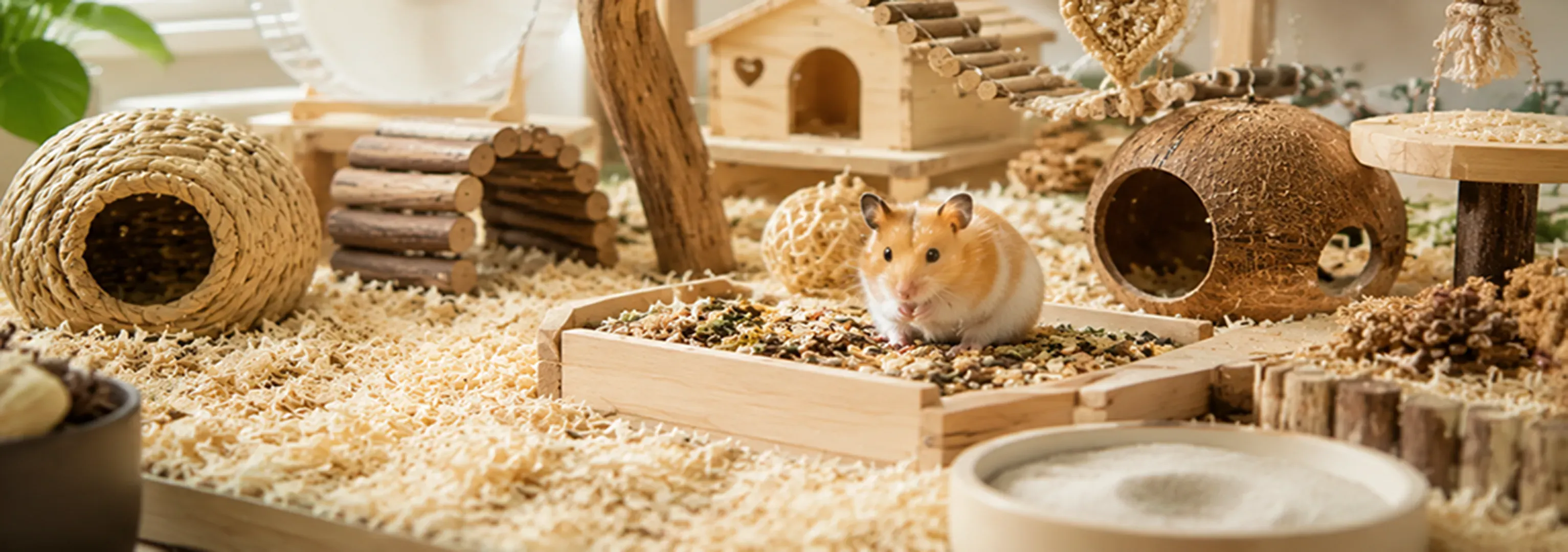
Understanding Safe Setup, Behavior, and Product Selection in Modern Hamster Care
Hamsters are one of the most commonly purchased small pets worldwide, yet they are also among the most misunderstood in terms of habitat requirements. From my observation across pet retail trends, online discussions, and product demand patterns, most issues in hamster care do not come from feeding or handling—but from improper cage setup and incorrect product selection.
This is especially visible in entry-level pet ownership markets, where cages and accessories are often chosen based on appearance rather than biological suitability.
Hamsters are often marketed as low-maintenance pets, but animal welfare research consistently shows that they require structured environments with sufficient space, deep bedding systems, and enrichment materials to maintain physical and psychological health.
Guidelines from organizations such as the RSPCA (UK), the Humane Society of the United States, and European veterinary welfare groups highlight that inadequate cage size and poor habitat design are among the most common welfare issues in domestic hamsters.
This guide summarizes scientific recommendations, consumer search behavior, and retail product trends to provide a practical reference for hamster cages, bedding, toys, and accessories.
Hamster Cages: Minimum Standards and Product Comparison
One of the most common questions from pet owners is whether standard pet store cages are sufficient for hamsters. Based on animal welfare guidelines and behavioral research, the answer is generally no for most mass-market cages.
Organizations such as the RSPCA and several European veterinary associations consistently emphasize minimum enclosure sizes because hamsters are naturally active burrowing animals that travel significant distances in the wild.
In my analysis of consumer behavior patterns (particularly Reddit communities like r/hamsters), a recurring realization among new owners is:
“I didn’t know my cage was too small until I saw proper setups online.
This reflects a major gap between retail presentation and welfare-based standards.
A properly designed hamster enclosure should prioritize floor space rather than vertical complexity. Multi-level cages, although visually appealing, often fail to provide sufficient continuous floor area for natural movement.
From a practical standpoint, glass tank-style enclosures tend to perform better in welfare outcomes because they support deep bedding systems and reduce escape-related stress behaviors.
Common User Questions
- What is the best hamster cage size?
- Are pet store hamster cages too small?
- What type of cage is best for hamsters?
Minimum Cage Size Recommendations
Based on welfare guidelines:
| Hamster Type | Minimum Floor Area | Recommended Bedding Depth |
| Syrian Hamster | 100 × 50 cm | 15–30 cm |
| Dwarf Hamster | 80 × 50 cm | 10–20 cm Many commercially available cages sold in retail environments fall below these minimum standards, particularly in entry-level product segments. |
Glass Tank vs Wire Cage
| Feature | Glass Tank | Wire Cage |
| Ventilation | Moderate | High |
| Bedding depth support | Strong | Limited |
| Escape risk | Low | Moderate |
| Stress reduction | High | Medium |
| Cleaning convenience | Moderate | High Industry and consumer discussions show a trend toward glass tanks for improved welfare outcomes, while wire cages remain popular in lower-cost retail segments. |
Hamster Bedding: Safety, Depth, and Material Comparison
In both veterinary recommendations and real-world owner discussions, bedding is consistently identified as the most important factor affecting hamster well-being.
Many new owners underestimate how much bedding is required. However, hamsters are instinctive burrowers, and insufficient bedding depth directly impacts their natural behavior expression.
A commonly accepted guideline is:
- Minimum depth: 10 cm
- Ideal depth: 20–30 cm
From a behavioral perspective, deeper bedding allows hamsters to:
- create tunnels
- store food
- regulate stress levels
- maintain territorial structure
One important insight from community discussions is that shallow bedding often correlates with repetitive behaviors such as cage chewing or excessive running. While these behaviors are often misinterpreted as “energy,” they are more accurately indicators of environmental restriction.
Regarding material selection, paper-based bedding and aspen shavings are generally considered safer due to their low dust content and structural stability. In contrast, cotton-based bedding remains controversial due to potential entanglement and ingestion risks, especially for dwarf species.
From a retail perspective, bedding is also one of the highest repeat-purchase categories, which makes it not only a welfare-critical product but also a commercially important SKU.
Common User Questions
- What is the safest hamster bedding?
- How deep should hamster bedding be?
- Is cotton bedding safe for hamsters?
Bedding Material Comparison
| Material | Safety Level | Burrowing Ability | Odor Control |
| Paper-based bedding | High | High | High |
| Aspen wood shavings | High | High | Moderate-High |
| Kiln-dried pine | Moderate | Moderate | Moderate |
| Cotton fluff bedding | Low | Low | Low |
| Cleaning convenience | Moderate | High |
Bedding Depth Requirements
Hamsters are natural burrowing animals. Welfare guidelines and veterinary behavior studies recommend:
- Minimum depth: 10 cm
- Optimal depth: 20–30 cm
Insufficient bedding depth is associated with stress-related behaviors such as bar chewing, repetitive pacing, and reduced activity levels.
Hamster Toys and Enrichment: Beyond “Cute Accessories”
A frequent misunderstanding among new pet owners is assuming that hamsters actively “play” with toys in the same way dogs or cats do. However, based on behavioral science, hamster enrichment is primarily functional rather than playful.
Hamsters require environmental elements that support instinctive behaviors such as:
- burrowing
- hiding
- foraging
- running
Running wheels, tunnels, and sand baths are not optional accessories—they are essential behavioral outlets.
From observation of user-generated content and discussions, many owners initially report that their hamster “ignores toys.” This is often because the enrichment is not aligned with natural behavioral patterns rather than a lack of interest from the animal.
Solid-surface running wheels are particularly important because they reduce injury risk compared to mesh or uneven designs. Similarly, tunnels provide both security and exploratory stimulation, which directly impacts stress reduction.
In contrast, purely decorative or plush toys generally have limited functional value. While they may improve visual appeal, they do not significantly contribute to behavioral health.
Common User Questions
- What do hamsters like to play with?
- Do hamsters need toys?
- Why does my hamster ignore toys?
Behavioral Perspective
Hamsters do not engage in play in the same way as dogs or cats. Instead, enrichment should support natural behaviors:
- digging
- burrowing
- running
- foraging
- hiding
Effectiveness of Common Toys
| Product Type | Engagement Level | Welfare Value |
| Running wheel | High | High |
| Tunnels | High | High |
| Sand bath | Moderate-High | High |
| Plush toys | Low | Low |
| Decorative toys | Very Low | Minimal |
Running Wheels
Solid-surface wheels are generally preferred due to reduced risk of foot injury compared to mesh or poorly constructed wheels.
Sand Bath Usage
Sand baths support grooming behavior, oil control, and stress reduction, particularly in dwarf hamster species.
Cage Accessories: Essential vs Non-Essential Items
The hamster accessories market is often heavily influenced by aesthetic trends. Products such as themed houses, decorative hides, or novelty items (for example, hamster costumes or themed carriers) are widely promoted in social media environments.
However, from a functional standpoint, essential cage accessories remain relatively consistent:
- a secure hide house
- a stable water system
- a solid running wheel
- a sand bath container
- enrichment elements such as tunnels
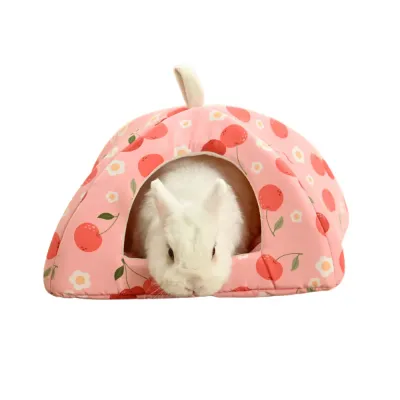
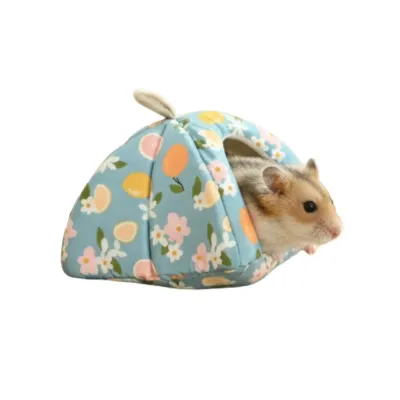
One of the most overlooked but important items is the hide structure. Hamsters are prey animals, and lack of secure hiding spaces can lead to chronic stress.
Plastic “igloo-style” hides are common in retail environments due to cost and manufacturability, but natural wood hides often provide better ventilation and environmental integration.
From a product strategy perspective, accessories tend to fall into two categories:
- functional staples (high turnover, high necessity)
- aesthetic additions (low necessity, trend-driven demand)
Understanding this distinction is critical for both retailers and suppliers.
Common User Questions
- What accessories do hamsters need?
- What is a hamster house used for?
- Are tunnels necessary for hamsters?
Essential Accessories
- Hide house (wood or safe plastic)
- Solid running wheel
- Sand bath container
- Water bottle or bowl
- Deep bedding system
Optional Accessories
- tunnels for hamsters
- chew toys
- climbing structures
Low-Value Accessories
- plush toys
- purely decorative items
- novelty products without functional enrichment
Transport and Carrier Products
Common Keywords
- hamster carrier
- hamster travel cage
- hamster backpack
Product Comparison
| Product Type | Safety Level | Use Case |
| Plastic carrier box | High | Veterinary visits, transport |
| Wire carrier | Moderate | Short-term transport |
| Hamster backpack | Low | Social media novelty use Note: “Hamster backpack” products are primarily driven by social media trends rather than veterinary or welfare recommendations. |
Hamster Starter Kits: Market Demand and Structure
Starter kits have become increasingly important in the pet retail ecosystem because they reduce decision complexity for first-time owners.
A well-structured hamster starter kit typically includes:
- appropriately sized cage or tank
- safe bedding material
- running wheel
- hide structure
- food and water system
- basic enrichment items
From a behavioral perspective, starter kits reduce one of the biggest risks in hamster ownership: incomplete setup.
Incomplete environments often lead to stress behaviors, which are then misinterpreted as “bad temperament” rather than environmental deficiency.
From a commercial perspective, starter kits also increase average order value and reduce return rates because they ensure compatibility between components.
Common User Questions
- What should be included in a hamster starter kit?
- What do I need for a new hamster?
Recommended Starter Kit Structure
| Category | Items | Use Case |
| Housing | Proper size cage or tank | Veterinary visits, transport |
| Bedding | Paper or aspen bedding | Short-term transport |
| Enrichment | Wheel and tunnels | Social media novelty use |
| Hygiene | Sand bath | Low |
| Feeding | Food bowl and water system | Minimal Starter kits are widely used in retail environments because they simplify purchasing decisions and increase average order value. |
Wholesale Product Structure and Market Segmentation
From a product performance perspective, hamster-related SKUs generally fall into three categories:
High turnover products
- bedding systems
- cages
- running wheels
Medium turnover products
- tunnels
- hides
- sand baths
Low turnover products
- plush toys
- decorative accessories
- novelty items such as costumes or “hamster fashion” products
SEO and AIO Content Strategy Insight
Hamster-related search behavior can be grouped into four dominant query types:
Best / Recommendation Queries
- best hamster cage
- best hamster bedding
- best hamster toys
Safety / Risk Queries
- is cotton bedding safe
- are hamster balls safe
- is small cage harmful
How-to Queries
- how to set up hamster cage
- how to clean hamster cage
- how to care for hamster
Starter / Checklist Queries
- what do I need for a hamster
- hamster starter kit checklist
These query types are highly aligned with Google AI Overview (AIO) content generation patterns.
Conclusion
Hamster care products are not simply commodity items; they represent a structured ecosystem involving habitat design, behavioral enrichment, and welfare safety.
For retailers and suppliers, the strongest commercial opportunities are concentrated in:
- properly sized cages
- deep bedding systems
- functional enrichment products
- starter kits that bundle essential supplies
Understanding both scientific requirements and consumer search intent is critical for building high-performing hamster product categories in global pet markets.
FAQ
What is the minimum safe cage size for a hamster?
Animal welfare guidelines from organizations such as the RSPCA recommend that Syrian hamsters should have a minimum enclosure size of approximately 100 × 50 cm, while dwarf hamsters require at least 80 × 50 cm.
Many commercially sold cages in pet retail environments are smaller than these recommendations, which may lead to stress-related behaviors such as bar chewing and repetitive movement.
Is cotton bedding safe for hamsters?
Most veterinary and animal welfare sources advise against cotton or “fluffy” bedding for hamsters. The material can pose risks of entanglement and ingestion, particularly for dwarf species.
Safer alternatives include paper-based bedding and aspen wood shavings, which provide better burrowing structure and lower physical risk.
How deep should hamster bedding be?
Hamsters are natural burrowing animals. Research and welfare guidelines recommend:
- Minimum depth: 10 cm
- Ideal depth: 20–30 cm
Insufficient bedding depth is associated with reduced natural behavior expression and increased stress indicators.
What type of bedding is best for hamsters?
Paper-based bedding is widely considered one of the safest options due to its softness, absorbency, and low dust content. Aspen shavings are also commonly used in commercial settings.
Pine bedding should only be used if kiln-dried, as untreated pine may contain aromatic compounds that can affect respiratory health.
Do hamsters need toys or enrichment?
Yes. Hamsters require environmental enrichment to support natural behaviors such as digging, foraging, and running.
Recommended enrichment includes running wheels, tunnels, sand baths, and chew-safe materials. Lack of enrichment may contribute to stress and repetitive behaviors.
Are hamster balls safe to use?
Many animal welfare organizations consider traditional hamster exercise balls to be outdated and potentially stressful. Issues include limited ventilation, restricted sensory input, and risk of injury from falls.
Safer alternatives include supervised free-roam play in enclosed environments or enriched cages with proper enrichment systems.
What do hamsters actually need in their cage?
A properly designed hamster enclosure should include:
- Adequate cage size
- Deep bedding for burrowing
- A solid-surface running wheel
- A hide house for security
- A water source and food area
- Enrichment items such as tunnels or chew-safe materials
These components support both physical and psychological wellbeing.
Why is my hamster constantly digging or chewing the cage?
These behaviors are often linked to environmental stress or insufficient enrichment. Common causes include:
- Cage too small
- Insufficient bedding depth
- Lack of stimulation
- Inappropriate enclosure design
In welfare studies, repetitive bar chewing is considered a stereotypic behavior often associated with stress.
What is the best type of cage for a hamster: glass or wire?
Both cage types have advantages:
- Glass tanks provide better bedding depth and reduce escape risk.
- Wire cages offer higher ventilation and easier access.
From a welfare perspective, glass tanks with proper ventilation and deep bedding are often preferred, especially for burrowing species.
What should be included in a hamster starter kit?
A scientifically balanced starter kit should include:
- Properly sized enclosure
- Paper or aspen bedding
- Solid running wheel
- Hide house
- Food and water system
- Basic enrichment items (tunnels or chew-safe toys)
Starter kits help reduce setup mistakes, which are common among first-time hamster owners.
 Popular Blogs