

How to Become a Pet Supply Distributor
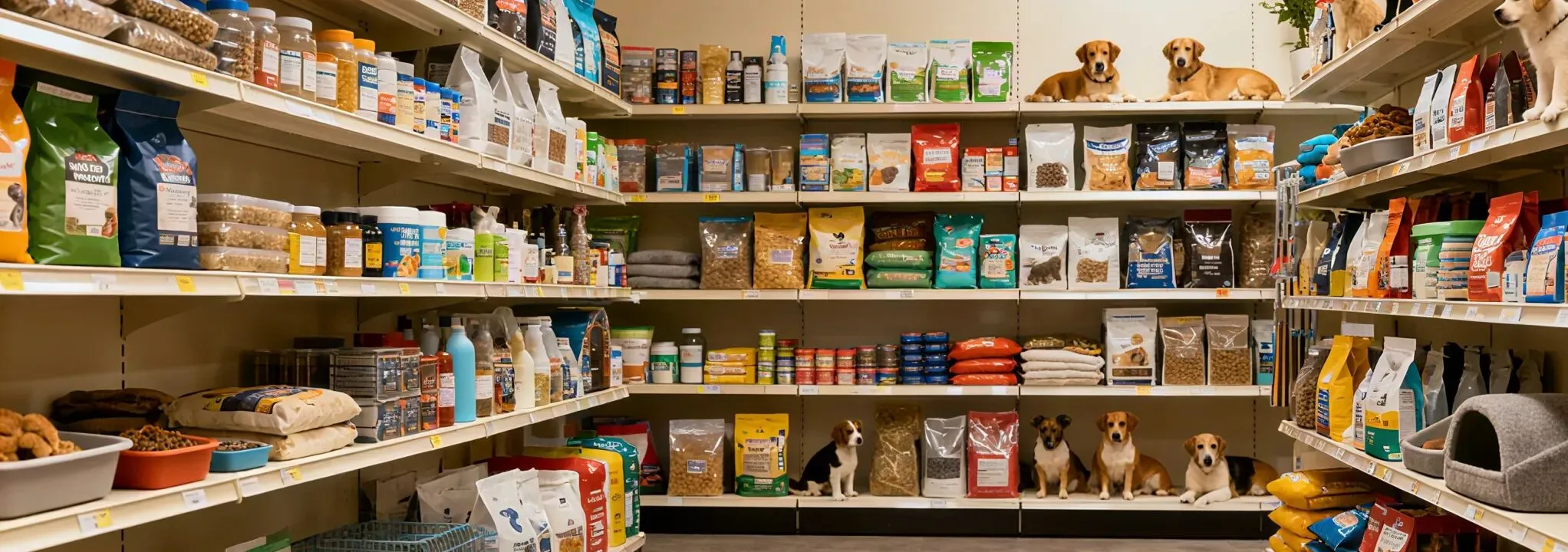
The pet industry has become one of the fastest-growing consumer sectors worldwide. Over the past decade, pet ownership has risen significantly, driven by lifestyle changes, emotional companionship needs, and a growing perception of pets as family members. This shift has transformed the market for pet supplies from a niche segment into a stable, multi-billion-dollar global industry.
In the United States alone, pet owners spent over $140 billion in 2024 on food, toys, accessories, and grooming products—and the number continues to grow each year. Similar trends are seen in Europe and Asia, where younger generations are driving new demand for premium, sustainable, and personalized pet items.
For entrepreneurs and small business owners, this expanding ecosystem presents a unique opportunity. Becoming a pet supply distributor allows you to connect manufacturers with retailers, bridging the gap between production and consumption. As consumer expectations rise, retailers increasingly rely on distributors who can provide wholesale pet supplies that are affordable, high-quality, and delivered on time.
What makes this market especially attractive is its diversity. From pet product sourcing for local stores to managing online supply chains, the business model offers multiple entry points and scalable growth potential. Whether you aim to serve small pet boutiques, online sellers, or large retail chains, there is room for well-prepared distributors who understand how to combine product knowledge with supply chain efficiency.
Step 1: Understand the Pet Supply Market
Before you begin sourcing or selling, it’s essential to understand how the pet supply market works and where the real opportunities lie. Many new distributors make the mistake of jumping straight into bulk purchasing without researching product demand, target customers, and seasonal trends. A clear market overview will help you choose the right direction and reduce startup risk.
1. Major Product Segments
The pet supply market covers a wide range of categories, each with its own customer base, profit margin, and sales cycle.
- Pet Food and Treats: The largest and most stable category, accounting for more than 40% of total industry revenue. These are consumables, meaning repeat purchases and predictable sales. However, competition is intense and storage requirements (especially for natural or refrigerated items) can increase costs.
- Toys and Accessories: High-margin, creative, and trend-driven. This includes chew toys, interactive gadgets, collars, and leashes. The success of this category depends on innovation and branding—perfect for distributors who understand product trends and social media marketing.
- Grooming and Hygiene Supplies: Items like shampoos, brushes, wipes, and dental care products see steady demand and appeal to a wide range of pet owners. They’re light, easy to ship, and suitable for both retail stores and online sellers.
- Pet Apparel and Carriers: A fast-growing niche, especially in urban and fashion-conscious markets. Seasonal styles and holiday-themed products can bring strong short-term spikes in sales.
Understanding these categories helps you determine what type of wholesale pet supplies to start with based on your target market and budget.
2. Identify Your Target Buyers
Your distribution success depends on knowing who you serve. Are your customers local pet stores, groomers, e-commerce retailers, or wholesalers? Each group has different expectations in terms of price, MOQ (minimum order quantity), packaging, and delivery.
For example:
- A local pet boutique may prefer unique, eco-friendly items in small batches.
- An online retailer values fast shipping and competitive pricing from online pet suppliers.
- A regional distributor seeks consistent bulk stock and reliable product replenishment.
Mapping out your buyer personas early helps you focus your pet product sourcing strategy and build long-term partnerships.
3. Track Market Trends
Staying up-to-date with market trends keeps your product selection relevant and profitable. In recent years, several movements have reshaped the industry:
- Sustainability: Eco-friendly packaging and organic materials are in high demand.
- Health & Wellness: Functional treats, supplements, and grooming items with natural ingredients are gaining popularity.
- Pet Tech: Smart collars, feeders, and trackers are emerging as new growth areas.
By monitoring these changes, you can identify gaps in the market and introduce products that meet evolving consumer needs.
4. Evaluate Competition and Pricing
Before investing in inventory, analyze your competitors. Study pricing models, product assortments, and marketing strategies. Use online B2B marketplaces such as Petfairs to benchmark prices and logistics options from verified factories.
Understanding how others price similar products will help you determine your own positioning—whether as a budget-friendly supplier, a premium distributor, or a niche specialist.
5. Build a Data-Driven Foundation
Modern distributors rely on data, not guesswork. Tools like PetMarketData on Petfairs allow you to track top-selling items, regional demand shifts, and seasonal sales cycles. Data-driven insights will help you manage your pet store inventory efficiently and choose the right products to stock or promote.
Step 2: Decide Your Business Model
Once you have a clear understanding of the pet supply market, the next step is to decide how you want to operate. Your business model determines everything—from startup cost and logistics to marketing strategy and profit potential.
The pet distribution industry offers several flexible models, each catering to different business sizes and levels of experience. Choosing the right one helps you scale efficiently and maintain stable cash flow.
1. Wholesale Distribution
This is the most traditional and common approach. As a wholesale pet supply distributor, you purchase products in bulk directly from manufacturers or verified platforms like Petfairs, then resell them to retailers or online merchants at a markup.
Pros:
- Higher profit margins since you control pricing and stock.
- Ability to build strong, long-term relationships with retailers.
- Easier to maintain consistent branding and service quality.
Cons:
- Requires upfront capital for inventory.
- Involves warehousing, storage management, and logistics costs.
- Higher risk if certain products do not sell quickly.
Best for: Businesses with storage capacity and a good understanding of retail demand.
2. Dropshipping Distribution
Dropshipping has gained popularity among new entrepreneurs due to its low-risk nature. Instead of purchasing inventory, you partner with online pet suppliers who ship products directly to your customers under your brand name.
Pros:
- Minimal upfront investment—no warehouse or large stock required.
- Easier to test new products and categories.
- Ideal for cross-border or e-commerce operations.
Cons:
- Lower profit margins since suppliers control product pricing.
- Limited control over packaging, quality, and shipping speed.
- Requires reliable partners to avoid delivery delays or stock issues.
Best for: Startups and small distributors testing the market or running online stores.
3. Private Label (OEM/ODM) Distribution
For those aiming to build a long-term brand, private labeling—working with OEM or ODM manufacturers—is an excellent strategy. You collaborate directly with factories to produce goods under your own brand name, choosing packaging, design, and specifications.
Pros:
- Complete brand control and exclusivity.
- Higher margins and strong customer loyalty.
- Easier to differentiate in competitive markets.
Cons:
- Requires higher upfront investment and larger MOQs (minimum order quantities).
- Product development and testing take time.
- Involves brand marketing and intellectual property management.
Best for: Experienced distributors or brands expanding from retail into manufacturing.
4. Comparison Overview
| Business Model | Upfront Cost | Control Level | Profit Margin | Risk Level | Ideal For |
|---|---|---|---|---|---|
| Wholesale | Medium–High | High | High | Medium | Established distributors |
| Dropshipping | Low | Low | Low–Medium | Low | Beginners & e-commerce sellers |
| Private Label | High | Very High | Very High | Medium–High | Brand builders & long-term investors |
5. Hybrid Models: Combining the Best of Each
Many successful distributors today use hybrid models—for example, combining wholesale and dropshipping. This approach allows flexibility: stocking bestsellers in local warehouses while dropshipping slow-moving or seasonal items.
Some also develop a private-label line for premium clients while maintaining a broad wholesale catalog for volume sales. Platforms like Petfairs support this hybrid approach by offering both ready-to-ship inventory and basic OEM services under one account.
6. Key Considerations When Choosing Your Model
When deciding your model, consider these practical factors:
- Capital & Cash Flow: How much can you afford to invest upfront?
- Storage & Logistics: Do you have space to handle physical stock?
- Target Market: Are you selling to retailers, or direct to consumers?
- Brand Vision: Do you want to build your own brand or act as a connector?
Your model may evolve as your business grows. The key is to start with a structure that fits your current capacity, then scale gradually as your supplier network and buyer base expand.
Step 3: Source Reliable Suppliers
Once you’ve decided on your business model, the next critical step in becoming a successful pet supply distributor is finding trustworthy suppliers. The quality, consistency, and competitiveness of your supply chain will determine your long-term success.
Start by researching verified manufacturers and online pet suppliers that specialize in your chosen product categories—such as pet food, grooming tools, toys, or accessories. Many distributors work directly with factories to obtain wholesale pet supplies at factory-direct prices, allowing them to maintain better margins and quality control. Platforms like Petfairs simplify this process by connecting distributors and retailers with vetted suppliers who already meet export and compliance standards.
When evaluating potential suppliers, look for the following:
- Product quality and certification – Check if the factory can provide testing reports or certificates that meet your target market’s standards (for example, FDA or CE approval).
- Minimum order quantity (MOQ) – Choose suppliers offering flexible MOQs, especially when you’re starting small or testing new product lines.
- Lead time and logistics options – Reliable partners should offer reasonable production and shipping timelines. Some suppliers even provide warehousing and ready-to-ship inventory to reduce waiting times.
- Communication and after-sales support – A responsive supplier can save you countless hours resolving potential issues with packaging, labeling, or replenishment.
Modern pet product sourcing is not just about getting the lowest price—it’s about building long-term partnerships that ensure supply stability and customer satisfaction. As your business grows, maintaining a consistent supplier network will help you expand faster while keeping product standards high.
Step 4: Set Up Logistics and Inventory
Efficient logistics and smart inventory planning are the backbone of every successful pet supply distributor business. Once you’ve secured reliable suppliers, you need a clear system for how products will be stored, shipped, and replenished. Poor logistics can easily turn a profitable deal into a loss due to delays, damage, or excess stock.
Start by deciding whether you’ll handle inventory management yourself or use third-party logistics (3PL) providers. If you’re managing your own warehouse, consider location carefully—being close to your main customer base or shipping hubs can reduce both delivery times and transportation costs. For distributors dealing with multiple brands, organizing a pet store inventory system that tracks SKUs, expiration dates (especially for food), and reorder points is essential.
If you choose a dropshipping or cross-docking model, the advantage is lower storage cost, but you’ll rely more on supplier efficiency. In this case, strong communication and real-time inventory visibility are key. Platforms like Petfairs make it easier for distributors to source and ship directly from verified suppliers with both U.S. and China warehouses—helping you reduce lead time while keeping logistics flexible.
It’s also crucial to diversify your shipping methods. Use express air shipping for high-demand or time-sensitive wholesale pet supplies, and sea freight for bulk restocks. Many distributors find success combining both methods to balance speed and cost.
Finally, set up inventory analytics. Tracking sell-through rates, seasonal demand, and slow-moving SKUs helps you optimize purchasing decisions and avoid overstocking. A well-managed logistics and inventory system not only improves cash flow but also enhances your reputation among retailers who depend on reliable delivery.
Step 5: Build Your Distribution Network
Once your supply chain and logistics are in place, it’s time to focus on the heart of your business—building your distribution network. This network determines how your products reach retailers, online sellers, and end consumers, shaping both your revenue potential and market reputation. A well-built distribution system doesn’t just move products; it builds relationships, trust, and brand recognition.
1. Identify Your Core Customer Segments
Start by defining which types of retailers or partners you want to serve. Are you targeting independent pet stores, online sellers, regional distributors, or large retail chains? Each segment has different purchasing behaviors, volume expectations, and service priorities.
- Local pet shops often look for flexible MOQs and fast replenishment cycles.
- E-commerce resellers value ready-to-ship products and competitive pricing for online sales.
- Chain retailers focus on reliability, uniform packaging, and compliance with brand standards.
Understanding these differences will help you design customized offers and pricing strategies, making your wholesale pet supplies more appealing to each buyer group.
2. Establish Multiple Sales Channels
A successful pet supply distributor doesn’t rely on a single channel. Instead, build a mix of:
- Direct outreach – Contact retailers or online stores through email campaigns, calls, or LinkedIn introductions.
- E-commerce platforms – Join B2B platforms or marketplaces that specialize in pet product sourcing, such as Petfairs, which connects distributors with verified suppliers and active pet retailers worldwide.
- Trade shows and pet expos – Participate in industry fairs to showcase your product range, build visibility, and develop direct relationships with store owners and importers.
- Affiliate or reseller programs – Encourage smaller retailers or online influencers to promote your products for a commission.
The goal is to create steady demand through multiple channels so your distribution network remains stable even if one segment fluctuates.
3. Strengthen Relationships and Trust
Distribution is not purely transactional—it’s relational. Provide consistent communication, reliable delivery, and after-sales service to build long-term loyalty. Offering transparent product information, promotional support, or exclusive early access to new products can set you apart from competitors.
You might also implement a tiered partnership program, rewarding loyal retailers with better prices, marketing materials, or co-branding opportunities. This approach encourages repeat orders and strengthens your position as a trusted pet supply distributor in the market.
4. Use Data to Optimize Performance
Once your network is running, track key performance metrics such as average order size, reorder frequency, delivery time, and customer satisfaction. Data insights can reveal which regions or product categories bring the highest ROI, helping you refine your pet store inventory strategy and marketing efforts.
Modern tools and platforms like Petfairs’ PetMarketData can provide real-time insights into trending items, helping you adjust your sourcing and keep your clients’ shelves filled with fast-moving products.
Step 6: Get Licensed and Stay Compliant
Before officially operating as a pet supply distributor, it’s essential to ensure your business meets all legal and regulatory requirements. Compliance not only protects your company from fines or trade restrictions but also builds credibility with suppliers and buyers who value reliability and transparency.
1. Register Your Business and Obtain Basic Licenses
Start by registering your company with the appropriate local or national authority. Depending on your region, this may include:
- Business registration certificate or incorporation documents.
- Tax identification number to handle domestic or international sales.
- Import/export license if you plan to source or ship products across borders.
If you’re distributing wholesale pet supplies, you might also need a resale permit, which allows you to purchase goods tax-free from manufacturers and sell them to retailers.
2. Meet Product Safety and Labeling Standards
Pet products—especially food, treats, and grooming items—are subject to strict regulations to ensure animal safety. Before listing or distributing any item, verify that your suppliers comply with relevant safety standards such as:
- FDA (U.S.) or CFIA (Canada) for pet food and supplements.
- CE or REACH (EU) for toys and accessories.
- Local labeling laws, including ingredients, expiration dates, and country of origin.
Partnering with verified factories through platforms like Petfairs can simplify this process, as many suppliers already meet export and certification standards required for international pet product sourcing.
3. Manage Import, Export, and Customs Compliance
If your business involves international trade, familiarize yourself with customs codes (HS codes), restricted materials, and documentation needed for each shipment. Proper paperwork—like certificates of origin, packing lists, and invoices—can prevent costly border delays.
Many distributors work with experienced freight forwarders or logistics providers who specialize in pet-related goods to ensure smooth customs clearance.
4. Protect Your Brand and Intellectual Property
As you grow, your reputation becomes one of your most valuable assets. Consider registering your brand name and logo to protect against imitation or unauthorized use. Trademarking also enhances your professional image when approaching new partners and retailers.
In addition, always respect your suppliers’ intellectual property rights—avoid selling unlicensed branded items or replicas, as these can lead to legal and reputational risks.
5. Stay Up to Date with Regulatory Changes
Regulations in the pet industry evolve rapidly—especially regarding sustainability, animal welfare, and ingredient transparency. Subscribe to trade associations or join industry communities to stay informed. Maintaining compliance not only prevents penalties but positions you as a trustworthy, responsible pet supply distributor in the eyes of global buyers.
Step 7: Marketing and Growth Strategies
Once your business is legally compliant and your operations are running smoothly, it’s time to focus on growth. As a pet supply distributor, success depends not only on sourcing the right products but also on building visibility, credibility, and trust among potential buyers. A strong marketing strategy will help you reach more retailers, expand your customer base, and strengthen your brand presence in a competitive market.
1. Build a Professional Online Presence
In today’s market, buyers research online before making purchasing decisions. Create a professional website that showcases your product range, company background, and key advantages—such as low MOQs, quality assurance, and fast shipping.
Your website should clearly communicate what makes you stand out among other online pet suppliers. Include detailed product photos, clear pricing structures (if public), and an easy inquiry or registration form.
To attract organic traffic, use SEO-friendly content that integrates keywords like wholesale pet supplies or pet product sourcing. Writing blog articles about sourcing tips, retail trends, or product spotlights not only boosts visibility but also positions your brand as an industry expert.
2. Leverage Social Media and Digital Marketing
Social media plays a major role in connecting with pet retailers, resellers, and small business owners. Use platforms such as LinkedIn, Facebook, and Instagram to share updates, success stories, and customer testimonials. Visual storytelling—like behind-the-scenes videos of packaging, supplier visits, or warehouse operations—helps humanize your brand and build trust.
You can also invest in paid ads (Google Ads, Meta Ads) targeting keywords such as “pet product wholesale,” “pet shop supplier,” or “pet store inventory.” A modest but well-optimized ad campaign can generate high-quality leads for your distribution business.
3. Participate in Trade Shows and Industry Events
Attending or exhibiting at pet industry trade shows is one of the most effective ways to meet potential clients face-to-face. Events like Global Pet Expo, Interzoo, or China International Pet Show (CIPS) provide valuable networking opportunities and firsthand exposure to new market trends.
If exhibiting is too costly at first, visit as an attendee—collect contacts, study product displays, and observe how top pet supply distributors present their brands.
4. Offer Value-Added Services
To stand out in a crowded market, go beyond simply selling products. Offer services that make your customers’ lives easier—such as private labeling, packaging customization, product recommendations based on sales data, or seasonal trend reports.
Platforms like Petfairs empower distributors to integrate these advantages easily, providing access to verified factories, pet product sourcing data, and ready-to-ship items across major categories.
5. Build Partnerships and Referral Programs
Partnerships with other businesses—such as grooming salons, veterinary clinics, or e-commerce stores—can help you reach a wider audience. Consider creating a referral or affiliate program where partners earn rewards or discounts for bringing in new retail clients.
Strong partnerships also reinforce your credibility and expand your brand reach organically.
6. Scale with Data and Automation
As your customer base grows, manual processes become harder to manage. Implement CRM tools to track leads, automate follow-ups, and analyze purchasing patterns. Use data insights to identify your best-selling categories, optimize pet store inventory, and adjust pricing strategies.
Over time, these tools will help you make data-driven decisions—whether that’s expanding into new markets, adding premium product lines, or adjusting logistics routes for better efficiency.
Common Challenges and How to Overcome Them
Like any business, becoming a pet supply distributor comes with its own set of challenges. From managing supplier relationships to ensuring profitability, each stage of growth brings new obstacles. The good news is that most of these challenges can be anticipated—and effectively managed—with the right strategy and mindset.
1. Finding Reliable Suppliers
The challenge: Many new distributors struggle to find trustworthy factories or wholesalers. Inconsistent quality, communication barriers, or hidden costs can hurt your brand reputation.
How to overcome it:
Work only with verified online pet suppliers or manufacturers that can provide product certificates and stable production capacity. Platforms like Petfairs make this process easier by connecting distributors with vetted factories offering wholesale pet supplies that meet export standards. Start with small test orders to evaluate quality before scaling up.
2. Balancing Inventory and Cash Flow
The challenge: Ordering too much stock ties up your capital, while ordering too little risks stockouts and missed sales opportunities.
How to overcome it:
Use demand forecasting tools or simple inventory management software to track sell-through rates and reorder points. Adopt a flexible inventory strategy—combine bulk purchasing for core items with smaller, frequent restocks for trend-based products. If possible, choose suppliers with ready-to-ship options or local warehousing to shorten lead times and reduce pressure on cash flow.
3. Competing in a Crowded Market
The challenge: The pet industry is growing, but so is competition. Many distributors sell similar items, often competing on price alone.
How to overcome it:
Differentiate through service, not just price. Offer faster delivery, smaller MOQs, or added value such as custom packaging, product data sheets, or marketing support for retailers. Sharing industry insights or trending pet product sourcing data can make you a more strategic partner—not just another supplier.
4. Managing Logistics and Shipping Delays
The challenge: Global shipping disruptions, customs delays, and warehouse inefficiencies can lead to frustrated customers and financial losses.
How to overcome it:
Build a diversified logistics strategy. Work with multiple shipping partners (air, sea, and ground) to balance speed and cost. Always communicate transparently with buyers about estimated delivery times. Some distributors use hybrid systems—holding key inventory locally while sourcing bulk orders internationally—to stay flexible.
5. Maintaining Consistent Product Quality
The challenge: Even a single batch of defective goods can damage your credibility as a distributor.
How to overcome it:
Establish a strict quality control process. Request inspection reports before shipment, or use third-party inspection services. Partner only with pet supply distributors and factories that conduct pre-shipment checks. Petfairs, for example, includes built-in quality inspection for every order to ensure product consistency.
6. Adapting to Market Trends
The challenge: The pet industry evolves quickly—what’s popular this year may not sell next year.
How to overcome it:
Stay proactive. Follow pet trade media, attend expos, and analyze best-seller data regularly. Use tools like Petfairs’ PetMarketData to track trending items, seasonal shifts, and emerging categories. Quick adaptation ensures you’re always offering what the market wants, keeping your wholesale pet supplies portfolio competitive.
7. Building Long-Term Customer Loyalty
The challenge: Retailers often switch suppliers for better prices or faster service.
How to overcome it:
Focus on relationships, not transactions. Offer consistent quality, clear communication, and responsive after-sales service. Reward loyal buyers with better terms or early access to new arrivals. Trust and reliability are what make retailers stick with you long-term.
Conclusion: Start Small, Think Big
Becoming a successful pet supply distributor doesn’t happen overnight. It’s a journey that requires patience, strategy, and a deep understanding of both products and people. The most sustainable distributors didn’t start with massive warehouses or hundreds of clients—they started small, tested the market, learned from each step, and grew with purpose.
Starting small allows you to minimize risk, understand your customers, and refine your sourcing and logistics systems. Each order you fulfill and each supplier relationship you build brings you closer to becoming a trusted name in the wholesale pet supplies market. What truly matters is consistency: reliable products, transparent communication, and steady improvement.
As the global pet industry continues to expand, opportunities are everywhere—from online resellers looking for quality pet product sourcing to brick-and-mortar retailers needing dependable online pet suppliers. The key is to think long-term: build relationships, invest in technology, and focus on value creation, not just volume.
Platforms like Petfairs make this growth journey easier by providing access to verified suppliers, ready-to-ship products, and real-time market insights. But the real success still depends on your mindset—your willingness to adapt, innovate, and keep learning.
So start where you are. Choose a niche, find reliable partners, and grow steadily. In the pet industry, every great distributor begins with a simple idea—to make better products available to the pets and people who love them.
FAQ: How to Become a Pet Supply Distributor
1. What is a pet supply distributor?
A pet supply distributor sources products from manufacturers or verified suppliers and sells them to retailers, online stores, or other businesses. Distributors act as a bridge between manufacturers and retailers, providing reliable supply, competitive pricing, and value-added services.
2. How much money do I need to start a pet supply distribution business?
Startup costs vary depending on your business model:
- Wholesale distribution: Medium to high, due to inventory and warehousing.
- Dropshipping: Low, as you don’t hold stock.
- Private label/OEM: Higher, due to product development and minimum order quantities. Starting small and testing the market can reduce financial risk.
3. How do I find reliable suppliers for pet products?
Look for verified online pet suppliers or factories with certifications and stable production capabilities. Platforms like Petfairs provide access to verified manufacturers, flexible MOQs, and ready-to-ship inventory, making sourcing easier and safer.
4. Do I need a license to distribute pet supplies?
Yes. You must register your business and obtain the necessary permits, such as a resale license, import/export permits, or compliance with product safety regulations. Depending on the products, certifications like FDA approval (for pet food) or CE (for toys) may be required.
5. What types of products are most profitable for distributors?
Top-performing categories include:
- Pet food and treats (high turnover, repeat purchases)
- Toys and accessories (high-margin, trend-driven)
- Grooming and hygiene products (consistent demand)
- Pet apparel and carriers (niche, seasonal spikes)
Diversifying across categories helps balance risk and maximize revenue.
6. Should I manage inventory myself or use third-party logistics?
Both options are valid:
- Self-managed inventory gives more control but requires storage and staff.
- 3PL or dropshipping reduces upfront cost and simplifies logistics but may limit flexibility. Many distributors use a hybrid approach—keeping fast-moving items locally and sourcing bulk stock internationally.
7. How can I grow my customer base as a distributor?
Build a multi-channel strategy:
- Direct outreach to pet stores and online sellers
- Join B2B marketplaces for pet product sourcing
- Attend trade shows and industry events
- Offer value-added services like marketing support, private labeling, or inventory insights
Strong relationships, consistent service, and reliable delivery are key to retention.
8. What are common challenges new pet supply distributors face?
- Finding reliable suppliers
- Balancing inventory and cash flow
- Competing in a crowded market
- Managing logistics and shipping delays
- Maintaining consistent product quality
Each challenge can be mitigated with careful planning, verified partners, and data-driven inventory management.
9. How can platforms like Petfairs help me as a distributor?
Platforms like Petfairs simplify sourcing, logistics, and market research by providing:
- Verified suppliers and factories
- Ready-to-ship wholesale pet supplies
- Low MOQ options for testing products
- Real-time market insights through tools like PetMarketData
These resources reduce risk, save time, and help distributors scale efficiently.
Ready to Start Your Pet Supply Distribution Journey?
Take the first step toward building a successful pet supply business today. Explore verified suppliers, discover trending products, and access low-MOQ, ready-to-ship wholesale pet supplies with platforms like Petfairs. Whether you’re a new entrepreneur or an experienced retailer, the right partners and insights make all the difference.
👉 Start sourcing now and grow your pet supply network with confidence!





 Popular Blogs