
The Hidden High-Margin Opportunity in Reptile Pet Retail

The global pet industry is becoming more competitive every year.
For independent pet retailers, ecommerce sellers, and boutique pet businesses, finding profitable products is no longer simply about sourcing cheap inventory. In 2026, success increasingly depends on finding categories with:
- Lower competition
- Higher perceived value
- Better branding potential
- Strong visual merchandising
- Healthier margins
- Sustainable long-term demand
For years, most retailers focused heavily on mainstream categories like dog toys, pet apparel, cat furniture, and feeding accessories. Those markets remain large, but they are also becoming saturated.
Search almost any common pet keyword online and you will see the same problem:
Thousands of sellers competing on nearly identical products.
Margins shrink quickly when marketplaces become overcrowded.
That is why many modern retailers are beginning to explore niche pet categories — especially exotic pet accessories.
One category quietly becoming more important is:
Reptile Habitat Accessories
This includes:
- Reptile hides
- Terrarium decor
- Climbing structures
- Habitat enrichment
- Feeding accessories
- Environmental setup products
At first glance, these may seem like niche products with limited demand.
But from a retail strategy perspective, reptile habitat accessories actually solve many of the biggest problems modern pet sellers face.
They are:
| Retail Advantage | Why It Matters |
| Lower competition | Easier differentiation |
| Strong perceived value | Better pricing flexibility |
| Lightweight shipping | Better global logistics |
| Visual merchandising appeal | Better social commerce performance |
| Bundle-friendly | Higher average order value |
| Content-friendly | Strong SEO and TikTok potential |
| Less price-sensitive customers | Better margins For global wholesale platforms like Petfairs, which support retailers, online sellers, boutiques, subscription box businesses, and distributors worldwide, this category represents more than just another product line. It reflects a larger shift happening inside the pet industry itself. |
The Pet Industry Is Growing — But Retail Competition Is Changing Faster
According to the American Pet Products Association (APPA), U.S. pet industry spending reached approximately $158 billion in 2025 and is expected to continue growing in 2026.
However, rapid industry growth does not automatically create easier retail opportunities.
In fact, many mainstream pet categories are becoming more difficult for smaller sellers.
The Problem With Traditional Pet Categories
Today, categories like dog toys and pet apparel face intense saturation.
| Category | Market Competition |
| Dog toys | Extremely High |
| Pet apparel | Very High |
| Cat accessories | High |
| Generic feeding products | Very High |
| Reptile habitat accessories | Moderate |
| Exotic pet decor | Lower This creates several problems for retailers: |
- Heavy price wars
- Rising advertising costs
- Lower profit margins
- Difficulty standing out
- Duplicate product catalogs
Many online sellers are discovering that selling the same dog toy as thousands of competitors is becoming increasingly difficult.
As a result, retailers are starting to shift toward:
Lower-competition niche categories.
This is one reason exotic pet products are attracting more attention.
Why Exotic Pets Are Becoming More Popular
The exotic pet market has grown steadily over the last several years.
According to Grand View Research, the global exotic pet market is projected to continue expanding through the next decade, supported by rising ownership of:
- Reptiles
- Amphibians
- Birds
- Small mammals
- Aquarium species
Several social and lifestyle trends are driving this growth.
Smaller Living Spaces
Many younger consumers live in apartments or smaller homes.
Reptiles often require less physical space compared to larger dogs.
This makes them attractive for urban lifestyles.
Lower Daily Maintenance
Many reptiles require less daily interaction than traditional pets.
Busy consumers sometimes prefer pets that fit flexible schedules.
Social Media Influence
Platforms like TikTok, Instagram, Pinterest, and YouTube have dramatically increased interest in visually appealing habitats.
Terrarium setup videos regularly generate strong engagement.
Consumers increasingly see reptile ownership as both:
- Pet ownership
- Aesthetic hobby culture
Hobby-Based Purchasing Behavior
Reptile owners often invest heavily into habitat customization.
This is extremely important from a retail perspective.
Dog owners may buy occasional accessories.
Reptile owners often build entire ecosystems.
That difference changes purchasing behavior dramatically.
Reptile Owners Buy Ecosystems — Not Individual Products
One of the most important reasons reptile categories are interesting for retailers is the ecosystem purchasing model.
Traditional pet purchases are often simple.
A dog owner may buy:
- A leash
- A toy
- A bed
But reptile owners frequently purchase multiple coordinated products simultaneously.
Typical Reptile Habitat Product Ecosystem
| Product Type | Typical Role |
| Reptile hide | Security and stress reduction |
| Climbing decor | Enrichment |
| Feeding dishes | Functionality |
| UVB lighting | Health support |
| Habitat substrate | Environmental realism |
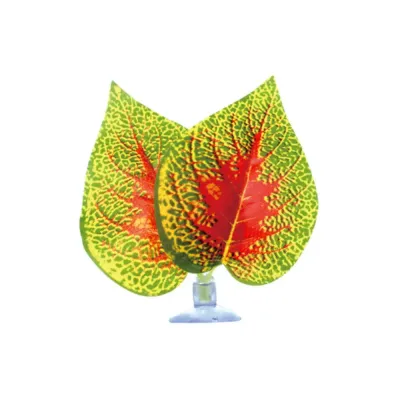
| Artificial plants | Decoration |
| Basking platforms | Comfort |
| Thermometers | Habitat management This ecosystem behavior creates several advantages for retailers: |
- Higher average order value
- More cross-selling opportunities
- Better bundling potential
- Stronger repeat purchases
This is one reason many niche pet categories can outperform highly competitive mainstream categories on a per-customer basis.
Why Reptile Hides Are an Underrated High-Margin Product
One particularly interesting product category is:
Reptile Hides
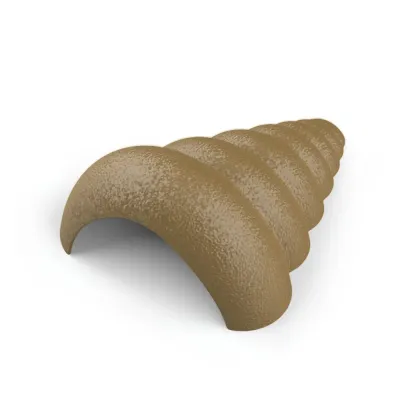
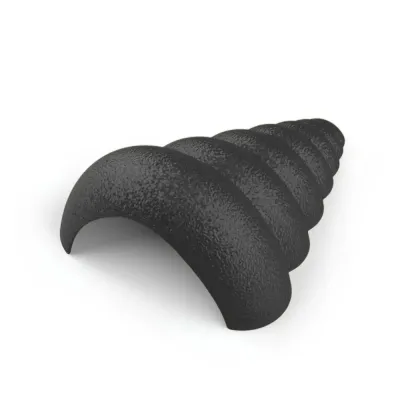
A reptile hide is a shelter structure placed inside a habitat to help reptiles feel secure.
These products may look simple, but they are strategically attractive for retailers.
Strong Perceived Value
One of the most important drivers of retail margin is perceived value.
Consumers rarely evaluate reptile hides based on raw manufacturing cost.
Instead, they evaluate:
- Habitat realism
- Natural aesthetics
- Species compatibility
- Safety
- Environmental quality
This creates premium pricing opportunities.
Example Margin Comparison
| Product | Estimated Wholesale Cost | Typical Retail Price | Margin Potential |
| Generic plush dog toy | $4–$8 | $12–$18 | Medium |
| Reptile hide | $3–$6 | $15–$25 | High |
| Habitat decor cave | $6–$10 | $25–$45 | High |
| Cat bed | $12–$25 | $30–$50 | Medium These ranges vary by market and positioning, but they demonstrate an important point: |
Habitat products often carry higher perceived value than expected.
Lower Competition Creates Better Positioning
The dog toy market is extremely crowded.
Search terms like:
- wholesale dog toys
- squeaky dog toys
- pet chew toys
are highly competitive across Amazon, Alibaba, Temu, and independent ecommerce stores.
But reptile habitat accessories remain significantly less saturated.
This creates stronger opportunities for smaller sellers.
Comparison: Mainstream vs Niche Pet Categories
| Factor | Dog Toys | Reptile Accessories |
| Amazon competition | Extremely High | Moderate |
| SEO difficulty | High | Lower |
| Price wars | Frequent | Less common |
| Brand differentiation | Difficult | Easier |
| Niche authority | Weak | Strong |
| Visual uniqueness | Lower | Higher For independent retailers, lower competition often matters more than total market size. |
Reptile Products Perform Well on Social Media
Modern ecommerce increasingly depends on content.
Products that generate visually interesting content usually perform better online.
Reptile habitats naturally support:
- Before-and-after videos
- Setup tutorials
- Terrarium transformations
- Habitat inspiration content
- Species-specific environments
This is especially important for:
- TikTok sellers
- Pinterest-driven ecommerce
- Instagram stores
- Social commerce businesses
Pinterest and TikTok perform particularly well for habitat-focused content because visual environments generate stronger engagement than generic product listings.
Why Habitat Products Work Better Than Commodity Products
Modern consumers increasingly buy experiences rather than isolated products.
This trend appears across multiple industries.
In pet retail, consumers are shifting toward:
Environment-focused spending.
Examples of Habitat-Based Spending
| Pet Category | Environment Trend |
| Cats | Cat walls and climbing systems |
| Dogs | Enrichment setups |
| Fish | Aquascaping |
| Reptiles | Naturalistic terrariums |
| Small mammals | Habitat enrichment This shift matters because environment-based categories usually support: |
- Higher order values
- More accessories per customer
- Better visual merchandising
- Better storytelling
Reptile habitats fit this trend extremely well.
Why Smaller Retailers Are Looking for Niche Categories
Small retailers face different challenges than major chains.
Most independent businesses cannot compete on:
- Massive advertising budgets
- Ultra-low pricing
- Huge inventory scale
Instead, they compete through:
- Curation
- Expertise
- Community
- Niche positioning
That is why niche categories matter so much in 2026.
Common Problems Facing Small Pet Retailers
| Retail Problem | Impact |
| Rising ad costs | Lower profitability |
| Saturated marketplaces | Lower visibility |
| Generic product catalogs | Weak branding |
| Large MOQ requirements | Higher inventory risk |
| Fast trend cycles | Overstock risk Exotic pet accessories help solve several of these problems because they are: |
- Easier to differentiate
- More niche-focused
- Less saturated
- Easier to merchandise creatively
Realistic Challenges Retailers Should Understand
A trustworthy retail strategy should also acknowledge risks.
Reptile categories are promising, but they are not perfect.
Smaller Overall Market Size
The reptile market is still smaller than mainstream dog and cat categories.
Retailers should not expect immediate high-volume sales.
However, niche categories often produce stronger margins per sale.
Education Requirements
Reptile products are more species-specific.
Retailers need basic understanding of:
- Habitat needs
- Species differences
- Temperature requirements
- Safe materials
Educational content becomes important.
Slower Initial Turnover
Impulse purchases may be slower compared to cheap dog toys.
But niche hobby customers often have higher long-term value.
Product Safety Matters
Poor-quality habitat products can create customer complaints.
Retailers should prioritize reliable suppliers with consistent quality standards.
Starter Strategy for Retailers Entering the Reptile Category
Many retailers fail because they overbuy too quickly.
A smarter strategy is gradual niche testing.
Recommended Beginner Strategy
| Step | Recommendation |
| Initial SKU count | 10–20 SKUs |
| Best starter species | Bearded dragons or geckos |
| Product focus | Hides + decor + enrichment |
| Inventory model | Small-batch testing |
| Content strategy | Habitat inspiration videos |
| Merchandising strategy | Bundle collections This approach reduces inventory risk while helping retailers learn the category gradually. |
Example Reptile Merchandising Strategy
One of the biggest advantages of reptile categories is bundle merchandising.
Instead of selling isolated products, retailers can create complete habitat experiences.
Example Bundle: Beginner Desert Habitat Kit
| Included Product | Purpose |
| Rock-style reptile hide | Security |
| Desert decor plant | Visual realism |
| Climbing platform | Enrichment |
| Feeding bowl | Functionality |
| Habitat background | Better aesthetics Bundle strategies often improve: |
- Average order value
- Conversion rates
- Customer satisfaction
- Repeat purchases
Why SEO Opportunities Are Stronger Than Most Retailers Realize
Many reptile-related keywords still have relatively low competition compared to mainstream pet terms.
This creates strong SEO opportunities.
High-Potential SEO Keywords
| Keyword Type | Example |
| Wholesale intent | reptile supplies wholesale |
| Product intent | reptile hide for bearded dragon |
| Informational | how to build a reptile habitat |
| Commercial | best reptile accessories |
| Niche retail | exotic pet products for retailers Compared to highly competitive dog keywords, many reptile-related terms remain easier to rank for. This matters because organic traffic acquisition costs continue rising. |
Why Content Strategy Matters More in 2026
The future of ecommerce increasingly belongs to brands that also function as media platforms.
Retailers that publish educational, niche-focused content often gain:
- Better SEO rankings
- Stronger customer trust
- Higher conversion rates
- More repeat customers
For reptile categories, effective content includes:
- Habitat tutorials
- Setup inspiration
- Species-specific care guides
- Terrarium design ideas
- Before-and-after habitat transformations
This type of content performs especially well on:
| Platform | Best Content Type |
| TikTok | Habitat setup videos |
| Terrarium inspiration | |
| Aesthetic habitat photos | |
| Google SEO | Educational guides |
| YouTube Shorts | Quick habitat transformations |
Why Flexible Sourcing Matters More Than Ever
Modern retailers increasingly prioritize flexibility over scale.
This is especially true for niche categories.
Instead of committing to massive inventory purchases, many retailers prefer:
- Lower MOQ sourcing
- Mixed wholesale orders
- Multi-category testing
- Faster trend adaptation
This is one reason global sourcing platforms like Petfairs are becoming increasingly relevant for independent retailers.
Retailers today are not simply looking for suppliers.
They are looking for:
- Product discovery
- Trend flexibility
- Lower inventory risk
- Easier category testing
- Cross-border logistics support
For niche categories like reptile accessories, flexibility often matters more than massive scale.
The Bigger Shift Happening in Pet Retail
The most important shift in pet retail is not simply product demand.
It is specialization.
Consumers increasingly prefer stores that feel:
- Curated
- Passionate
- Community-driven
- Knowledgeable
- Niche-focused
This creates opportunities for smaller retailers willing to specialize strategically.
Many successful pet businesses in the future may not be giant stores selling everything.
Instead, they may become:
- Habitat specialists
- Exotic pet experts
- Enrichment-focused retailers
- Community-based niche brands
This trend strongly favors emerging categories like reptile habitat accessories.
Final Thoughts
The pet industry is evolving rapidly.
While dog and cat products remain massive categories, competition inside those markets continues intensifying.
As a result, many independent retailers are exploring niche categories that offer:
- Lower competition
- Better differentiation
- Higher perceived value
- Stronger branding potential
- Better SEO opportunities
Reptile habitat accessories fit this trend remarkably well.
Compared to heavily saturated categories, they provide several strategic advantages:
| Strategic Advantage | Retail Impact |
| Lower marketplace competition | Easier positioning |
| Strong perceived value | Better pricing flexibility |
| Habitat ecosystem purchasing | Higher average order value |
| Visual merchandising appeal | Better social commerce potential |
| Lightweight shipping | Better global scalability |
| Long-tail SEO opportunities | Easier organic traffic growth For modern retailers, success increasingly depends on finding products that are not only profitable — but also strategically differentiated. The future of pet retail may not belong to businesses selling the cheapest products. It may belong to the businesses discovering profitable niche opportunities before the rest of the market catches up. |
FAQ
Are reptile habitat accessories really profitable for small pet retailers?
Yes. Reptile habitat accessories often have stronger perceived value compared to many mainstream pet products. Categories like reptile hides, terrarium decor, climbing accessories, and habitat kits usually face lower competition than dog toys or pet apparel, which can help independent retailers maintain healthier margins.
Many reptile products also support bundle selling, which increases average order value.
Why are exotic pet products becoming more popular?
Several trends are driving growth in exotic pet ownership:
- Smaller living spaces
- Rising interest in hobby-based pets
- Social media influence
- Aesthetic terrarium culture
- Younger consumers seeking niche pets
Reptiles are increasingly viewed as both pets and lifestyle hobbies, which encourages higher spending on habitat accessories and decor.
What are the best reptile products for pet stores to start with?
Retailers entering the reptile category usually start with:
- Reptile hides
- Feeding bowls
- Climbing branches
- Artificial habitat plants
- Basking platforms
- Terrarium decor
These products are easier to merchandise and often work well for both online and physical retail.
Are reptile products good for ecommerce and TikTok selling?
Yes. Reptile habitat products perform particularly well on visual platforms like:
- TikTok
- Instagram Reels
- YouTube Shorts
Terrarium setup videos, habitat transformations, and aesthetic reptile environments generate strong engagement compared to generic product-only posts.
Why do reptile products often have better margins than common dog products?
Mainstream dog categories are highly saturated. Thousands of sellers compete on identical products, which creates heavy price competition.
Reptile accessories typically have:
- Lower marketplace saturation
- More niche audiences
- Stronger perceived expertise
- Better visual uniqueness
This allows retailers to position products more strategically.
What are the biggest risks when selling reptile accessories?
Retailers should understand several challenges:
- The reptile market is smaller than dog and cat markets
- Some products require species-specific knowledge
- Product quality and safety are important
- Initial sales volume may grow more slowly
However, niche categories often build stronger long-term customer loyalty.
How many reptile SKUs should new retailers start with?
Most smaller retailers should begin with:
- 10–20 SKUs
- 1–2 target reptile species
- A mix of hides, decor, and enrichment products
This reduces inventory risk while allowing sellers to test demand gradually.
Why are habitat bundles effective in reptile retail?
Reptile owners frequently purchase multiple coordinated products together.
For example, a beginner habitat bundle may include:
- Reptile hide
- Feeding bowl
- Habitat plant
- Climbing platform
- Background decor
Bundles help increase:
- Average order value
- Customer satisfaction
- Repeat purchases
 Popular Blogs