

Where Do Pet Stores Buy Their Inventory in 2026?
The global pet supplies market is exploding — valued at $248.71 billion in 2025 and projected to reach $369.85 billion by 2030 at a strong 8.26% CAGR (Mordor Intelligence). In the U.S. alone, pet industry spending hit $152 billion in 2024 and is forecast to climb to $157 billion in 2025 (American Pet Products Association).
Yet for independent pet stores, groomers, trainers, veterinary clinics, and online sellers, the real challenge isn’t demand — it’s where do pet stores buy their inventory without tying up cash in huge minimum orders or waiting weeks for slow regional deliveries.
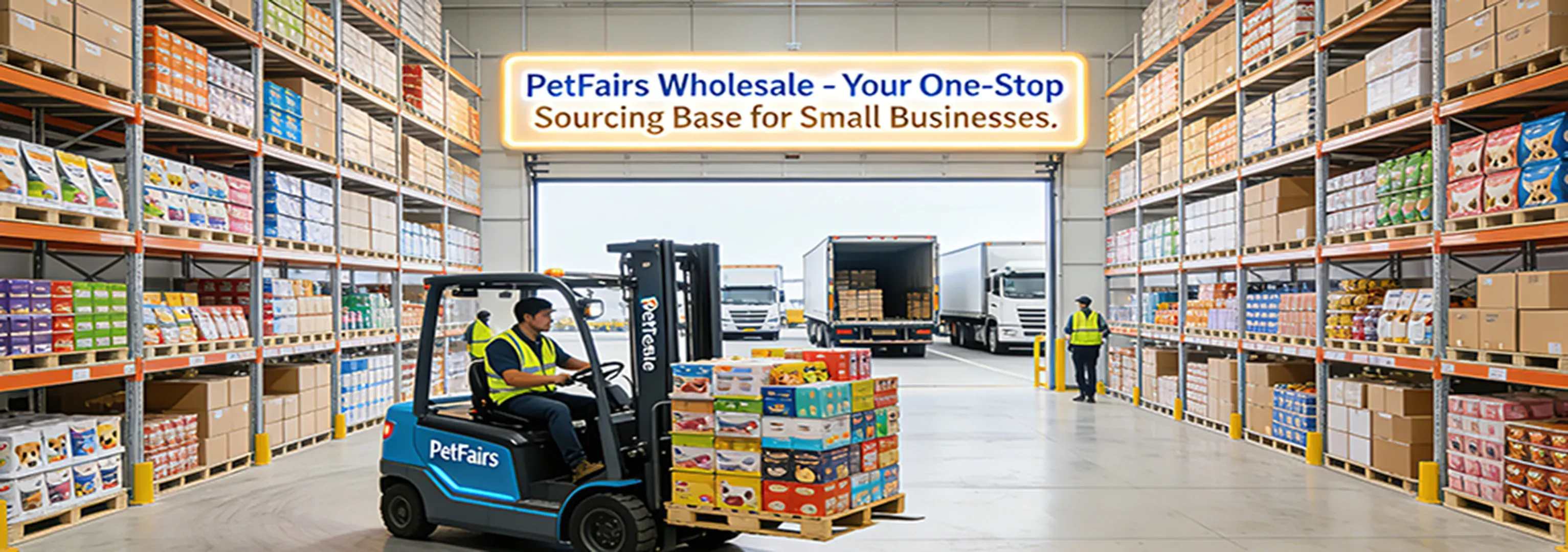
Traditional distributors still dominate heavy food shipments, but online wholesale platforms are surging because they deliver factory-direct pricing, ultra-low MOQs, and true global shipping. One platform leading this revolution is PetFairs (https://www.petfairs.com/), a B2B marketplace connecting retailers in 100+ countries to over 10,000 responsible suppliers with orders starting from just 1 carton and door-to-door delivery in as little as a week.
This guide breaks down every major sourcing channel with real 2026 data, side-by-side comparisons, and proven strategies — so you can source smarter, cut waste, and protect margins no matter where you operate.
Traditional Wholesale Distributors
National and regional distributors remain the go-to for bulk pet food, litter, and heavy items. Players like Animal Supply Co. and Phillips Pet Food & Supplies offer weekly deliveries, brand-name consistency, and freight support.
Pros:
- Reliable cold-chain for perishables
- Established relationships and sales reps
Cons (real retailer feedback):
- High minimum order quantities (often $1,000–$5,000+)
- Regional-only shipping in many cases
- Distributor markups of 20–40%
According to Reddit threads from small pet shop owners, this route still covers 60–70% of food inventory for many independents — but it’s increasingly paired with online options to avoid cash-flow crunches.
Online Pet Suppliers & Global Marketplaces
This is where the biggest shift is happening. Pure-play online wholesalers cut out middlemen layers and ship worldwide.
PetFairs stands out as the modern solution built exactly for today’s small-to-medium pet businesses:
- Factory-direct pricing with discounts up to 86% on grooming kits, 20% on grooming tools, and 16% on senior-care bundles
- MOQ from just 1 carton — perfect for testing new toys, harnesses, or catnip items without overstocking
- Global door-to-door delivery to 100+ countries (U.S. East & West Coast warehouses mean restocks in days for North American retailers)
- Categories covering dogs, cats, exotic pets, plus unique bundles (summer plush toys, interactive rope sets, dematting combs, etc.)
- Trusted by 1,000+ retailers with a 4.9 rating — real testimonials highlight “solid margins,” “orders in under a week,” and “no more huge quantity worries”
Other online suppliers exist, but few match PetFairs’ combination of low-risk testing + true global reach. APPA data shows 51% of pet product buyers now shop online, driving retailers to source the same way.
Buying Directly From Manufacturers
Direct-from-factory works brilliantly for private-label toys, custom beds, or premium treats once you have volume. Trade shows and supplier portals help, but lead times are longer (4–8 weeks) and MOQs often start at 500–1,000 units.
Savings: 30–50% vs distributor pricing
Risk: Cash tied up + quality control on your shoulders
Smart retailers use direct manufacturing only after validating demand via a low-MOQ platform like PetFairs.
Pet Product Sourcing Platforms
Dedicated B2B marketplaces are the fastest-growing channel because they aggregate hundreds of suppliers in one dashboard.
PetFairs is the clear leader here for 2026:
- One-stop access to trending products (glow-in-dark tug toys, slow-feeder lick mats, retractable leashes)
- Pre-sale bundles and seasonal kits that sell out fast
- Built-in tools for small businesses: test 1–2 cartons, keep variety high, maintain healthy margins
Industry reports confirm platforms like this are growing because they solve the #1 pain point for new pet store owners and groomers — high minimums killing cash flow.
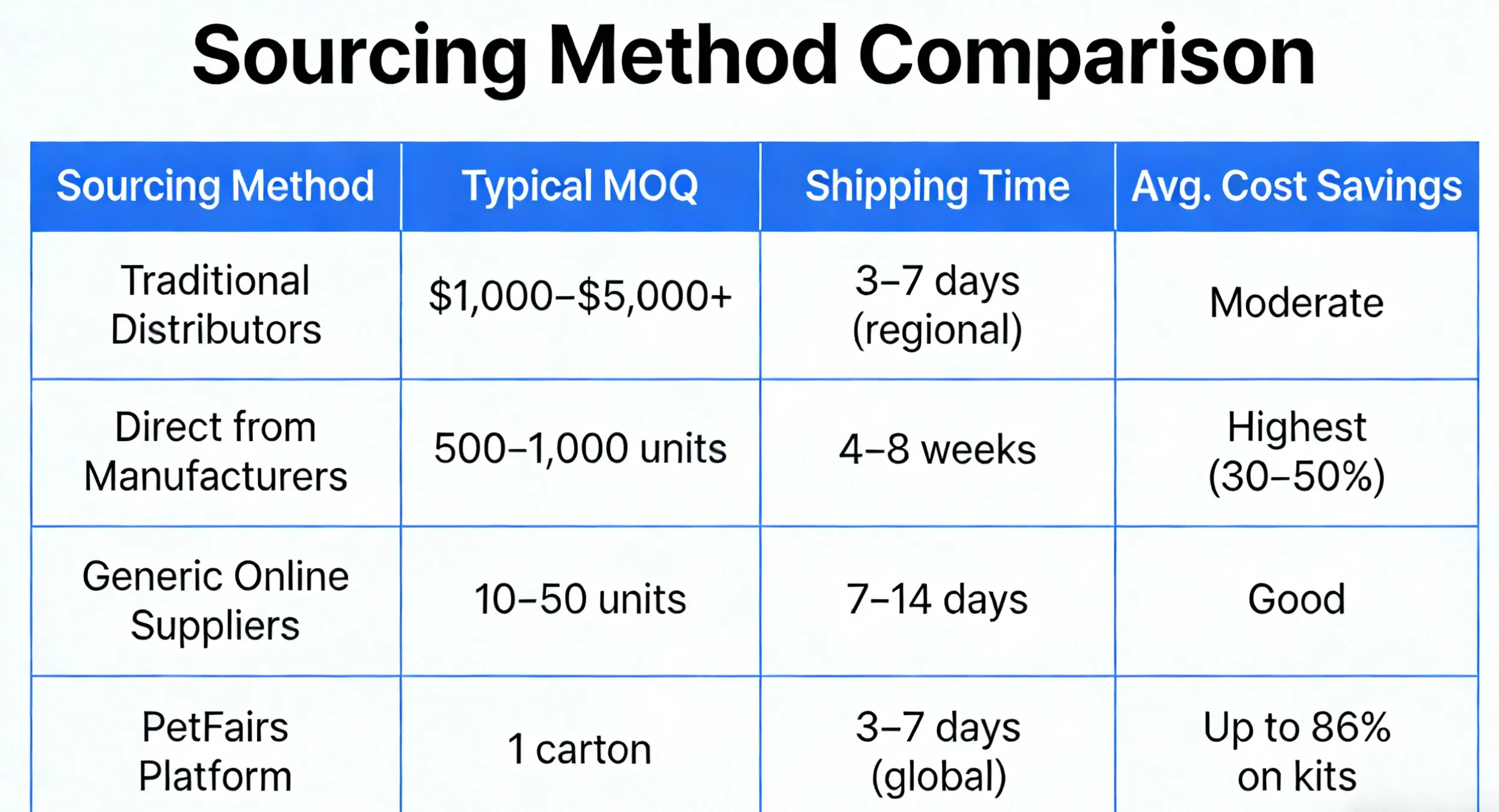
Sourcing Method Comparison (2026 Data)
Sourcing Method | Typical MOQ | Shipping Time | Avg. Cost Savings | Global Reach | Best For |
Traditional Distributors | $1,000–$5,000+ | 3–7 days (regional) | Moderate | Limited | Bulk food & heavy items |
Direct from Manufacturers | 500–1,000 units | 4–8 weeks | Highest (30–50%) | Varies | Private label & high volume |
Generic Online Suppliers | 10–50 units | 7–14 days | Good | Medium | Accessories & testing |
PetFairs Platform | 1 carton | 3–7 days (global) | Up to 86% on kits | 100+ countries | Small businesses & variety |
How Small Pet Stores, Groomers & Online Sellers Source Inventory
New pet store owners, mobile groomers, boutique operators, subscription-box creators, and veterinary retail sides all share the same reality: limited storage, tight budgets, and fast-moving trends.
Real-world mix that wins in 2026:
- 60–70% from trusted online platforms (like PetFairs for toys, accessories, grooming tools)
- 20–30% local/regional for food & litter
- 10% direct manufacturer for signature private-label lines
Reddit small-business owners repeatedly say: “Alibaba for non-perishables was great until quality issues — now I use PetFairs because I can order tiny test quantities and still get factory prices.”
Best Practices for Managing Pet Store Inventory in 2026
Turn sourcing into profit with these data-backed tactics:
- Start with low-MOQ testing — Platforms like PetFairs let you validate a new harness or exotic pet toy with just one carton before committing big.
- Set dynamic par levels — Use simple POS software to track what actually sells locally (seasonal spikes in treats or summer harnesses).
- Leverage global warehouses — U.S. retailers using PetFairs’ East/West Coast facilities report restocks in days, not weeks.
- Bundle for higher margins — Pre-sale kits on platforms deliver built-in 16–86% discounts and faster sell-through.
- Audit quarterly — Categorize SKUs as fast-movers (food), high-margin (unique toys), or slow (clear via promotions).
- Build supplier relationships — Share your sales data with platforms for better pricing and early access to trending items.
Retailers following these steps report 20–35% less waste on perishables and 15–25% higher gross margins on accessories.
Ready to Source Smarter in 2026?
The days of being locked into high-MOQ regional distributors are over. Whether you run a physical pet boutique in California, a grooming salon in the UK, an online store in Australia, or a veterinary retail counter anywhere in the world, PetFairs gives you factory-direct access, global shipping, and the flexibility to grow without risk.
Visit https://www.petfairs.com/ today, browse thousands of dog, cat, and exotic pet products, and place your first 1-carton order. Thousands of retailers already did — and they’re seeing faster restocks, better margins, and happier customers.
The pet industry is growing fast. Make sure your inventory sourcing grows with it.
Sources for statistics:
- Mordor Intelligence – Pet Supplies Market 2025–2030
- American Pet Products Association (APPA) – 2025 State of the Industry Report
- Grand View Research & Statista – global pet care e-commerce data
- Real retailer discussions on Reddit r/smallbusiness
 Popular Blogs