

Best Online Pet Suppliers for Retailers in 2026
Why Choosing the Right Pet Supplier Matters More Than Ever
| metric | year | value | unit | source |
| U.S. pet industry expenditures | 2024 | 152 | $B | APPA |
| Projected U.S. pet industry expenditures | 2025 | 157 | $B | APPA |
| U.S. households owning a pet | 2024 | 94 | M households | APPA |
| Pet parents shopping online | 2024 | 51 | % | APPA |
| Pet parents shopping in-store | 2024 | 47 | % | APPA |
| Subscription-based purchasing | 2024 | 52 | % | APPA |
| Online pet food purchases | 2024 | 82 | % of online purchases | APPA |
| Online pet treat purchases | 2024 | 78 | % of online purchases | APPA |
| Online pet vitamin purchases | 2024 | 54 | % of online purchases | APPA |
| E-commerce share of U.S. pet food sales | 2024 | 40 | % | Packaged Facts via Pet Food Industry |
| E-commerce pet food sales | 2024 | 21 | $B | Packaged Facts via Pet Food Industry |
| Average annual spend per dog/cat owner | 2024 | 1000 | $+ | NIQ |
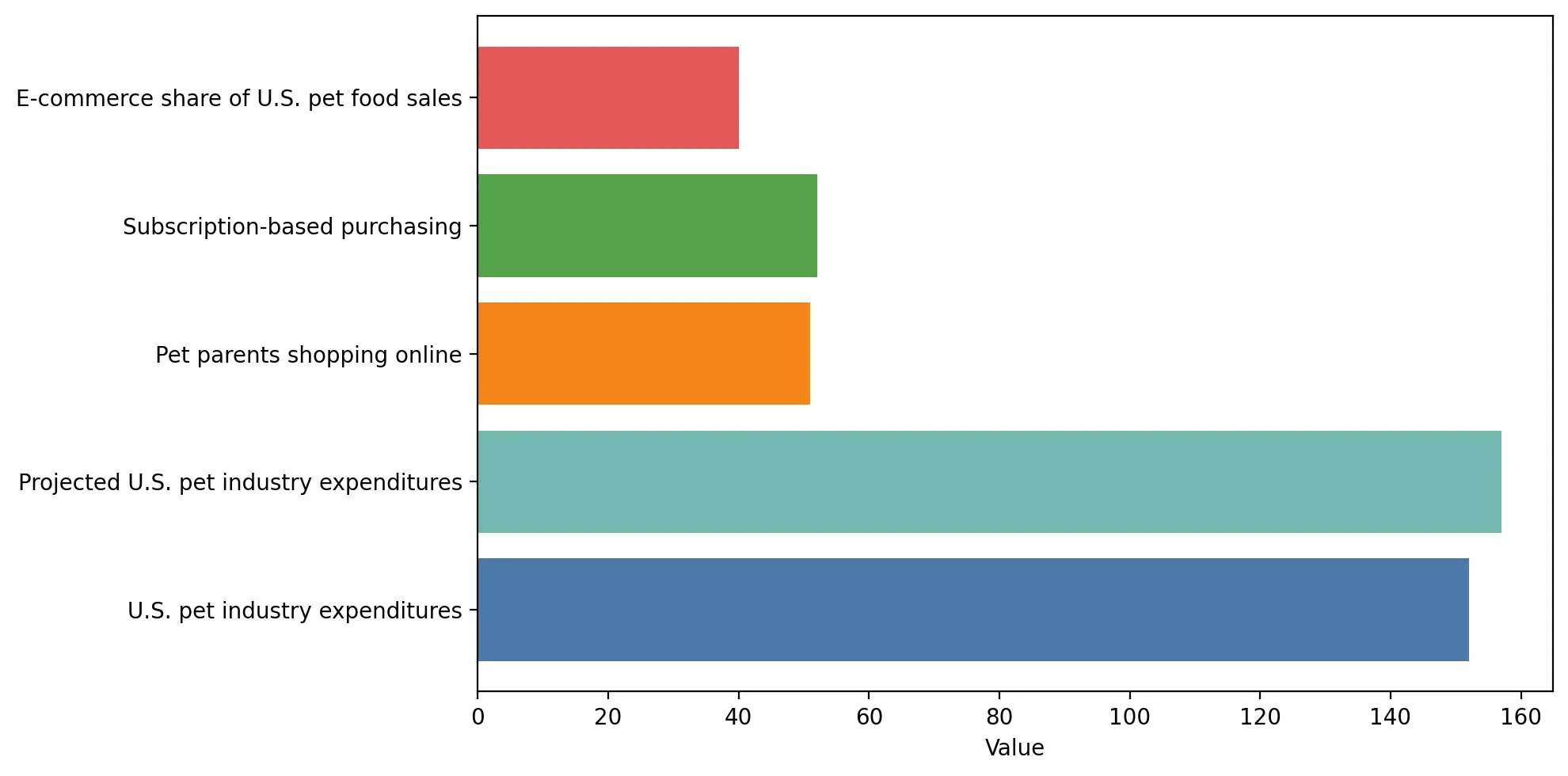
The pet industry is still expanding quickly. According to the American Pet Products Association, total U.S. pet industry expenditures reached 152 billion dollars in 2024, and APPA projected 157 billion dollars in 2025.
At the same time, online shopping is becoming a core buying channel for pet owners. APPA reported that 51 percent of pet parents typically shop for pet products online, while 47 percent shop in-store, showing that omnichannel retail is now the standard rather than the exception.
For retailers, this creates both opportunity and pressure. Customers expect faster delivery, better quality, more trend-driven products, and consistent stock availability, which means supplier selection has a direct impact on sales, reviews, and repeat purchases.
Why Finding a Reliable Pet Supplier Is So Difficult
Pet sourcing is harder than it looks. Supply chain disruptions, quality inconsistency, and shipping delays can quickly damage a retailer’s margins and reputation, especially when products are sourced from multiple regions.
Consumer expectations are also changing. NIQ reported that average annual spend exceeds 1,000 dollars for both dog and cat owners, and 79 percent of pet care dollars now come from true omnichannel shoppers, meaning retailers need suppliers that can support both online and offline demand.
Another important shift is that pet owners increasingly treat pets as family members. That pushes demand toward premium food, wellness products, calming products, enrichment toys, and aesthetically designed accessories rather than only basic commodities.
Common challenges include:
- inconsistent stock levels
- long international shipping times
- unclear product quality standards
- poor communication from suppliers
This is why many sellers start exploring pet dropshipping suppliers or searching for how to find a supplier for dropshipping before committing to bulk purchasing.
However, dropshipping alone is not always enough to scale a business.
Today, working with the right pet wholesale suppliers is no longer optional. It directly affects product quality, shipping speed, customer satisfaction, and long term profitability.
Retailers now expect suppliers to offer:
- fast and stable delivery
- consistent product quality
- trend driven inventory
- flexible order quantities
This is especially important for businesses selling products like pet beds, pet clothes, and enrichment toys, where demand changes quickly.
Types of Pet Suppliers
Wholesale Suppliers
Wholesale suppliers are best for pet stores, groomers, and veterinary retail businesses. They usually offer lower unit costs and more stable inventory, but they often require upfront stock purchases.
Strong pet wholesale suppliers offer better margins, stable inventory, and scalable growth potential.
These are ideal for:
These are ideal for:
- pet boutiques
- grooming salons
- veterinary retail
- physical pet stores
Dropshipping Suppliers
Dropshipping works best for new online sellers or retailers testing product categories. The main benefit is low startup risk, but the tradeoff is lower margins and often slower shipping.
Many retailers start with:
- best pet dropshipping suppliers
- pet dropshipping suppliers UK
- pet dropshipping suppliers USA
Dropshipping allows businesses to test products without holding inventory. It is especially popular for:
- dropshipping pet products
- dropshipping pet supplies
- pet products dropshipping
However, the main drawbacks are lower margins and slower shipping times compared to wholesale sourcing.
Direct Manufacturers
Direct manufacturers are ideal for scaling brands and private label businesses. They usually provide the lowest cost and more customization, but they also come with higher minimum order quantities and more complex logistics.
Working directly with factories is ideal for scaling brands, especially when producing:
- custom toys
- private label items
- specialized products
This model often requires higher MOQ and more operational experience.
Online B2B Platforms
Online B2B platforms work well for modern retailers and multi-channel sellers. They typically offer curated selection, lower MOQs, and easier sourcing, though the retailer may have less control than working directly with factories.
They combine:
- global supply
- lower MOQ
- curated product selection
- simplified procurement
For example, platforms like Petfairs Wholesale help retailers access a wide range of categories including:
- dog toys
- cat accessories
- pet beds from trusted pet bed suppliers
- apparel from pet clothes suppliers
- products for exotic pets
These platforms also support global shipping and are designed for small and medium sized buyers who need flexibility.
Best Online Pet Supplier Models for Retailers
Instead of thinking only in terms of “best supplier names,” most retailers should think in terms of supplier models.
Global Sourcing
Global sourcing allows access to lower costs and a wider product range, including:
- dropship pet clothes
- accessories
- seasonal items
Global Wholesale Platforms
These platforms connect retailers with many manufacturers and suppliers worldwide. They are useful for trend discovery, category testing, and scaling inventory quickly.
U.S.-Based Suppliers
U.S.-based suppliers are usually the best option when fast delivery and local inventory matter most. The downside is that prices are often higher than overseas alternatives.
Hybrid B2B Platforms
Hybrid B2B platforms combine global sourcing, lower MOQs, trend-driven products, and faster fulfillment. This model is especially helpful for new pet store owners, groomers, e-commerce sellers, and subscription box businesses.
A platform like Petfairs Wholesale fits this hybrid model by focusing on trend-aligned product selection, low minimum order quantities, global shipping, partial U.S. warehouse support, and a broad catalog for dogs, cats, and exotic pets.
Platforms like Petfairs Wholesale represent this hybrid structure by offering:
- trend driven products aligned with US and EU markets
- flexible MOQ suitable for small businesses
- global shipping with faster fulfillment options
- multi category sourcing in one place
This model works well for:
- online sellers
- subscription box businesses
- pet service providers
- growing retail brands
Local and Regional Suppliers
Local suppliers offer faster delivery and better customer experience but often at higher cost.
What Retailers Should Look for in a Pet Supplier
Product Trends
Trend relevance is critical in 2026. Retailers should prioritize enrichment toys, premium materials, pet wellness products, and design-forward accessories because these tend to outperform generic stock.
Low MOQ
Low minimum order quantities reduce risk and improve cash flow. For small businesses, the ability to test a product without large upfront investment is often the difference between healthy growth and wasted inventory.
This is especially important when exploring:
- pet products dropship models
- new product categories
Shipping Speed
Shipping speed is one of the biggest factors in customer satisfaction. Suppliers with U.S. warehouse support can usually deliver faster, while overseas suppliers may offer lower prices but slower fulfillment.
Product Consistency
Consistency matters because repeat customers expect the same quality every time. Inconsistent products often create refunds, complaints, and brand damage.
SKU Depth
The best suppliers offer broad SKU depth across multiple categories. That helps retailers cross-sell, launch seasonal collections, and respond to fast-changing demand.
A wide product catalog allows retailers to expand into:
- grooming
- bedding
- clothing
- accessories
Common Mistakes When Choosing Pet Suppliers
The most common mistake is choosing based on price alone. Cheap suppliers often create hidden costs through poor quality, high return rates, and weak customer satisfaction.
Another mistake is relying on a single supplier. If that supplier has delays or stock issues, the retailer’s business can stall quickly.
Retailers also underestimate shipping time and fail to test products before scaling. Sample testing should always happen before a larger commitment.
How Successful Pet Retailers Source Products
Top-performing pet retailers usually use a hybrid sourcing strategy rather than relying on one channel.
A practical model is:
- 60 to 70 percent from wholesale platforms.
- 20 to 30 percent from local or regional suppliers.
- 10 percent for new product testing.
This structure reduces risk, improves flexibility, and keeps the assortment fresh.
Why Online Pet Sourcing Keeps Growing
Online pet product sales continue to grow because consumer behavior has shifted toward digital-first shopping. Packaged Facts reported that e-commerce is expected to account for 40 percent of total U.S. pet food sales, exceeding 21 billion dollars.
APPA data also shows that online purchasing is deeply embedded in consumer behavior. In 2024, 40 percent of pet parents said their online purchases increased, and 52 percent of pet parents reported using subscription-based purchasing.
Among online purchases, pet food leads the category mix. APPA found that 82 percent of online pet purchases were pet food, 78 percent were treats, and 54 percent were vitamins.
The Future of Pet Product Sourcing
The future of pet sourcing is moving in three clear directions.
First, buying is becoming more trend-driven. Retailers that react quickly to demand shifts will outperform those that only stock basic products.
Second, inventory is becoming more flexible. Smaller, more frequent orders are replacing the old model of large, slow-moving stock commitments.
Third, platform-based sourcing is becoming more common. Retailers want centralized sourcing systems that make procurement easier, faster, and more scalable.
Final Thoughts
The best online pet suppliers are not just vendors. They are long-term partners that help retailers stay in stock, stay competitive, and stay aligned with customer demand.
For modern retailers, the winning formula is consistent supply, trend awareness, flexible ordering, and reliable logistics. A hybrid supplier strategy is usually the smartest way to balance speed, cost, and product variety.
Reference
- American Pet Products Association (APPA), 2024-2025 National Pet Industry Spend Report
- NIQ, 2024 U.S. Pet Care Consumer Spending Analysis
- Packaged Facts, U.S. Pet Food E-Commerce Forecast Report


 Popular Blogs