
Cat Economy and Indoor Living: Retail Product Guide
Quick Answer
The indoor cat economy is expanding because cat ownership is growing while owners are paying closer attention to exercise, mental stimulation, scratching, feeding, hygiene and home integration.
For pet retailers, this creates more than a trend-driven sales opportunity. One indoor cat can generate demand across several product categories, including interactive toys, scratchers, tunnels, puzzle feeders, beds, climbing furniture, grooming tools and litter accessories.
The strongest retail strategy is not to stock more random cat products. It is to build a balanced assortment with:
- Repeat-purchase basics, such as scratchers and litter accessories
- Problem-solving products, such as puzzle feeders and furniture protectors
- Visually distinctive products, such as window hammocks and decorative cat furniture
- Bundles designed around boredom, small apartments, feeding, scratching or new-cat preparation
Small retailers, online sellers, veterinary retail counters, groomers, trainers, subscription-box businesses and new pet-store owners can enter this category with relatively low risk by testing compact products, clear use cases and small scenario-based collections.
Indoor Cats Are Changing Pet Retail
Is an indoor cat truly happy?
This is one of the most common questions behind searches for indoor cat enrichment, toys, climbing furniture and apartment-friendly cat products.
For pet businesses, however, there is a second question:
Why are indoor cat products becoming increasingly important to pet retail?
The answer begins with scale. The American Pet Products Association reported that 53 million United States households owned a cat in 2025. Total United States pet-industry expenditure reached 158 billion dollars in 2025 and was projected to reach 165 billion dollars in 2026.
Cat ownership has also become more commercially significant because multi-cat households are increasing. APPA reported in 2025 that United States cat-owning households rose from 40 million in 2023 to 49 million in 2024. The share of households with three or more cats had increased by 36% compared with 2018.
These figures suggest that the cat category is not simply gaining more customers. Many households are also managing more cats, more behavioral needs and more product-use occasions.
A traditional cat assortment may have focused on bowls, beds, litter products and a few basic toys. An indoor-living assortment can extend into:
- Hunting and chasing
- Scratching and stretching
- Climbing and observation
- Hiding and resting
- Slow feeding and foraging
- Grooming and shedding control
- Litter tracking and cleaning
- Furniture protection
- Multi-cat resource management
For retailers, every additional use case can support another product category, bundle or repeat purchase.
The commercial opportunity is therefore not based on one bestselling cat product. It comes from building a connected system of products around the cat’s daily indoor life.
The Market Behind the Indoor Cat Economy
Indoor cat living is part of a larger global pet-ownership market.
Global market signals
| Market | Verified market indicator | Retail implication |
| United States | 53 million households owned cats in 2025 | Large addressable market for specialized cat products |
| United States | Pet expenditure reached 158 billion dollars in 2025 | Consumers continue to spend across care, supplies and services |
| Europe | 140 million households owned at least one pet based on 2024 data | Broad regional demand across multiple retail channels |
| Europe | 49% of households owned a pet | Pet products are relevant to almost half of European households |
| Australia | 5.8 million pet cats in 2025 | Significant cat-products market relative to population |
| Australia | 33.6% of households owned a cat | Indoor and contained-cat solutions address a large household segment |
| Australia | 1.4 billion Australian dollars spent on products and accessories | Accessories remain a meaningful part of total pet expenditure United States figures are from APPA. European figures are from FEDIAF’s 2026 publication covering 2024 market data. Australian figures are from Animal Medicines Australia’s 2025 national survey. |
Comparative household reach
Australia reported that 73% of households owned a pet in 2025, up from 61% in 2019. Cats were present in 33.6% of Australian households, representing approximately 5.8 million cats.
European pet ownership is similarly broad. FEDIAF reported that 140 million European households, or 49%, owned at least one pet based on 2024 data.
These regional figures should not be treated as directly equivalent because the organizations use different survey methods, reporting periods and geographic definitions. They nevertheless show that pet ownership is deeply established across Petfairs’ major delivery markets.
For an online wholesale platform serving customers globally, that geographic spread matters. Demand is not limited to conventional physical pet stores. It can also come from:
- Online pet sellers
- Marketplace resellers
- Social-commerce sellers
- Subscription-box operators
- Veterinary clinics with retail sections
- Pet boutiques
- Groomers and salons
- Boarding and daycare businesses
- Breeders
- Shelters and rescues
- Local distributors
- New pet-store owners
Not every customer needs the same assortment. A veterinary retail counter may prioritize feeding, grooming, stress reduction and recovery-related products. A social-commerce seller may prioritize visually demonstrable toys. A pet boutique may prefer design-led furniture. A subscription box may require compact, lightweight products with an accessible unit cost.
The opportunity is broad, but the selection must match the buyer’s sales model.
Why More Cats Are Living Indoors
Urban housing changes the product requirement
Apartment living creates a different buying environment from a house with unrestricted outdoor access.
An indoor cat living in a small apartment needs opportunities to climb, hide, scratch, observe and play without requiring a large amount of floor space. That makes compact, wall-mounted, foldable and multifunctional products more relevant.
Examples include:
- Narrow cat trees
- Corner scratchers
- Window perches
- Foldable tunnels
- Wall-mounted toys
- Ottoman-style cat houses
- Scratcher-and-bed combinations
Urban housing therefore creates a product-design filter: the item must not only work for the cat; it must also fit the owner’s home.
Research in Australia supports the connection between housing and cat containment. A survey of 4,482 cat owners found that 65% kept their cats fully contained, while another 24% used a night curfew. Living in an apartment and renting were associated with a greater likelihood of containment.
For retailers, this connects housing type directly with demand for indoor exercise, enrichment, hygiene and space-saving furniture.
Safety concerns encourage containment
Owners may keep cats indoors or within controlled outdoor spaces because of concerns about:
- Traffic injuries
- Infectious diseases
- Parasites
- Fighting
- Theft
- Getting lost
- Wildlife predation
A global meta-analysis covering 19 pathogens found that cats with outdoor access were 2.77 times more likely to be infected with parasites than indoor-only cats.
A 2024 survey of United States veterinarians found that disease, population control and trauma were among the topics most frequently discussed with clients when addressing indoor and outdoor lifestyles.
Indoor living can reduce exposure to some external risks, but it transfers more responsibility to the owner. When the cat cannot select its own hunting area, climbing route, resting place or social distance, the household must provide suitable alternatives.
That is where retail products become part of environmental management rather than optional decoration.
Cat welfare expectations are becoming more sophisticated
The Feline Veterinary Medical Association and the International Society of Feline Medicine organize a healthy feline environment around five primary concepts. These include safe places, separated key resources, opportunities for play and predatory behavior, positive human interaction, and respect for the cat’s sense of smell.
The association also states that an environment meeting cats’ natural behavioral needs is important to their physical and emotional health. Inappropriate indoor environments can contribute to stress-related behavioral and medical problems.
This changes the role of a product description.
A scratcher is not only a piece of cardboard or sisal. It supports stretching, claw maintenance and marking behavior.
A tunnel is not only a toy. It provides hiding, movement, ambush play and distance from other animals.
A puzzle feeder is not only a bowl alternative. It can introduce foraging activity into feeding.
Retailers that explain these functions can compete on knowledge rather than price alone.
What Indoor Living Means for Retailers
More product occasions per cat
A single indoor cat may use products across at least six daily zones:
| Indoor zone | Main cat need | Relevant product categories |
| Play zone | Chasing, hunting and interaction | Wands, balls, tunnels, automatic toys |
| Scratch zone | Stretching, marking and claw care | Posts, boards, mats, scratcher beds |
| Vertical zone | Climbing, observation and distance | Trees, shelves, hammocks, perches |
| Feeding zone | Eating, drinking and foraging | Bowls, mats, slow feeders, puzzle feeders |
| Rest zone | Sleep, hiding and temperature comfort | Beds, caves, blankets, enclosed houses |
| Hygiene zone | Elimination and cleaning | Litter mats, scoops, brushes, waste accessories This structure gives retailers a better category-building model than simply increasing the number of toys. |
Repeat-purchase and replacement opportunities
Not every indoor cat item produces the same purchase frequency.
Products with natural wear, replacement parts or hygiene functions can support repeat business:
- Cardboard scratchers
- Replaceable scratching inserts
- Catnip or silvervine toys
- Teaser attachments
- Litter mats
- Waste bags
- Grooming accessories
- Replacement fabric covers
Long-life furniture may have a higher ticket value, but lower replacement frequency. A balanced assortment should therefore combine durable products with items that wear out, refresh the environment or require replacement.
Non-essential products can provide strong perceived value
An item does not have to be medically essential to solve a real customer problem.
A cream-colored cat cave may match the home better than a brightly colored pet bed. A decorative sisal panel may protect furniture while functioning as wall art. A window hammock may create a new observation area without taking up floor space.
These products can achieve higher perceived value when they combine:
- Clear functional benefit
- Attractive design
- Space efficiency
- Easy installation
- Social-media appeal
Retailers should not describe them merely as premium products. The stronger position is to show why the design makes the owner’s home easier to manage.
Indoor Problems, Product Solutions and Bundle Opportunities
The most effective way to merchandise indoor cat products is:
Customer problem → product solution → bundle opportunity
Boredom and limited stimulation
Indoor cats may lack varied opportunities to chase, stalk, pounce and explore. Research involving 1,591 cat guardians across 55 countries found that higher playfulness and a greater number of games were associated with higher reported quality-of-life scores. Longer daily play and a greater number of games were also associated with stronger cat–guardian relationships.
Relevant products
- Feather or ribbon wands
- Track-ball toys
- Rolling toys
- Tunnels
- Puzzle feeders
- Catnip toys
- Foraging mats
Bundle idea: Indoor Activity Kit
- One teaser wand
- One rolling or track toy
- One foldable tunnel
- One simple puzzle feeder
This bundle is relevant to new cat owners, apartment residents, subscription boxes and online sellers creating giftable sets.
Scratching and furniture damage
Scratching is a normal feline behavior. Owners often search for ways to stop sofa damage, but the more realistic solution is to offer a suitable scratching location, orientation and material.
Relevant products
- Vertical sisal posts
- Horizontal cardboard boards
- Wall-mounted scratchers
- Sofa-side scratch mats
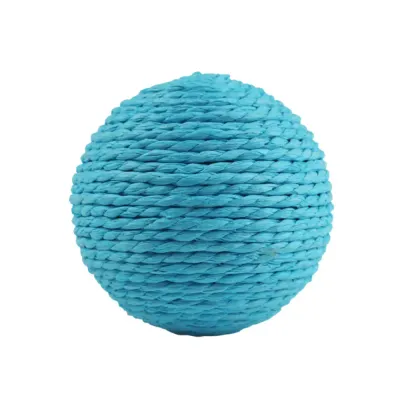
- Scratching balls
- Scratcher lounges
Bundle idea: Scratch and Protect Set
- One vertical or angled scratcher
- One furniture-protection mat
- One catnip toy
Retailers can offer different orientations because some cats prefer vertical surfaces while others prefer horizontal or angled products.
Limited exercise and weight management
Indoor exercise does not depend on one electronic toy. Movement can be created through feeding, climbing, owner interaction and play rotation.
Relevant products
- Cat trees
- Door-mounted climbers
- Rolling toys
- Chase toys
- Slow feeders
- Treat dispensers
- Puzzle boards
Bundle idea: Move and Forage Set
- One active-play toy
- One slow feeder
- One scratcher
- One treat-dispensing product
This combination links movement to feeding instead of presenting exercise as a separate activity.
Lack of vertical space
Cats use height for observation, security and control over social distance. Vertical options are particularly useful in small homes and multi-pet households.
Relevant products
- Window hammocks
- Wall shelves
- Compact cat trees
- Elevated beds
- Cat bridges
- Over-the-door climbers
Bundle idea: Small-Space Catification Kit
- One window perch
- Two modular shelves
- One wall-mounted scratcher
For wholesale buyers, modular products offer an additional advantage: the retailer can sell a starter configuration and later offer expansion pieces.
Hiding and household stress
Cats need secure places where they can withdraw from visitors, children, dogs or other cats.
Relevant products
- Felt caves
- Enclosed beds
- Foldable cat houses
- Covered hammocks
- Tunnels
- Elevated resting areas
Bundle idea: Comfort and Hideaway Set
- One enclosed bed
- One tunnel
- One washable blanket
- One quiet-play toy
This type of bundle may suit veterinary retail counters, shelters, adoption organizations and new-cat starter ranges.
Feeding and hydration
Indoor feeding products can support portion management, slower eating, cleaner feeding areas and behavioral engagement.
Relevant products
- Slow feeders
- Puzzle feeders
- Elevated bowls
- Feeding mats
- Water fountains
- Treat dispensers
Bundle idea: Indoor Feeding Set
- One slow or puzzle feeder
- One water bowl
- One feeding mat
- One treat toy
Retailers should clearly distinguish enrichment benefits from medical claims. A puzzle feeder may encourage activity, but it should not be marketed as treating obesity or disease unless supported by appropriate evidence and regulatory authorization.
Litter and home hygiene
Litter management is a practical concern in apartments because odor, tracking and visual clutter are concentrated in a smaller area.
Relevant products
- Litter-catching mats
- Stainless steel scoops
- Waste-bag dispensers
- Storage containers
- Cleaning brushes
- Litter-box furniture
Bundle idea: Litter Care Kit
- One trapping mat
- One scoop
- One brush
- One waste-bag holder
This bundle has a clear function, is easy to demonstrate and can work across physical stores, online shops and veterinary retail areas.
Turning Catification into Sellable SKUs
Catification means adapting human living spaces to support feline behavior without making the home impractical for people.
Commercially, the concept becomes valuable when translated into specific SKU strategies.
Modular instead of fixed
A large fixed cat-wall system may be expensive to ship and difficult to install. A modular system can be divided into:
- Starter shelves
- Bridge extensions
- Wall hammocks
- Scratching panels
- Replacement covers
This gives customers a lower entry point and gives retailers an expansion path.
Compact instead of oversized
Small-space versions can include:
- Narrow cat trees
- Corner towers
- Wall-mounted beds
- Foldable houses
- Furniture-side scratchers
Compact designs also reduce pressure on warehouse space and international shipping.
Easy installation instead of specialist assembly
Online sellers should prioritize products with:
- Tool-free clamps
- Clear installation instructions
- Standardized hardware
- Removable covers
- Realistic weight guidance
Easy-install products are easier to explain, photograph and sell across markets.
Home-friendly instead of visibly “pet-only”
Instagram- and Pinterest-friendly products often use:
- Neutral colors
- Rounded forms
- Natural textures
- Minimal branding
- Washable fabrics
- Furniture-compatible proportions
The commercial value comes from serving two users at once: the cat that uses the product and the person who accepts it in the home.
Product Price Architecture and Margin Roles
The following bands are an illustrative retail assortment framework, not claimed market averages. Actual wholesale cost, retail price and margin depend on material, size, certification, freight, market and seller positioning.
| Retail role | Illustrative retail band | Example products | Main purpose |
| Add-on products | Under 15 | Catnip toys, balls, teaser heads, small grooming tools | Increase basket size |
| Core solutions | 15–40 | Tunnels, scratchers, puzzle feeders, feeding sets | Solve clear everyday problems |
| Higher-value products | 40–100+ | Cat trees, wall kits, furniture-style beds | Raise order value and differentiate the store |
Low-cost, higher-frequency products
These are useful for checkout displays, subscription boxes, social-commerce promotions and customer acquisition.
Examples include:
- Catnip toys
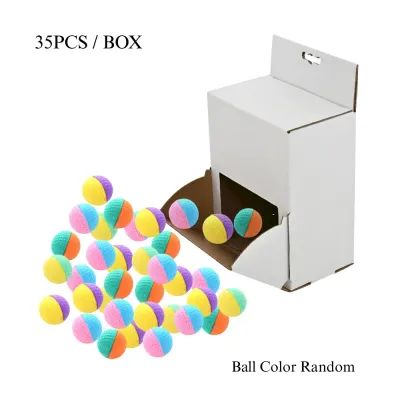
- Bell balls
- Teaser replacements
- Small scratchers
- Litter accessories
Their main commercial strengths are compact packaging, accessible price points and easy add-on purchasing.
Mid-range problem-solving products
This tier can include:
- Puzzle feeders
- Window hammocks
- Cat tunnels
- Scratcher lounges
- Multi-piece play sets
These products work well in educational content because the use case can be demonstrated clearly.
Higher-value visual products
Cat furniture, wall systems and design-led beds may raise average order value, but they also create more inventory and logistics risk.
Retailers should test these products with:
- Fewer initial SKUs
- Lower opening quantities
- Clear dimensions
- Installation videos
- Lifestyle photography
- Preorder or demand-validation campaigns where appropriate
A balanced assortment
A practical opening assortment might allocate:
This is a planning model rather than a universal formula. A social-commerce seller may carry more trend products, while a veterinary retail counter may concentrate on practical care and feeding products.
Which Products Fit Different Pet Businesses?
| Business type | Strong starting categories | Why they fit |
| Online pet seller | Compact toys, tunnels, scratchers, feeding accessories | Easy to ship and demonstrate |
| Social-commerce seller | Moving toys, unusual scratchers, mini furniture | Strong visual content potential |
| Pet boutique | Aesthetic beds, decorative scratchers, furniture | Supports design-led positioning |
| Veterinary retail counter | Feeding tools, grooming products, litter accessories, hideaways | Clear care and home-management use cases |
| Groomer or salon | Brushes, nail-care accessories, calming lick products, small toys | Suitable for service-related add-ons |
| Subscription-box seller | Catnip toys, balls, teaser attachments, compact enrichment | Predictable size and bundle compatibility |
| New pet-store owner | Repeat basics plus a small trend selection | Balances stability and differentiation |
| Shelter or rescue | Starter kits, beds, scratchers, bowls and hideaways | Supports adoption preparation |
| Boarding or daycare | Durable toys, washable beds, scratchers and hygiene tools | Practical shared-environment use |
| Local distributor | Broad category sets with repeatable SKUs | Supports multiple downstream retailer types A retailer does not need to sell every category. The better approach is to begin with the products that match its customers, content channels and available storage. |
How Small Businesses Can Test Indoor Cat Products with Lower Risk
Start with problems, not product count
A new assortment should cover a few clear needs rather than many similar designs.
A first test might include:
- Two scratching solutions
- Two interactive toys
- One tunnel
- One feeding product
- One bed or hideaway
- One litter accessory
Eight differentiated products can provide more useful demand information than twenty nearly identical toys.
Test bundles and individual products together
A simple test structure is:
- Three products sold individually
- Two scenario-based bundles
- One higher-value visual item
This helps the retailer learn whether customers respond better to price, product novelty or a complete solution.
Prioritize compact and explainable products
For online and cross-border sellers, useful first-test characteristics include:
- Small package size
- Low breakage risk
- No complicated electronics
- Clear use in one image or video
- Few sizing variations
- Easy cleaning
- Bundle compatibility
Use content as demand research
Before scaling inventory, retailers can test product interest through:
- Short demonstration videos
- Email click data
- Product-page saves
- Polls
- Waitlists
- Landing pages
- Small paid-social campaigns
A product generating views but few saves or clicks may be entertaining without having strong buying intent.
Reorder based on behavior
Useful signals include:
- Add-to-cart rate
- Conversion rate
- Bundle acceptance
- Repeat purchase
- Customer questions
- Returns
- Content saves
- Time required to explain the product
The goal is not to predict a winner perfectly. It is to create a test small enough that the business can learn without becoming trapped in inventory.
Indoor Cat Product Buying Checklist
| Buying question | Why it matters |
| Does it solve a recognizable indoor-cat problem? | Clear problems are easier to explain in product pages and sales content. |
| Does it support a natural behavior? | Hunting, climbing, hiding and scratching create credible product logic. |
| Is it suitable for small spaces? | Apartment suitability broadens the potential audience. |
| Is the function visible immediately? | Easy-to-understand products perform better in short-form content. |
| Can it be cleaned easily? | Maintenance concerns can prevent purchase and increase dissatisfaction. |
| Can it be bundled? | Bundling can raise basket size and simplify customer decisions. |
| Does it have replacement potential? | Replaceable or wearable parts can support repeat sales. |
| Is it safe for the intended use? | Materials, attachments, cords and small components require careful review. |
| Are dimensions and installation requirements clear? | Clear specifications reduce returns and customer-service pressure. |
| Does it match the retailer’s sales channel? | A physical boutique and a marketplace reseller need different products. |
| Is the packaging suitable for global shipping? | Volume and breakage can change the real cost of the product. |
| Can the supplier support small test orders? | Lower opening quantities reduce the risk of testing a new category. |
Where Petfairs Fits
Petfairs is an online wholesale platform serving small businesses and larger individual professional buyers across much of the global market.
Its product scope includes common cat and dog categories as well as products for birds, fish, reptiles, small mammals and other companion animals.
For the indoor cat category, the platform model is especially relevant to buyers who need:
- A broader selection without managing many separate suppliers
- Smaller opening orders
- Products across several indoor-living scenarios
- Global delivery options
- Assortments suitable for stores, services and online channels
- The ability to test before committing to larger inventory
This can help a new pet-store owner test several use cases, while allowing an established seller to add a focused cat-enrichment or apartment-living collection.
The platform should not position every item as a guaranteed bestseller. A more credible role is to help buyers compare categories, understand use cases and build assortments appropriate to their own customers.
Conclusion
The indoor cat economy is not defined by one fashionable toy or one expensive piece of furniture.
It is a connected retail system built around play, scratching, climbing, feeding, rest, hygiene and integration with the home.
Scientific and veterinary sources show that a suitable environment matters to feline welfare. Market data shows that cat ownership remains substantial across the United States, Europe and Australia. Together, these signals create a credible commercial case for better indoor cat assortments.
For small pet businesses, the strongest strategy is to avoid chasing every novelty. Start with clear customer problems, select products with different retail roles, combine repeatable basics with a few attention-generating items, and test bundles before scaling.
Wholesale marketplaces and global sourcing platforms can support this process by giving smaller buyers access to broader product selections and more flexible ordering. Petfairs can serve this market by helping pet businesses build focused indoor cat collections without requiring them to source each category independently.
The opportunity is not simply to sell more cat products.
It is to help retailers create better indoor-living solutions—one practical, testable assortment at a time.
Frequently Asked Questions
What are indoor cat products?
Indoor cat products are items designed to support cats’ physical, behavioral and practical needs within the home. They include toys, scratchers, climbing products, feeding tools, beds, hideaways, grooming supplies and litter accessories.
Do indoor cats need enrichment?
Yes. Cats require opportunities to express natural behaviors such as hunting, scratching, climbing, hiding and exploring. Veterinary guidance identifies an appropriate environment as important to feline physical and emotional wellbeing.
What indoor cat products sell well online?
Products suited to online sales usually have a clear use case, manageable packaging and strong demonstration potential. Examples include foldable tunnels, interactive toys, scratchers, window hammocks, puzzle feeders and compact beds.
Actual performance depends on market, pricing, presentation, reviews and traffic source.
Which indoor cat products can generate repeat purchases?
Products with wear, replacement or hygiene functions generally have stronger repeat potential. Examples include cardboard scratchers, teaser attachments, catnip toys, litter accessories and replacement covers.
What should a new pet store stock first?
A new store can begin with a small mix of scratchers, toys, one feeding-enrichment product, one compact bed or tunnel and one litter accessory. This creates category coverage without overinvesting in similar SKUs.
Are electronic cat toys necessary?
No. Electronic products can create interesting movement and content, but manual toys, tunnels, puzzle feeders, scratchers and climbing products can also provide enrichment. Electronic items may also involve higher return, battery, safety and quality-control requirements.
What is catification?
Catification is the design or adaptation of living spaces to support feline behaviors while remaining practical for human occupants. Commercial examples include wall shelves, window perches, integrated scratchers and furniture-style beds.
How can small retailers compete with large pet chains?
Small retailers can compete through focused assortments, education, local service, distinctive products and bundles built around specific problems. They do not need the largest catalog; they need a product selection that is easy for their customers to understand and use.
Sources and Editorial Notes
- American Pet Products Association, 2026 State of the Industry Report and 2025 Dog & Cat Report. Used for United States pet expenditure, household ownership and multi-cat household trends.
- FEDIAF EuropeanPetFood, European Pet Population and Market Data. Used for European pet-household and market figures. The latest public report includes 2024 data published in 2026; direct year-on-year comparisons should be made cautiously because geographic coverage has changed.
- Animal Medicines Australia, Pets in Australia 2025. Used for Australian pet population, cat ownership, household penetration and expenditure figures.
- Feline Veterinary Medical Association and International Society of Feline Medicine Environmental Needs Guidelines. Used for the framework describing safe places, separated resources, predatory play, positive interaction and sensory needs.
- Foreman-Worsley and Farnworth et al., research on play and feline welfare. Used for the relationship between play, reported quality of life and the cat–guardian relationship.
- Stella and Croney, Environmental Aspects of Domestic Cat Care and Management. Used as supporting scientific literature on indoor-environment management and feline welfare.
- Tan et al., Understanding the Factors Influencing Cat Containment. Used for Australian containment behavior and the relationship between containment, apartment living and renting.
- Chalkowski et al., global meta-analysis of parasite risk. Used for the comparison between outdoor-access and indoor-only cats.
- All recommended price bands, assortment percentages and bundle structures in this article are editorial retail-planning frameworks. They are not presented as audited industry averages or guaranteed margin outcomes.
- Petfairs platform information, delivery scope, customer types and product coverage were supplied directly by Petfairs for this article.
 Popular Blogs