

How to Import Pet Products for Small Businesses Without Overstock Inventory

Introduction: Why Small Pet Businesses Struggle With Traditional Importing
The global pet industry maintains steady and rapid growth, with pet humanization, enrichment raising, and niche exotic pet trends driving continuous market expansion. However, international product importing remains a major pain point for small-scale pet businesses, including independent pet stores, mobile groomers, social media online sellers, Shopify boutique brands, and pet subscription box operators.
Unlike large distributors with professional procurement teams, sufficient capital and stable supply chains, small pet merchants face inherent drawbacks in traditional container-based importing. They are often trapped in high-cost, high-risk dilemmas that easily lead to cash flow pressure and inventory losses. The core pain points of traditional importing for small businesses are summarized as follows:
- High factory MOQs: Most manufacturers require bulk orders of 500–1000 units, forcing small buyers to overstock
- Severe overstock risk: Out-of-fashion, slow-moving and bulky inventory leads to capital stagnation
- Complicated import procedures: Complex customs declaration, inspection and document procedures with no professional guidance
- Unstable logistics & high costs: Slow sea shipping cycles, expensive small-batch shipping, frequent customs delays
- Unreliable suppliers: Scattered factory resources, inconsistent product quality and unstable delivery cycles
- Blind product selection: Lack of market trend insight, unable to judge sales potential and risk of products
Most small pet business owners are unwilling to invest thousands of dollars in untested inventory. Against this backdrop, flexible small-batch mixed SKU wholesale sourcing has replaced traditional full-container importing and become the mainstream choice for growing pet brands. Professional pet sourcing platforms represented by Petfairs solve the above pain points perfectly, providing low-MOQ, multi-category, global shipping supported sourcing services for small buyers without factory-level purchasing experience.
Different from comprehensive general wholesale platforms, Petfairs focuses exclusively on the global pet industry, covering all mainstream and niche categories: dog supplies, cat supplies, exotic pet products, grooming tools, pet travel accessories, interactive toys, feeding supplies, seasonal limited collections, and retail-ready finished products, helping small businesses source flexibly and reduce operational risks in an all-round way.
Global Pet Industry Growth: Why More Small Businesses Are Entering the Market
The global pet industry continues to expand steadily as pet ownership, pet humanization, and premium pet lifestyles grow worldwide.
According to the American Pet Products Association (APPA), total U.S. pet industry spending exceeded:
| Year | U.S. Pet Industry Spending |
| 2020 | $103.6 Billion |
| 2021 | $123.6 Billion |
| 2022 | $136.8 Billion |
| 2023 | $147 Billion+ This long-term growth trend is creating more opportunities for: |
- Independent pet stores
- Shopify pet brands
- TikTok pet sellers
- Groomers
- Subscription box companies
- Boutique pet retailers
- Social commerce sellers
Unlike traditional retail industries, pet spending has shown strong resilience because pet owners increasingly treat pets as family members.
This trend is commonly referred to as:
“Pet Humanization”
Why Pet Humanization Is Changing Product Demand
Modern consumers no longer buy only basic pet necessities.
They increasingly purchase:
| Fast-Growing Product Categories | Main Consumer Motivation |
| Enrichment toys | Mental stimulation |
| Slow feeders | Health & wellness |
| Pet travel accessories | Lifestyle integration |
| Stylish pet apparel | Social media aesthetics |
| Anxiety-relief toys | Emotional wellness |
| Cat climbing furniture | Indoor enrichment |
| Interactive feeding products | Engagement & entertainment This shift is especially important for small businesses because many of these products: |
- Have strong social media appeal
- Work well in short-form video marketing
- Are lightweight and easier to ship
- Support higher retail margins
- Can be tested in smaller quantities
Core Import Philosophy for Small Pet Businesses: Risk First, Price Second
The biggest misunderstanding of novice importers is only pursuing low unit product prices while ignoring hidden inventory and compliance risks. According to real feedback from Reddit pet retail communities and cross-border pet retail industry data, unsold inventory losses far exceed shipping cost differences. Many small stores fail not because of high procurement costs, but because of blind bulk stocking of unmarketable products.
The core successful logic of small pet business importing is:Lower Risk Before Lower Price. For start-ups and growing brands, the best imported products are not the cheapest ones, but those with comprehensive low-risk attributes:
- Low inventory pressure, light weight and small volume
- Simple shipping and customs clearance, no strict regulatory restrictions
- Stable repeat customer demand and fast inventory turnover
- Excellent online display and short-video marketing potential
- Easy small-batch testing and flexible restocking
This principle is especially critical for new pet stores, mobile groomers, TikTok/Instagram social sellers, subscription box brands, Shopify independent stations and boutique pet retailers, enabling gradual and stable business scaling.
Chapter 1: Product Selection Guide — Best & High-Risk Products for First-Time Importers
1.1 Low-Risk Best-Selling Products (Priority Import)
The most suitable imported products for novice small businesses are lightweight, trend-sensitive, easy-to-test and fast-turnover pet accessories. These products have low thresholds for logistics, customs clearance and sales verification, and fit the current social media pet consumption trend.
Core recommended categories:
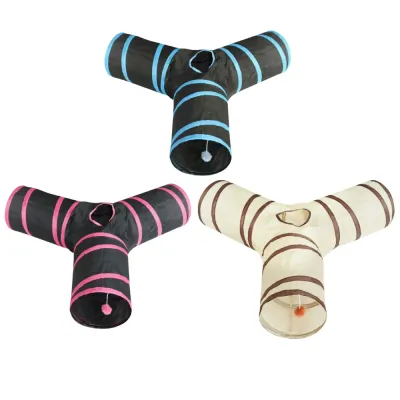
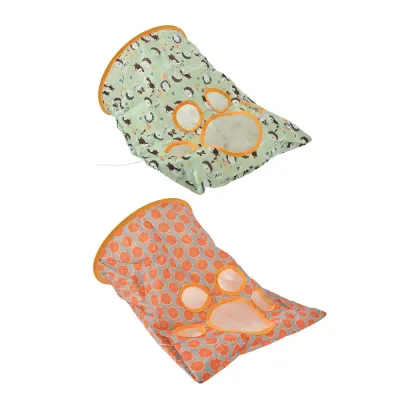
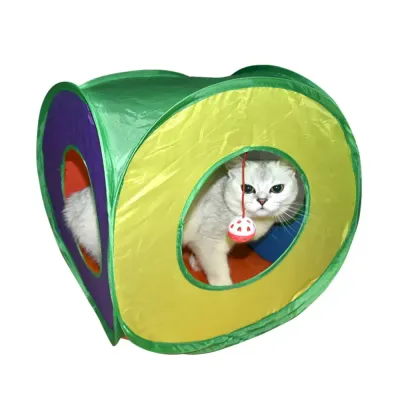
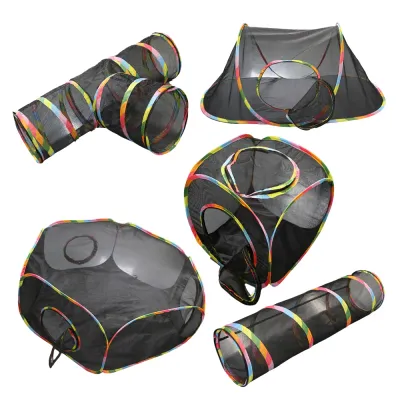
- Interactive & enrichment toys: High social media exposure, suitable for short-form video planting grass, diverse styles and fast iteration
- Pet travel & outdoor accessories: Pet carriers, seat belts, outdoor leashes, with strong seasonal and travel trend demand
- Grooming tools & daily accessories: Combs, nail clippers, cleaning brushes, collars and harnesses, stable rigid demand and repeat purchases
- Feeding daily necessities: Lightweight bowls, water feeders, food mats, low damage rate and wide audience
- Aesthetic & seasonal retail products: Stylish pet apparel, seasonal limited decorations, high unit profit and strong boutique attributes
- Exotic pet daily supplies: Small mammal, reptile and bird accessories, low competition and high user stickiness
Core advantages of these products: Low single-piece weight, low shipping cost, no strict regulatory supervision, good shooting effect for online marketing, support small-batch trial sales, and flexible SKU replacement following trends.
1.2 High-Risk Products to Avoid for Novices
Regulated pet products have complex import compliance requirements, high threshold and high failure rate of customs clearance, which are the main reasons for novice importers’ losses. According to FDA Animal Food Import Guidance and global cross-border pet product regulatory rules, the following products should be avoided in the early stage of import business:
- All pet food & edible supplements: Including pet staple food, snacks, freeze-dried products, nutritional pastes
- Medicated & functional grooming products: Sterilizing detergents, medicinal skin care products
- Bulky & low-turnover products: Large pet cages, luxury pet beds, bulk cat litter
Mandatory compliance requirements for pet food imports (easily lead to customs detention and return): Prior notice submission, overseas factory registration, ingredient safety review, shipment sampling inspection, and full compliance of product labels . Non-compliance will directly lead to goods detention, refusal of entry or forced re-export, bringing huge losses to small businesses. Therefore, novice merchants are strongly advised to start with full accessories and avoid edible regulated products.
Chapter 2: Why Small-Batch Test Orders Beat Large Bulk Orders
Most successful growing pet brands do not start with full-container bulk orders. The unified growth logic of modern pet retail is small-batch testing, multi-SKU verification, data-driven restocking, and gradual scaling.
2.1 Core Advantages of Small Trial Orders
- Minimize capital risk: Low upfront investment, avoid large-scale inventory overstock and capital occupation
- Fast trend response: Social media pet trends iterate rapidly; small-batch testing supports timely product replacement to follow viral trends
- Multi-category trial verification: Replace "500 units of single SKU" with "20+ SKUs with small quantities each" to expand product trial range
- Optimize inventory turnover: Fast product rotation, flexible elimination of slow-moving products, improve overall sales volume
- Accumulate market data: Verify real demand through sales volume, social engagement and customer feedback
2.2 Air Shipping VS Sea Shipping: Best Choice for Different Stages
Novice merchants often mistakenly believe sea shipping is always more cost-effective. In fact, small businesses have completely different logistics logic from large distributors:
Logistics Mode | Applicable Business Stage | Core Advantages | Disadvantages |
|---|---|---|---|
Air Shipping | New store launch, trend testing, small-batch restocking | Fast timeliness, low inventory commitment, flexible product rotation, low overstock risk | Higher unit shipping cost |
Sea Shipping | Stable best-selling products, large-scale formal scaling | Low unit cost, suitable for bulk inventory stocking | Long cycle, large MOQ, high inventory risk, slow trend response |
Chapter 3: Rising Opportunity: Mainstream Pet Supplies + Niche Exotic Pet Market
3.1 Market Pain Point of General Wholesale Platforms
Most comprehensive B2B wholesale platforms focus excessively on mainstream dog and cat supplies, with serious product homogeneity and fierce market competition. The growth space of red ocean categories is limited for small businesses.
3.2 High-Growth Exotic Pet Niche Track
The global exotic pet market is growing year by year, covering reptiles, birds, rabbits, hamsters, aquatic pets and other small mammals. This niche track has obvious advantages for small merchants:
- Low industry competition and blank market demand
- Highly concentrated enthusiast consumer groups and strong user stickiness
- Stable repeat purchase demand and high profit margin
- Low threshold for small-batch trial sales
As a professional pet vertical sourcing platform, Petfairs integrates mainstream dog/cat supplies and niche exotic pet product resources in one stop, helping small businesses easily deploy high-margin niche tracks and achieve differentiated competition.
Chapter 4: Common Import Mistakes & Customs Risks for Small Businesses
4.1 Top Common Import Mistakes
- Only focusing on low procurement cost while ignoring inventory turnover risk
- Blind bulk stocking of seasonal products leading to overstock after the season
- Single SKU large-order trial sales with extremely high trial risk
- Choosing regulated high-risk products for initial import
- Cooperating with unstable suppliers with inconsistent product quality
- Pursuing rapid scaling and ignoring cash flow bearing capacity
4.2 Frequent Customs Problems & Solutions
Customs clearance uncertainty is the biggest concern of novice importers. Common problems include document incompleteness, label non-compliance, commodity classification errors, and random inspection detention . For regulated products such as pet food, customs will initiate mandatory inspection, detention or even return processing.
Low-risk solution: Small businesses prioritize full accessory imports in the early stage; choose Petfairs’ official global shipping service, which provides standardized document guidance and customs clearance auxiliary services to reduce clearance failure rate.
Chapter 5: Traditional Import VS Modern Flexible Sourcing (Core Difference Comparison)
Traditional container importing is designed for large distributors, while modern pet retail is driven by trends and small-batch flexibility, which is completely unsuitable for small growing businesses.
Dimension | Traditional Factory Container Import | Petfairs Flexible Wholesale Sourcing |
|---|---|---|
MOQ Requirement | 500–1000 units per SKU, full carton/container required | Ultra-low MOQ, support small-batch trial |
Order Mode | Single SKU bulk order only | Mixed multi-SKU & multi-category combined order |
Inventory Risk | Extremely high, easy overstock | Low risk, flexible stocking |
Trend Adaptability | Poor, long procurement cycle, unable to follow trends | Strong, fast new product iteration, timely trend follow-up |
Professional Threshold | High, need professional procurement & customs team | Low threshold, one-stop service for small merchants |
Applicable Crowd | Large distributors only | Pet stores, groomers, online sellers, boutique brands |
Chapter 6: Differentiated Import Strategies for 6 Types of Small Pet Businesses
Different pet business models have completely different sourcing demands. Petfairs’ flexible wholesale mode can fully match the personalized needs of all small merchants:
6.1 Groomers & Mobile Groomers
No demand for large inventory containers. Core sourcing demands: grooming tools, retail add-on products, lightweight impulse purchase accessories, and daily repeat-purchase supplies. Low-MOQ trial sales avoid occupying limited store and vehicle storage space.
6.2 Pet E-commerce & Social Sellers (TikTok/Shopify)
Trend iteration speed determines sales volume. Demand focus: viral trend products, aesthetic pet supplies, fast-test & fast-restock SKUs, lightweight products with low logistics cost. Multi-SKU mixed orders support rapid content creation and product trial.
6.3 Pet Subscription Box Sellers
Core competitiveness lies in product diversity and seasonal renewal. Demand focus: multi-category small accessories, seasonal limited collections, novel exotic pet supplies. Mixed-category sourcing enriches box content and improves user renewal rate.
6.4 Veterinary Clinics & Retail Stores
Prioritize safety and functionality. Demand focus: safe non-medicated accessories, functional grooming supplies, healthy daily necessities. Avoid regulated edible products to eliminate compliance risks.
6.5 Pet Boutiques & Physical Retail Stores
Focus on product aesthetics and differentiation. Demand focus: trendy aesthetic supplies, seasonal exclusive products, niche exotic pet goods. Flexible small-batch replacement keeps store products fresh and attracts premium customers.
6.6 Marketplace Resellers & Pet Rescue Shops
Pursue low investment and stable sales. Demand focus: universal daily pet supplies, low-risk fast-turnover accessories. Low-MOQ sourcing reduces operational pressure and stabilizes basic revenue.
Chapter 7: 5-Step Low-Risk Import Standard Operation Procedure
Summarize the most safe and efficient import process for novice small businesses, realizing zero-error gradual scaling:
Step 1: Select low-risk track — Prioritize toys, grooming accessories, travel supplies, pet apparel and daily feeding necessities; completely avoid pet food, medicated products and bulky slow-moving goods.
Step 2: Multi-SKU small-batch trial — Adopt "multiple SKUs + small quantity" trial mode, expand product coverage, and reduce single-product inventory risk.
Step 3: Consolidate one-stop shipment — Mix different categories of products into one shipment to reduce logistics costs and simplify supplier docking and customs procedures.
Step 4: Differentiate logistics by stage — Use air shipping for new product testing to ensure timeliness; switch to sea shipping for stable best-selling products to reduce long-term costs.
Step 5: Data-driven scaling — Track sales volume, customer feedback and social heat, only reorder and expand scale for verified best sellers, and eliminate slow-moving SKUs in time.
Standard growth cycle: Test Small → Analyze Demand → Reorder Winners → Scale Gradually
Chapter 8: Core Value of Petfairs: Why Small Merchants Choose Vertical Pet Sourcing Platforms
Traditional general B2B platforms lack industry professionalism, while Petfairs, as a vertical pet wholesale platform, is tailored for small and medium-sized pet businesses, solving all pain points of small-batch import:
- Ultra-low MOQ flexible sourcing: Break factory bulk order restrictions, support small-batch trial sales for novice merchants
- Free mixed SKU ordering: Cross-category combination of mainstream and niche products to enrich product lines
- Full pet category coverage: Cover dogs, cats, exotic pets, grooming and retail full scenarios
- One-stop global shipping: Professional logistics and customs clearance support, reduce threshold and error rate
- Trend-oriented product update: Synchronize social media viral trends, help merchants grasp hot sales opportunities
- Zero professional threshold: No factory procurement experience required, suitable for all growing pet brands
Final Thoughts
The era of relying on large container bulk orders to make profits in the pet import industry has ended. In the current trend-driven pet retail market, the fastest-growing enterprises are not the largest buyers with the most inventory, but the most flexible and adaptive businesses.
FAQ
Is importing pet products profitable?
Yes. Many small businesses successfully import pet products with lower inventory risk by starting with lightweight accessories, trend-driven products, and small-batch sourcing strategies.
What pet products are easiest to import?
Pet toys, grooming accessories, bowls, travel accessories, collars, harnesses, and enrichment toys are usually easier for beginners because they have lower regulatory risk and simpler shipping requirements.
Is importing pet food difficult?
Yes. Pet food imports often require FDA compliance, prior notice filings, ingredient reviews, and label regulations. Many beginners start with non-edible accessories instead.
What is a good MOQ for small pet businesses?
Most small businesses benefit from low-MOQ sourcing and mixed-SKU testing instead of large factory orders. Flexible wholesale sourcing helps reduce inventory pressure and cash flow risk.
Should beginners use air shipping or sea shipping?
Many beginners use air shipping for product testing because it supports faster inventory rotation and lower overstock risk. Sea shipping is usually better for proven best-selling products.
How do small businesses avoid overstock inventory?
Successful businesses usually:
- start with smaller orders
- test multiple SKUs
- analyze demand before scaling
- reorder only proven products
Why are more businesses using pet-focused wholesale platforms?
Pet-focused platforms simplify sourcing by offering:
- lower MOQs
- mixed SKU ordering
- pet-category specialization
- trend-based product discovery
- global shipping support
 Popular Blogs