
Pet Wellness Trends 2026: 10 Shifts Shaping Everyday Pet Care
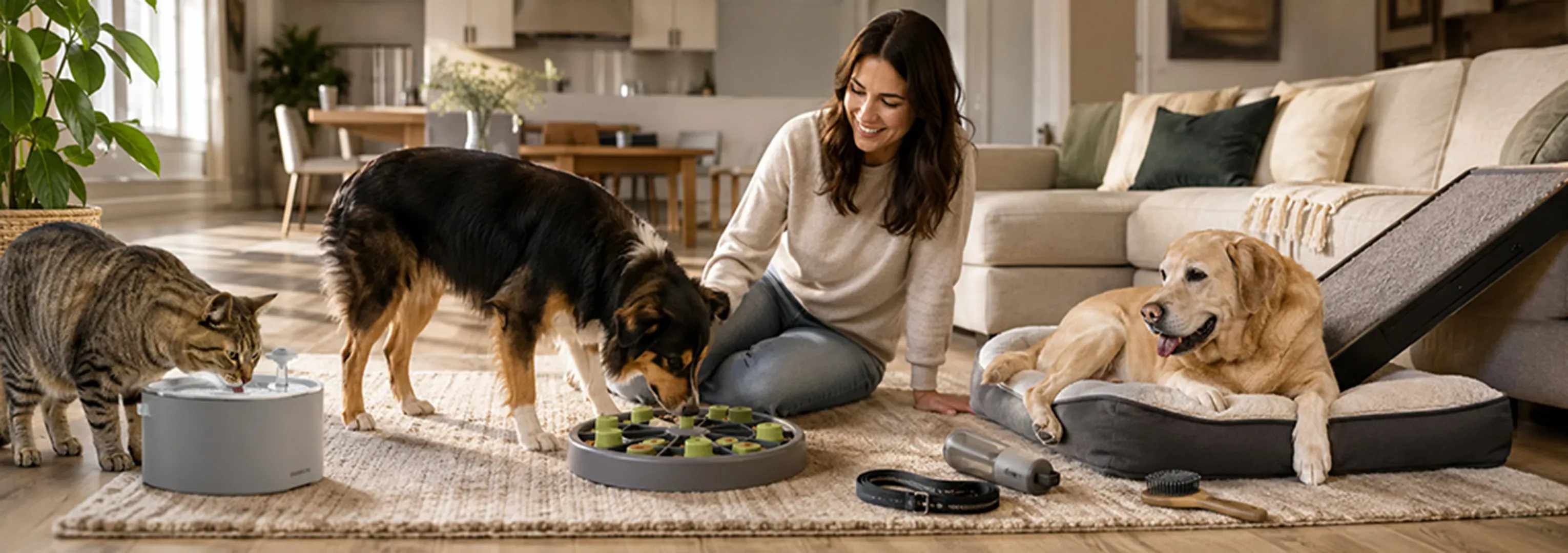
Pet wellness in 2026 is becoming less about buying a single “health product” and more about building practical routines around feeding, hydration, mobility, enrichment, grooming, oral care and everyday observation.
That shift matters because pet owners are not simply spending more. They are becoming more selective about where a product fits into daily life, how easy it is to use, and whether the value is clear.
The U.S. pet industry reached $158 billion in expenditures in 2025, up 3.7%, and the American Pet Products Association projects approximately $165 billion in 2026. Yet the same APPA research shows greater value-seeking behavior: 22% of pet owners reported spending less on their pets in 2025, while roughly half said their spending remained unchanged. In other words, the pet market is still growing, but “premium” alone is no longer enough. Products increasingly have to prove that they are useful, convenient and worth keeping in the household routine.
For pet retailers, trainers, groomers, veterinary clinic retail counters, online sellers and other small pet businesses, that changes the sourcing question too. The important question is no longer simply “What wellness product is trending?” It is:
Which recurring pet-care problem is this product helping a customer manage more easily?
That is the lens through which the strongest pet wellness opportunities in 2026 should be evaluated.
Pet Wellness in 2026: The Data in One View
U.S. pet market: growth continues, but value matters more
| Indicator | 2025 | 2026 / Change |
| Total U.S. pet industry expenditure | $158B | $165B projected |
| Annual market growth | 0.037 | ~+4.4% projected |
| U.S. households owning at least one pet | 95M | — |
| Dog-owning households | 71M | +4% YoY |
| Cat-owning households | 53M | +5% YoY |
| Owners who spent less on pets in 2025 | 22% | Up vs. 2024 Source: APPA 2026 State of the Industry and 2026 Dog Report. |
Where the $158 billion went in 2025
APPA reports $68.3 billion in food and treats, $41.0 billion in veterinary care and product sales, $34.4 billion in supplies/live animals/OTC products, and $14.3 billion in other services for the 2025 market.
The important commercial signal is not simply the size of these categories. It is the fact that health, feeding, daily maintenance and care-related spending occupy a large part of the pet household budget.
What Is Driving Pet Wellness in 2026?
Owners are protecting essential care while becoming smarter spenders
APPA's latest dog research describes a consumer who is more value-conscious rather than less committed. Dog ownership reached 71 million U.S. households in 2025, while veterinary care represented 29% of dog-owner wallet share and food another 27%. Owners are changing where they shop, mixing premium and lower-cost choices, and bringing some routine care into the home.
That means affordability should not be treated as the opposite of wellness.
In 2026, affordability is part of wellness because a routine only works if owners can sustain it.
The strongest product opportunities therefore tend to sit at the intersection of:
clear function + repeated use + convenience + understandable price.
Wellness is moving into the home
Professional veterinary care remains essential, but many daily routines happen between appointments.
APPA reports that 51% of dog owners groom their dogs at home, while 46% own dental-care products. The same report describes increased interest in products associated with preventive routines, convenience and day-to-day maintenance.
This does not mean consumers are replacing professionals.
It means they increasingly want tools that help them do the small things consistently: brush teeth, portion food, provide enrichment, keep coats maintained, support comfortable movement, offer water outdoors or notice a change in normal behavior.
For retailers, these are attractive use cases because they are easy to demonstrate and often sit next to other products rather than replacing them.
Pet owners increasingly think in terms of healthspan
Aging-pet care is gradually moving beyond the simple objective of keeping an animal alive longer.
AAHA describes the modern goal as extending healthspan: the years during which a pet remains active, comfortable and relatively free from pain and mobility loss. Its senior-care guidance also recommends practical home modifications such as ramps, stairs, orthopedic bedding and nonslip surfaces when mobility becomes harder.
That creates a broader commercial definition of “wellness.”
A pet bed can be a comfort product.
A nonslip mat can be a home accessory.
A ramp can be a mobility aid.
All three can also belong to a well-designed healthy-aging assortment without claiming to treat arthritis or other diseases.
10 Pet Wellness Shifts Shaping What Owners Buy in 2026
Everyday Monitoring and Earlier Conversations With Vets
One of the strongest changes in pet wellness is the desire to notice small changes earlier.
AAHA recommends routine veterinary care at least once per year for pets, with senior animals and pets with ongoing conditions often needing more frequent attention. Routine veterinary wellness testing may include bloodwork, urinalysis and other diagnostics that can identify health changes even when outward symptoms are limited.
Retail products have a different role.
A smart feeder can record feeding patterns. A scale can make weight changes easier to notice. A connected litter box may record frequency or weight. A wearable can collect activity or sleep information. These products can help an owner recognize that “something is different from normal,” but that is not the same as making a diagnosis.
AAHA notes that wearables and remote-monitoring tools may contribute additional information to veterinary care, while emphasizing that digital and telehealth tools should augment rather than replace in-person care.
Retail opportunity
Products in this category work best when the message is:
“Know your pet's routine better.”
Not:
“Detect disease at home.”
That distinction protects both consumer trust and responsible merchandising.
Everyday Feeding and Weight Management
Weight management is increasingly a daily routine rather than a special “diet category.”
In the Association for Pet Obesity Prevention's 2025 owner survey, 37% of dog owners and 43% of cat owners described their pets as above ideal weight. The organization explicitly notes that these are owner-reported perceptions, not clinician-assessed national obesity prevalence figures. Among owners attempting weight loss, only 28% of dogs and 19% of cats were reported to have reached the intended healthy target.
2025 owner-perceived weight status
Source: APOP 2025 Pet Obesity and Nutrition Survey.
WSAVA also treats nutritional assessment and body-condition evaluation as part of individualized pet nutrition rather than a one-size-fits-all feeding formula.
That makes several non-medical product categories relevant:
- slow feeders;
- portion scoops;
- food scales;
- automatic portion-controlled feeders;
- puzzle feeders;
- treat-dispensing toys;
- activity and walking accessories.
The commercial advantage is simple: owners understand the use case quickly.
“My dog eats too fast” is easier to merchandise than an abstract message about metabolic wellness.
Digestive Comfort and Gut-Health Interest
Gut health will remain highly visible in 2026, but it is also one of the categories where responsible content matters most.
APPA reported that 53% of dog owners give vitamins or supplements, while approximately one-third of cat owners do so. Over six years, supplement purchasing increased 56% among dog owners and 70% among cat owners, according to APPA's 2025 Dog & Cat research.
That shows strong consumer interest.
It does not prove that every probiotic, prebiotic or postbiotic formulation provides the same outcome.
A 2025 systematic review and meta-analysis examining probiotics, prebiotics, synbiotics and postbiotics in cats found that existing evidence did not permit high-confidence conclusions about overall clinical effectiveness, although some probiotic trials reported beneficial changes in specific outcomes. The researchers specifically called for more research before broad recommendations are made.
That distinction should shape how retailers communicate this category:
Consumer demand: strong.Scientific evidence: formulation-specific and still developing.
A responsible retailer should therefore avoid turning “gut health” into a universal claim.
Hydration Routines, Especially for Cats
Hydration deserves its own wellness category because it is both a health-related concern and a highly practical everyday behavior.
A 2026 scoping review covering 32 feline hydration studies found that cats' total water intake varies widely and is influenced by factors including diet format. Cats consuming wet food generally obtained more total water than cats consuming dry diets, while the evidence did not show that flowing versus static water alone consistently increased intake.
That last point matters.
A fountain can be attractive, convenient and useful for many households, but content should not make the blanket claim that “every cat drinks more from running water.”
Where I see a particularly strong product opportunity
Portable hydration is one category I would not treat as a summer-only trend.
For dogs, water is needed during ordinary walks, dog training, road trips, hiking, outdoor dining, events and travel throughout the year. From a retail perspective, a portable bottle is stronger when it solves several small problems at once: carry water, create a drinking bowl, avoid leakage and remain easy to operate with one hand.
Products that combine water storage with a drinking tray, strap or carabiner, and sometimes waste-bag storage are especially practical because they reduce the number of separate objects an owner carries.
For dog trainers, boutiques, online sellers and boarding/daycare businesses, this makes portable hydration a functional year-round accessory, not simply a seasonal summer SKU.
The important message is practicality—not medical claims.
Healthy Aging, Mobility and Home Comfort
Senior care is moving from “supplements for old pets” toward making the physical environment easier to use.
AAHA's senior-care guidance identifies difficulty rising, climbing stairs, entering litter boxes and walking as meaningful changes to monitor. It also suggests environmental modifications such as ramps, pet stairs, orthopedic bedding and nonslip rugs to help animals with reduced mobility navigate their surroundings.
For retailers, this creates an unusually coherent assortment:
| Owner problem | Practical product direction |
| Slipping on smooth floors | Nonslip mats / traction surfaces |
| Difficulty reaching sofa or bed | Pet stairs / ramps |
| Trouble standing or walking | Support harnesses |
| Resting discomfort | Supportive or orthopedic-style beds |
| Bending to food or water | Elevated feeding solutions |
| Reduced interest in activity | Lower-intensity enrichment The best messaging focuses on comfort, access and routine. Avoid promising that a ramp, bed or harness “treats arthritis.” The product helps the pet use the environment more comfortably; veterinary professionals diagnose and manage disease. |
Enrichment, Emotional Comfort and Stress Support
One of the most important wellness shifts is that “calming” is expanding into the broader idea of enrichment.
AAHA defines enrichment as meeting an animal's natural behavioral needs in ways that support physical health and emotional wellbeing. Its 2026 guidance links appropriate enrichment with reduced boredom and stress and recommends varied cognitive, feeding, sensory, physical and social activities for dogs and cats.
This matters commercially because enrichment is not one SKU.
It can include:
- puzzle toys;
- snuffle mats;
- treat-dispensing toys;
- lick mats;
- scent-based play;
- interactive cat toys;
- scratching surfaces;
- hideaways;
- vertical cat spaces.
Reddit discussions provide useful intent signals here—not medical evidence. Recent owners ask about easy-to-clean lick mats, ways to occupy high-energy dogs after walks, and enrichment tools for dogs that become destructive or restless.
For trainers and boarding/daycare operators, the question is less “Which calming product should I sell?” and more:
How can I give this pet something appropriate to do
That is a much stronger wellness proposition.
At-Home Oral-Care Habits
Dental care is moving toward routine maintenance because waiting until visible problems appear is often too late.
AAHA states that most dogs and cats have some degree of periodontal disease by age three and recommends professional dental evaluation as part of preventive care. Daily tooth brushing is considered the best at-home way to reduce plaque accumulation, while approved dental chews and other home-care options may complement professional care.
APPA's 2026 Dog Report also found that 46% of dog owners now own dental-care products, suggesting that oral care has moved much closer to the mainstream daily-care market.
For retail, the lower-friction products are often those that make the habit easier:
- finger toothbrushes;
- pet toothbrushes;
- oral-care starter sets;
- safe dental toys;
- clearly explained dental-care accessories.
An important product-development principle follows:
The easier the routine is to understand, the more likely the product is to be used repeatedly.
Everyday Skin, Coat and Grooming Maintenance
Wellness does not have to mean medication, supplements or treatment claims.
Skin and coat maintenance can be framed around ordinary routines: removing loose hair, preventing mats, maintaining nails, cleaning paws after outdoor activity and keeping an animal comfortable between professional grooming appointments.
That is particularly relevant in 2026 because APPA found that more than half of U.S. dog owners groom at home, even while professional groomers remain important for higher-need services.
This creates a complementary rather than competitive relationship for groomers.
A salon can perform clipping, bathing, coat work and professional services while also retailing:
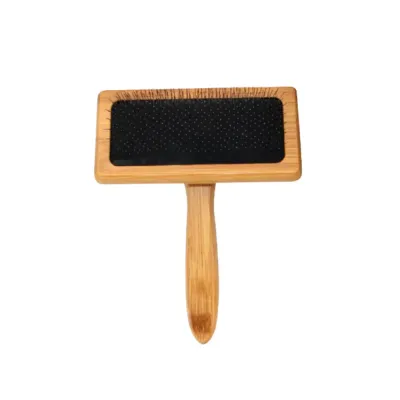
- slicker brushes;
- deshedding tools;
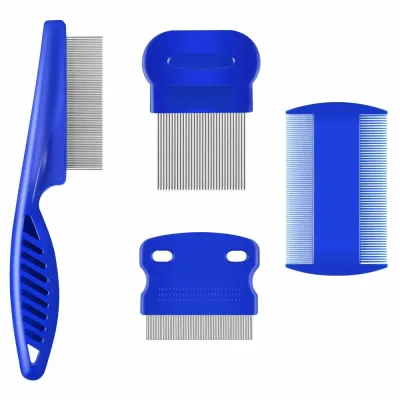
- combs;
- nail-care accessories;
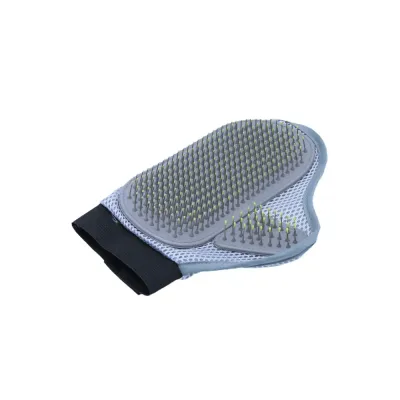
- grooming gloves;
- drying accessories;
- maintenance kits.
For small retailers, this is attractive because the products are generally easy to demonstrate, easy to explain and relatively low in medical-claim risk.
From Location Tracking to Behavior Monitoring
Pet technology is slowly changing from answering “Where is my pet?” to also asking “What has changed in my pet's routine?”
AAHA notes that remote devices can collect information including activity and other behavioral or physiological data, while newer connected litter boxes and collars can track patterns such as movement, litter-box use or weight.
The scientific opportunity is real, but expectations should remain disciplined.
Wearable-monitoring research more broadly still faces challenges around validation, device standardization, interpretation and clinical effectiveness.
Therefore, the most credible retail promise is:
“Make changes easier to notice and record.
Not:
“Know whether your pet is sick before the vet does.
As pet technology becomes more sophisticated, the brands that communicate limitations clearly may earn more trust than those making the largest claims.
One Pet, One Routine: Personalization Without the Hype
“Personalized wellness” does not need to mean an AI algorithm choosing supplements.
For most pet retailers, personalization is far more practical.
A five-month-old puppy, a sedentary indoor cat, a senior large-breed dog and a high-energy working dog do not need the same daily routine. WSAVA's nutrition guidance already emphasizes individualized assessment rather than a universal approach.
A retailer can therefore personalize merchandising by problem or life stage:
Indoor Cat Routine
Hydration + scratching + climbing + puzzle feeding.
Senior Dog Comfort
Supportive bed + ramp + nonslip mat + easier feeding setup.
Active Dog Outdoors
Portable water + travel bowl + walking accessories + training rewards.
Grooming at Home
Brush + comb + nail tools + drying accessories.
Enrichment Routine
Snuffle + lick + puzzle + interactive play.
This kind of personalization is much more actionable for small pet businesses than vague promises about “AI-powered wellness.”
Wellness Is Expanding Beyond Dogs and Cats
Dogs and cats dominate many wellness conversations, but retailers serving a broad pet market should not assume the same trend stops there.
APPA's 2025 Fish & Reptile research found that owners increasingly value enrichment, habitat quality and personalization. Among reptile owners, the internet was the most common source of care information at 53%, while pet-store personnel and social media each reached 34%. APPA also reported growing interest in more enriched reptile environments.
Bird and small-animal ownership shows a similar emotional shift. APPA reported that 76% of bird owners give gifts to their birds and 87% of small-animal owners give gifts, while specialist stores remain important information sources.
This matters for a broad online sourcing platform because pet wellness for exotic and small animals often revolves less around “health supplements” and more around:
habitat quality, enrichment, feeding, species-appropriate accessories and environmental comfort.
For retailers, that is a reminder not to copy a dog-wellness assortment into every species category.
Pet Wellness Products: What They Can—and Cannot—Do
The credibility of a wellness assortment depends as much on what a retailer does not claim as what it promotes.
Everyday products can support:
- feeding routines;
- hydration access;
- enrichment;
- comfort;
- mobility around the home;
- grooming;
- oral-care habits;
- observation of routine changes;
- better organization of everyday pet care.
Everyday retail products should not be presented as substitutes for:
- veterinary diagnosis;
- prescription treatment;
- professional dental procedures;
- laboratory testing;
- emergency care.
The distinction is not only editorial.
FDA states that expressed or implied claims that an animal product is intended to cure, treat, prevent or mitigate disease can establish an intended drug use and trigger animal-drug regulatory requirements.
That makes wording important.
| Higher-risk wording | Better retail wording |
| Detects urinary disease | Helps owners notice changes in litter-box routine |
| Prevents joint disease | Supports easier everyday movement |
| Treats anxiety | Provides enrichment or comfort during stressful situations |
| Prevents dehydration | Makes water easier to offer while away from home |
| Treats dental disease | Supports an at-home oral-care routine |
| Diagnoses weight problems | Makes routine weight tracking easier The second column is not just safer. It is usually more believable. |
Which Wellness Trends Have the Strongest Evidence?
Not every popular category has the same scientific foundation.
| Wellness area | Consumer relevance | Evidence confidence | Retail interpretation |
| Routine veterinary preventive care | Very high | Strong | Encourage, never replace |
| Weight and feeding management | Very high | Strong | Strong daily-routine category |
| At-home oral care | Very high | Strong | Works alongside professional dentistry |
| Enrichment | High | Strong | Broad product opportunity |
| Senior mobility/home modification | High | Strong | Excellent non-medical assortment |
| Hydration routines | High | Strong–Moderate | Avoid overclaiming fountains |
| Gut-health products | Very high | Developing | Ingredient/formulation specific |
| Wearable behavioral monitoring | Growing | Developing | Observation tool, not diagnosis |
| “Personalized wellness” | Growing | Depends on execution | Best used as merchandising logic This table is an editorial synthesis of the evidence reviewed from AAHA, WSAVA and recent peer-reviewed research. |
What These Trends Mean for Pet Retailers in 2026
For a small pet business, the biggest mistake is buying a “wellness trend” without defining who will buy it, how staff will explain it and what it sits next to on the shelf or website.
A stronger sourcing question is:
Is this product easy to explain, useful repeatedly, easy to bundle and low enough in return or claim risk to justify carrying it
Below is a practical evaluation framework.
Petfairs editorial merchandise scorecard
Scores below are strategic evaluation scores, not external market statistics.
| Wellness cluster | Easy to explain | Bundle potential | Repeat potential | Return complexity | Claim risk |
| Hydration & travel | 5 | 5 | 3 | 2 | 1 |
| Feeding & weight routines | 5 | 5 | 3 | 2 | 2 |
| Enrichment | 5 | 5 | 4 | 2 | 1 |
| Senior mobility & comfort | 5 | 4 | 2 | 4 | 2 |
| Oral & grooming routines | 5 | 4 | 4 | 2 | 2 |
| Monitoring technology | 3 | 3 | 2 | 4 | 4 The most attractive categories for many smaller businesses are not always the most technologically advanced. They are often the products a customer understands immediately. A groomer can explain a maintenance brush. A dog trainer can demonstrate a lick mat or portable water bottle. A boutique can build a senior-dog comfort display. A veterinary clinic retail counter can carry selected oral-care, enrichment or comfort products while maintaining clear medical boundaries. An online seller can demonstrate puzzle toys, slow feeders and travel products through short video content. The same underlying product can therefore perform differently depending on the buyer's business model. |
Six Wellness Merchandise Clusters Worth Testing
Hydration & Outdoor Routine
Products: portable water bottles, travel bowls, circulating water bowls, fountains, mats and replacement accessories.
Best use cases: walking, training, road travel, indoor cat routines.
Retail advantage: easy demonstration and strong bundle opportunities.
Feeding & Weight Routine
Products: slow feeders, puzzle feeders, portion tools, food scales and selected automatic feeders.
Best use cases: fast eating, feeding consistency and activity-based feeding.
Retail advantage: the owner problem is immediately recognizable.
Enrichment & Emotional Comfort
Products: snuffle mats, lick mats, treat-dispensing toys, interactive toys, cat hideaways and scratching products.
Best use cases: indoor pets, high-energy dogs, alone time, training and boarding.
Retail advantage: strong video/social-commerce potential and frequent product rotation.
Healthy Aging & Mobility
Products: ramps, stairs, supportive beds, nonslip mats and lifting harnesses.
Best use cases: senior dogs, large dogs, post-mobility changes and multi-level homes.
Retail challenge: size, weight and shipping volume need closer management.
Oral Care & Grooming Maintenance
Products: toothbrushes, finger brushes, combs, deshedding tools, massage brushes and grooming sets.
Best use cases: home-maintenance routines between professional services.
Retail advantage: easy education, low complexity and strong cross-selling.
Everyday Monitoring Accessories
Products: scales, smart feeders, connected litter products, selected activity devices and routine-recording tools.
Best use cases: owners who want more information about normal patterns.
Retail challenge: higher customer education, technical support and wording risk.
How to Test Wellness Products Without Overbuying
A small retailer does not need 50 wellness SKUs to learn whether a category works.
A practical starting point is to choose one problem and build a small complementary assortment around it.
For example:
Test A: Senior Dog Comfort
- one supportive bed;
- one ramp or stair;
- one nonslip product;
- one feeding-accessory option.
Test B: Indoor Cat Wellness
- one hydration product;
- one scratch product;
- one food puzzle;
- one interactive toy.
Test C: Active Dog Outdoors
- one portable water solution;
- one collapsible bowl;
- one walking accessory;
- one portable training/reward product.
Then track four basic commercial signals:
Sell-through: Does the product actually move?
Attach rate: Do buyers purchase another product from the same problem set?
Reorder: Does the buyer or retailer come back?
Return reason: Is the product failing because of size, cleaning difficulty, material expectations, complexity or misunderstanding?
This approach is more useful than assuming every fast-growing category deserves a large opening order.
The Larger Opportunity: Sell Routines, Not Anxiety
The pet industry should be careful not to turn growing owner awareness into more health anxiety.
Owners are paying closer attention to feeding, hydration, enrichment, comfort, mobility and routine changes because pets increasingly occupy a central role in household life. APPA's research across dogs, cats, birds, small animals, fish and reptiles consistently shows deepening emotional engagement and a willingness to invest in care, even while value consciousness is rising.
The strongest response from retailers is not to imply that every behavior is a disease waiting to be discovered.
It is to make good everyday care easier.
That is why I believe the most durable pet wellness products in 2026 will often be surprisingly practical: the feeder that makes mealtime easier to control, the ramp that gives an older dog easier access, the puzzle that gives an indoor pet something meaningful to do, the brush that makes weekly coat maintenance simpler, or the portable water bottle that means an owner can give a dog water wherever the walk or trip happens.
Those products are not exciting because they make the biggest claims.
They are valuable because people actually use them.
Final Takeaway
The biggest pet wellness trend of 2026 is not probiotics, AI, premium food or one new gadget.
It is the shift from occasional “health purchases” toward repeatable everyday care routines.
For pet businesses, that creates a simple sourcing rule:
Choose products that solve a recognizable daily problem, are easy for customers to understand, and earn their place in the routine without making claims the product cannot support.
That means wellness opportunities increasingly sit across hydration, feeding, enrichment, healthy aging, grooming, oral care, travel, habitat design and everyday monitoring—not only in traditionally defined “health” categories.
For a broad online sourcing platform serving independent pet retailers, groomers, trainers, clinic retail counters, online sellers and other growing pet businesses, the opportunity is therefore larger than building a “wellness section.”
The real opportunity is helping buyers build better problem-solving assortments—for dogs, cats and the wider range of pets their customers increasingly treat as part of the family.
What Pet Owners Are Actually Trying to Solve
Search behavior becomes more useful when it is translated into problems instead of keywords.
Reddit should not be treated as medical evidence, but current discussions show the kinds of practical questions owners ask: how to keep energetic dogs occupied, how to choose enrichment products that are easy to clean, what to do when senior dogs need more physical support, and how owners can manage changing routines in older pets.
These intents can be translated into high-value content questions.
How can I encourage my cat to drink more water?
Start by making fresh water easy to access in several locations and talk with a veterinarian about diet and hydration if you are concerned about intake. Research shows that total water consumption in cats is strongly influenced by dietary moisture, while flowing water alone does not consistently increase intake for every cat.
What can help an older dog use stairs or slippery floors more comfortably?
Environmental changes can make daily movement easier. AAHA senior-care guidance includes ramps, pet stairs, nonslip rugs or mats, supportive harnesses and appropriate bedding among useful home modifications for pets experiencing mobility limitations. Persistent difficulty moving should still be discussed with a veterinarian.
Are puzzle toys part of pet wellness?
They can be. Enrichment supports natural behaviors, mental engagement and opportunities to sniff, search, lick, chew or problem-solve. AAHA recommends varied enrichment because boredom and unmet behavioral needs can contribute to unwanted behavior and stress.
Do slow feeders help with weight management?
A slow feeder can change the pace and structure of a meal, but it does not determine the correct calorie intake by itself. Weight management still depends on appropriate portions, diet, activity, the individual animal and veterinary guidance where needed. WSAVA recommends individualized nutritional assessment and use of body-condition tools.
Is a pet water bottle only a summer product?
No from a merchandising perspective. A portable water solution has use cases during walks, training, driving, travel, hiking and other outdoor activities across the year. The strongest designs prioritize portability, leak resistance, easy cleaning and simple one-handed use rather than relying only on “hot weather” positioning.
Can a smart collar tell me whether my pet is ill?
It may help identify changes in activity or behavior that are worth paying attention to, but device data should not be treated as a diagnosis. AAHA advises that wearable and remote-monitoring technology should complement professional veterinary care rather than replace it.
 Popular Blogs