

Top Material Trends for Pet Products

Choosing the right materials for pet products is more than just a design choice—it directly affects the safety, durability, and overall satisfaction of pets and their owners. As pet retailers increasingly prioritize quality and sustainability, understanding the latest material trends has become essential. According to the American Pet Products Association (APPA), 68% of U.S. households own a pet, and 56% of these owners prioritize non-toxic, eco-friendly materials for their furry companions. From TPR to recycled fabrics, these materials are transforming the way pet products are designed, manufactured, and sourced. Petfairs offers a wide range of innovative materials, making it easier for pet store owners to stock products that meet modern U.S. market standards.
1. Thermoplastic Rubber (TPR): Durable and Safe
TPR, or Thermoplastic Rubber, is gaining popularity in pet products due to its unique combination of flexibility and strength. It is soft enough to be safe for pets’ teeth, yet durable enough to withstand heavy chewing. TPR is also non-toxic, making it a reliable choice for interactive toys and chew items—a top category in the U.S. pet market, with chew toys accounting for 23% of pet toy sales.
Key Applications:
- Dog chew toys
- Interactive puzzle toys
- Training tools
Pet Store Tip: Look for high-quality TPR toys with smooth finishes and consistent texture to avoid dental injuries. Petfairs offers TPR toys with low MOQ and fast shipping to U.S. warehouses, making it easy for small businesses to stock premium items that align with Amazon U.S. 4.5+ star review standards.
2. TPR in Pet Toys
TPR's durability makes it ideal for toys that endure heavy chewing and rough play. Its non-toxic properties provide safety, while its flexible nature makes it engaging for pets. TPR toys with treat-dispensing functions are especially popular in the U.S., as they cater to pet owners’ desire for mental stimulation. TPR toys often feature cavities or treat-dispensing functions, adding interactive elements.
Stocking Advice: Choose TPR products that balance toughness with fun—opt for designs with bright colors (U.S. consumers prefer vibrant hues) and textured surfaces. This ensures they appeal to pets while lasting long enough for retailers to maximize value and reduce return rates.
3. Silicone: Soft, Safe, and Hygienic
Silicone has become a go-to material for pet bowls, feeding tools, and foldable water dishes. Food-grade silicone is mandatory for U.S. pet feeding products, as it must comply with FDA regulations to ensure non-toxicity and heat resistance (up to 446°F/230°C). Food-grade silicone is non-toxic, heat-resistant, and easy to clean. Its antibacterial properties make it ideal for items that come into daily contact with pets.
Popular Uses:
- Collapsible travel bowls (top-sellers for U.S. pet owners who travel with their pets)
- Treat-dispensing toys
- Training tools
Retail Tip: Silicone products often have a longer lifespan than plastic alternatives and are perfect for eco-conscious customers—Nielsen data shows 73% of U.S. consumers are willing to pay 10-20% more for sustainable pet products.
4. Recycled Fabric: Eco-Friendly and Sustainable
Recycled fabrics, made from repurposed plastics or old textiles, are becoming a key trend in pet products. They combine softness and durability while promoting sustainability. Recycled polyester pet beds are trending on Amazon U.S., with searches for “eco-friendly pet bed” up 45% year-over-year. Recycled fabrics are safe for pets and ideal for creating environmentally responsible products.
Applications:
- Plush toys
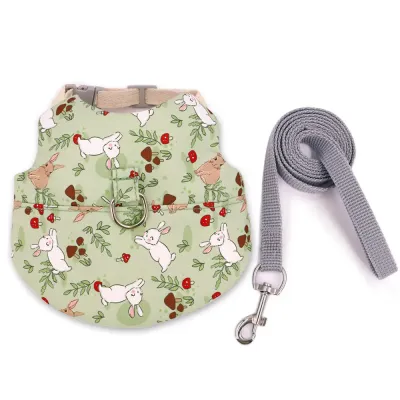
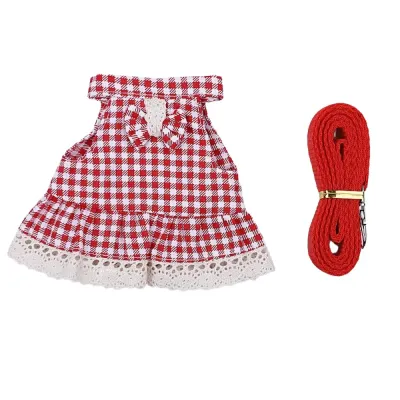
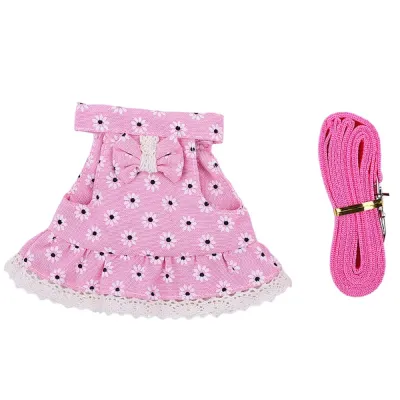
- Pet clothing (popular in cold U.S. regions like the Northeast)
- Bedding and mats
Procurement Advice: Check the quality and stitching durability—U.S. customers prioritize products that don’t fray after washing. Petfairs provides a curated selection of recycled fabric items with OEKO-TEX certification, suitable for small and large pet stores alike.
5. Natural Materials: Cotton, Wool, and Wood
Natural materials are a classic choice for pet products due to their biodegradability and safety. Cotton, wool, and wood are commonly used to make toys, bedding, and accessories. Organic cotton (grown without pesticides) is a hit among U.S. millennial pet owners, who value “clean” products for their pets. They are gentle on pets and provide an eco-friendly alternative to synthetic materials.
Examples:
- Cotton rope chew toys (safe for teething puppies)
- Woolen pet blankets (top-selling in winter months)
- Wooden chew sticks (must be untreated to comply with U.S. safety standards)
Retail Insight: Products made from natural materials appeal to customers looking for organic and sustainable options—highlight “pesticide-free” or “biodegradable” in product listings to boost click-through rates.
6. Bio-Based Plastics
Bio-based plastics are derived from renewable resources like corn or sugarcane. These materials are becoming more common in pet bowls, toys, and feeding accessories. They offer the durability of traditional plastics but with a 30-50% lower carbon footprint, which resonates with U.S. states with strict environmental regulations (e.g., California, Oregon). They offer the durability of traditional plastics but with a lower environmental footprint.
Benefits:
- Sustainable and renewable
- Durable and easy to clean
- Safe for pets (ensure they are BPA-free, a must for U.S. pet products)
7. Hemp Fiber
Hemp is gaining attention for its strength, durability, and natural antibacterial properties. Hemp fiber products are legal in all 50 U.S. states and are marketed as “premium eco-friendly” options, with a price point 15-20% higher than cotton alternatives. Hemp fiber products are environmentally friendly and suitable for toys, leashes, and bedding. Hemp’s texture provides a satisfying chew experience for dogs.
Retail Tip: Hemp items can be marketed as eco-conscious alternatives, appealing to environmentally aware pet owners—pair them with “sustainable living” content (e.g., blog posts on reducing pet carbon footprints) to drive sales.
8. TPU Blends
Thermoplastic Polyurethane (TPU) blends combine elasticity, toughness, and water resistance. They are commonly used in interactive toys, outdoor gear, and accessories. TPU waterproof mats are top-sellers for U.S. pet owners with outdoor patios or rainy climates (e.g., Washington, Oregon). TPU products are durable, flexible, and maintain their shape even after heavy use.
Applications:
- Outdoor toys (resistant to UV rays and water)
- Waterproof mats
- Travel accessories
9. Recycled Plastic
Recycled plastics are transforming pet product manufacturing. They are safe, durable, and appeal to eco-conscious customers. Look for products made from post-consumer recycled (PCR) plastic, which is preferred by U.S. retailers like Petco and Chewy for their sustainability initiatives. These materials are commonly used in toys, bowls, and even training products.
Retail Advice: Ensure recycled plastic products are BPA-free and meet CPSIA safety standards (required for pet toys sold in the U.S.). Petfairs offers a variety of certified recycled plastic items for pet stores worldwide, with clear compliance documentation.
10. Organic Cotton
Organic cotton is grown without harmful chemicals, making it safe for pets and eco-friendly. It's ideal for bedding, plush toys, and apparel. The soft texture and hypoallergenic properties make organic cotton products a hit for pets with sensitive skin—a concern for 42% of U.S. pet owners. The soft texture and durability make organic cotton products highly appealing to pet owners.
Stocking Tip: Promote organic cotton items as premium, sustainable options to attract conscious shoppers—use labels like “GOTS-certified” (Global Organic Textile Standard) to build trust.
11. Innovative Material Blends
Many manufacturers are combining materials, such as TPR with silicone or TPU with recycled fabrics, to create products that are durable, safe, and environmentally responsible. Hybrid products like “TPR core + silicone exterior” treat toys have 2x higher repeat purchase rates in the U.S., as they offer multiple benefits in one item. These hybrid products often offer the best of multiple materials.
Examples:
- Treat-dispensing toys with TPR core and silicone exterior (safe for chewing + easy to clean)
- Outdoor chew toys with TPU and recycled fabric layers (waterproof + eco-friendly)
12. Materials for Outdoor Pet Gear
Durable, waterproof, and abrasion-resistant materials are crucial for outdoor products. U.S. pet owners spend $12.5 billion annually on outdoor pet gear, with “weather-resistant” being the top searched feature. Pet jackets, backpacks, and travel accessories benefit from TPU blends and coated fabrics that resist wear and tear.
Retail Tip: Highlight durability and weather resistance when marketing outdoor items—include use cases like “perfect for hiking in Colorado” or “rainproof for Seattle winters” to target regional customers.
13. Materials That Promote Pet Health
Safety is a top concern for pet owners. Materials should be non-toxic, allergen-free, and hygienic. U.S. pet product recalls due to toxic materials have increased awareness—91% of owners now check material safety labels before purchasing. Products made from TPR, silicone, or natural fibers can help reduce risks of allergies or ingestion hazards.
14. Material Choices and Store Inventory
For pet retailers, material trends directly impact inventory strategy. Eco-friendly, safe, and durable products are not only appealing to customers but also reduce returns and complaints. Retailers stocking sustainable materials have seen a 28% increase in customer loyalty, according to a Pet Business Magazine survey. Choosing trending materials ensures your store stays competitive.
Petfairs Advantage: Low MOQ (starting at 1 Carton), fast shipping (3-7 days from U.S. warehouses), and a wide variety of innovative materials make stocking trending products easier for small and medium-sized businesses.
15. Future Trends in Pet Product Materials
The pet product industry is moving towards more sustainable, recyclable, and innovative materials. Biodegradable plastics and algae-based fabrics are emerging trends, with U.S. retailers expecting them to account for 15% of pet product materials by 2026. Consumers are increasingly demanding products that are safe for their pets and kind to the environment. Staying ahead of these trends allows retailers to meet growing customer expectations.
Conclusion
From TPR and silicone to recycled fabrics and hemp, modern pet products are being redefined by innovative, safe, and sustainable materials. For pet store owners, understanding these materials is essential for sourcing the right products that resonate with U.S. consumers. Petfairs offers a comprehensive range of trending materials, helping retailers stock high-quality, eco-conscious, and durable products with ease.
Ready to stock your store with the latest trending materials in pet products? Explore Petfairs today for a wide selection of TPR, silicone, recycled fabrics, and more—enjoy low MOQ, fast U.S. warehouse shipping, and dedicated compliance support. Contact our team to get a customized product list based on your store’s target U.S. audience (e.g., eco-conscious pet owners, outdoor enthusiasts, puppy parents).

 Popular Blogs