

Top-Selling Interactive Dog Toys Your Pet Store Should Stock
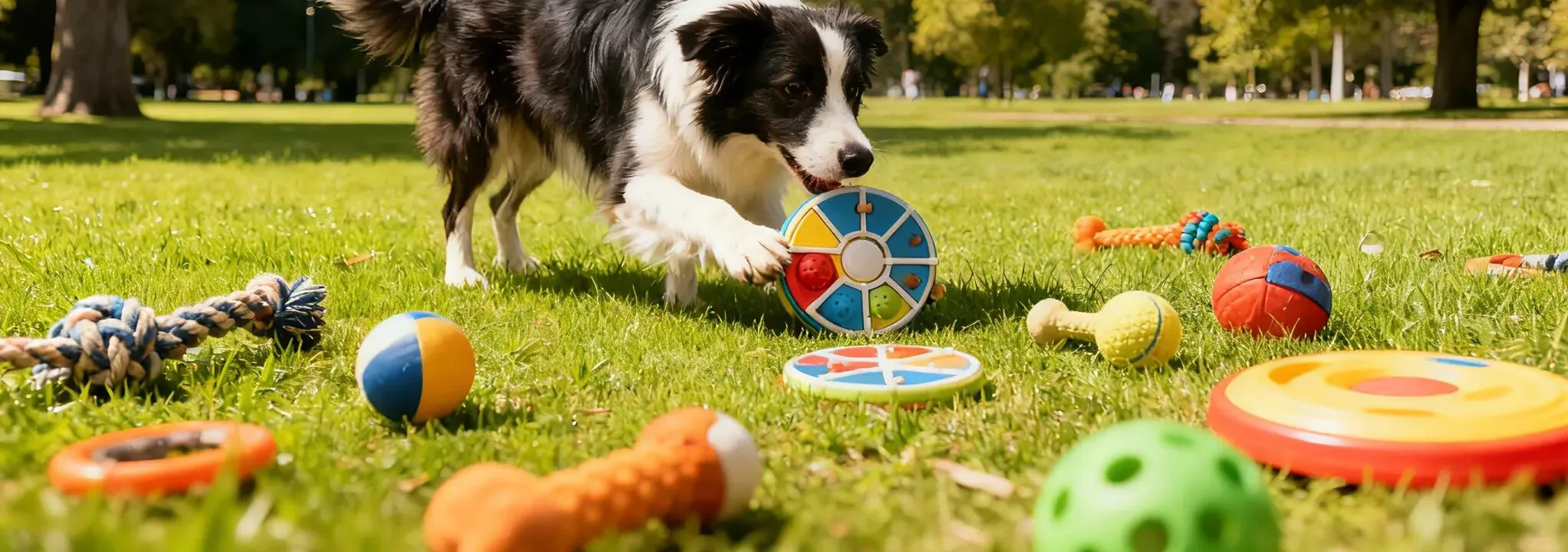
What Are Interactive Dog Toys?
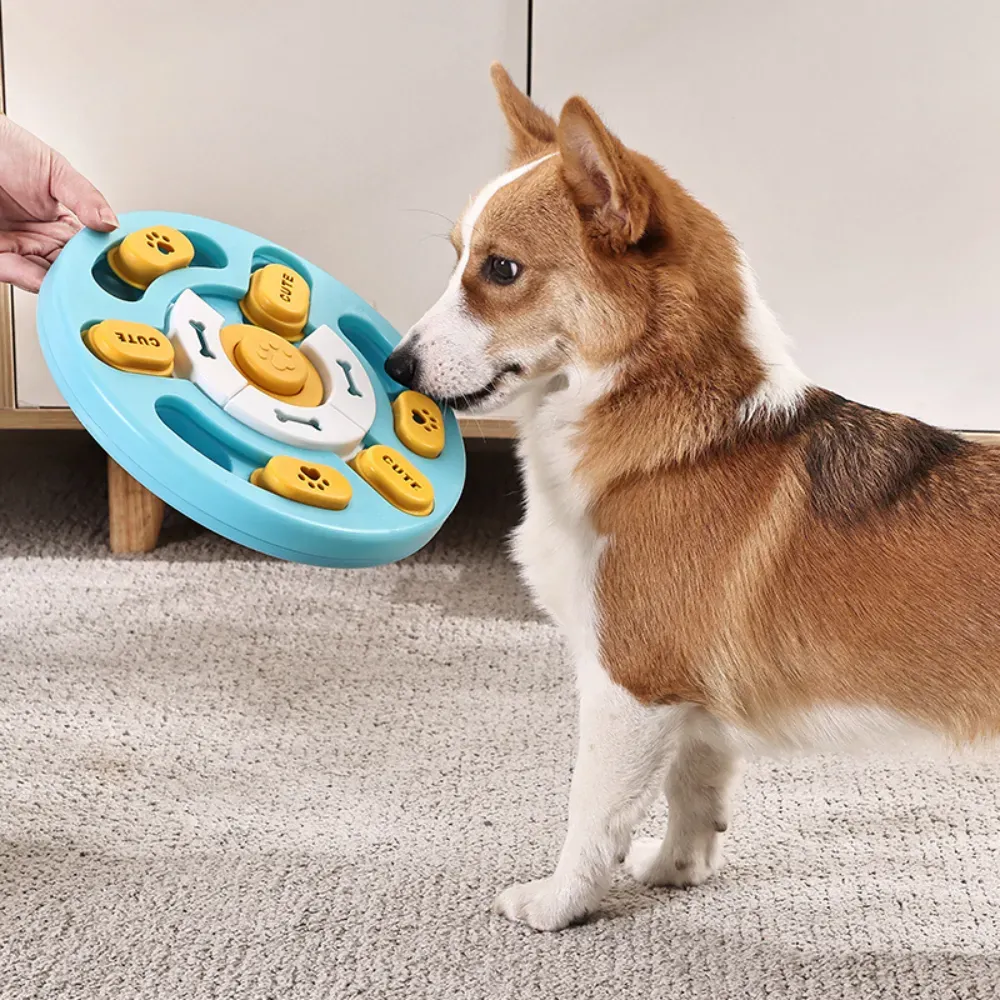
Interactive dog toys are specially designed toys that engage dogs through responsive actions, encouraging them to think, move, and solve problems while playing. Unlike standard plush toys or chew toys, interactive toys incorporate movement, sounds, structural designs, reward mechanisms, and varying difficulty levels to actively involve your dog—making playtime dynamic, stimulating, and rewarding.
For pet store owners, keeping your inventory stocked with fun and engaging interactive dog toys is easy with Petfairs. Petfairs connects you with reliable suppliers, so you can quickly find high-quality toys that keep dogs entertained and mentally stimulated. By sourcing through Petfairs, you can offer your customers exciting new products without the usual hassle, helping your store stand out.
Key Features of Interactive Dog Toys
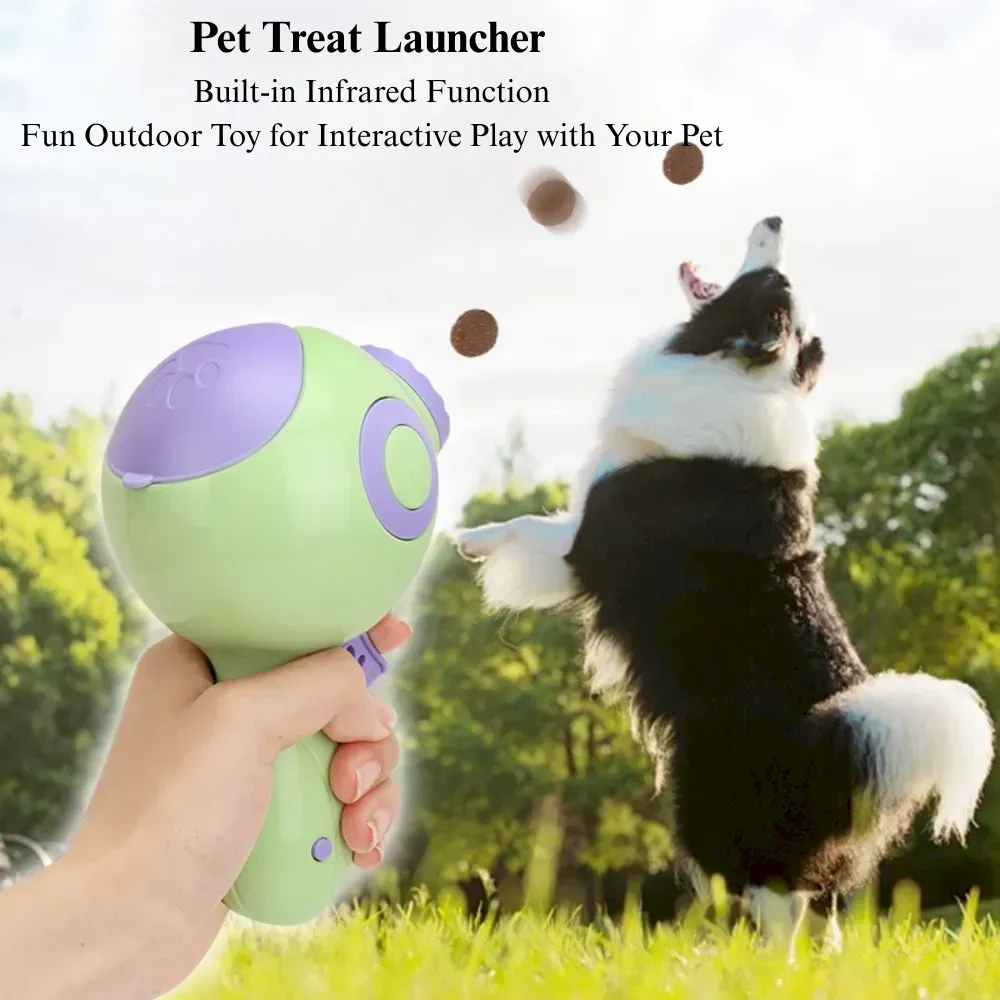
Interactive dog toys stand out because they offer more than just one-way play. Here are the core features that make them a must-have for dogs and pet stores alike:
- True Interactivity – Unlike ordinary toys, interactive toys respond to the dog’s actions. For example, when a dog pushes a toy, it might roll, dispense treats, make sounds, or vibrate. The more the dog engages, the more the toy reacts.
- Mental and Sensory Stimulation – Many interactive toys are designed to challenge a dog’s mind or sense of smell. Puzzle toys, sniffing mats, and treat-dispensing toys keep dogs thinking and exploring.
- Extended Playtime – Interactive toys can keep dogs entertained on their own for 10–30 minutes or more, helping busy owners manage their pets’ energy and activity levels.
- Behavioral Benefits – By keeping dogs engaged, these toys can reduce boredom, anxiety, and destructive behaviors like chewing. They are especially helpful for indoor dogs, high-energy breeds, or dogs prone to separation anxiety.
Common Types of Interactive Dog Toys
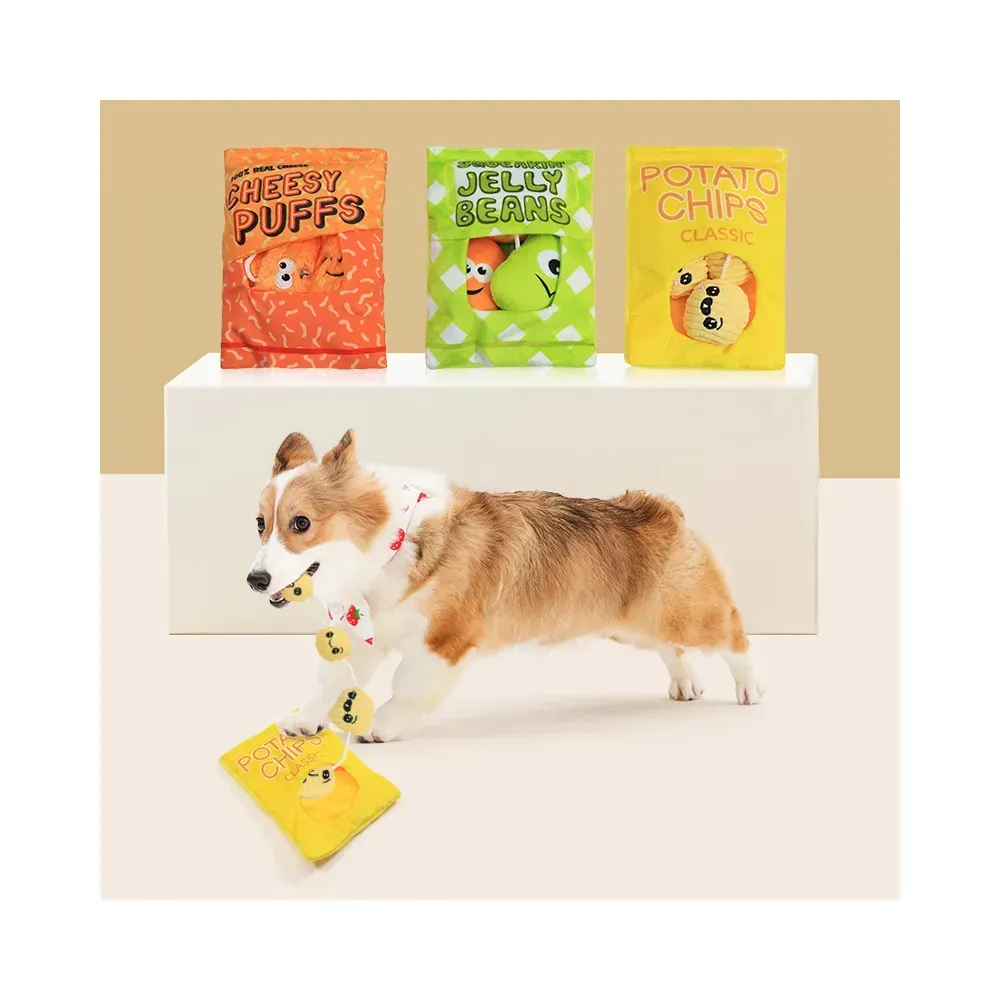
Interactive dog toys come in a variety of styles, each designed to engage dogs in different ways:
| Toy Type | Key Features | Example Play |
|---|---|---|
| Treat Dispensing Toys | Reward dogs with treats as they play, encouraging problem-solving and active engagement | Push or roll the toy to release treats |
| Puzzle Toys | Challenge a dog’s mind; dogs must solve puzzles to access rewards | Move pieces or open compartments to get treats |
| Snuffle Toys | Encourage sniffing and mental stimulation by hiding treats in layers of fabric | Search through fabric layers to find hidden treats |
| Electronic Smart Toys | Battery-operated or automatic toys that move or react, keeping dogs entertained alone | Self-rolling balls or interactive electronic toys |
| Fetch & Tug Toys | Promote interactive play and physical activity through fetch or tug games | Toss and retrieve, tug-of-war with owner |
| Squeaky / Motion Toys | Respond to touch with sounds or movements, stimulating curiosity and active play | Squeaky toys, vibrating toys, or toys that move when touched |
Why Interactive Dog Toys Are Booming in the Global Pet Market

Interactive dog toys have become a hot trend worldwide, and for good reason. They help dogs burn off excess energy, reducing destructive behaviors like chewing and messing around at home. Many toys also support training by improving focus and promoting better behavior.
For busy pet owners, these toys allow dogs to play independently, keeping them engaged even when their humans are occupied. Social media platforms like TikTok and Instagram Reels have also played a big role in popularizing interactive toys, as fun and engaging videos showcase dogs enjoying these products.
From a business perspective, interactive dog toys are a key category for pet stores because they offer high margins and strong repeat purchase potential. Retailers who stock these innovative toys can meet growing customer demand while boosting store profitability.
Why Dogs Need Interactive Toys
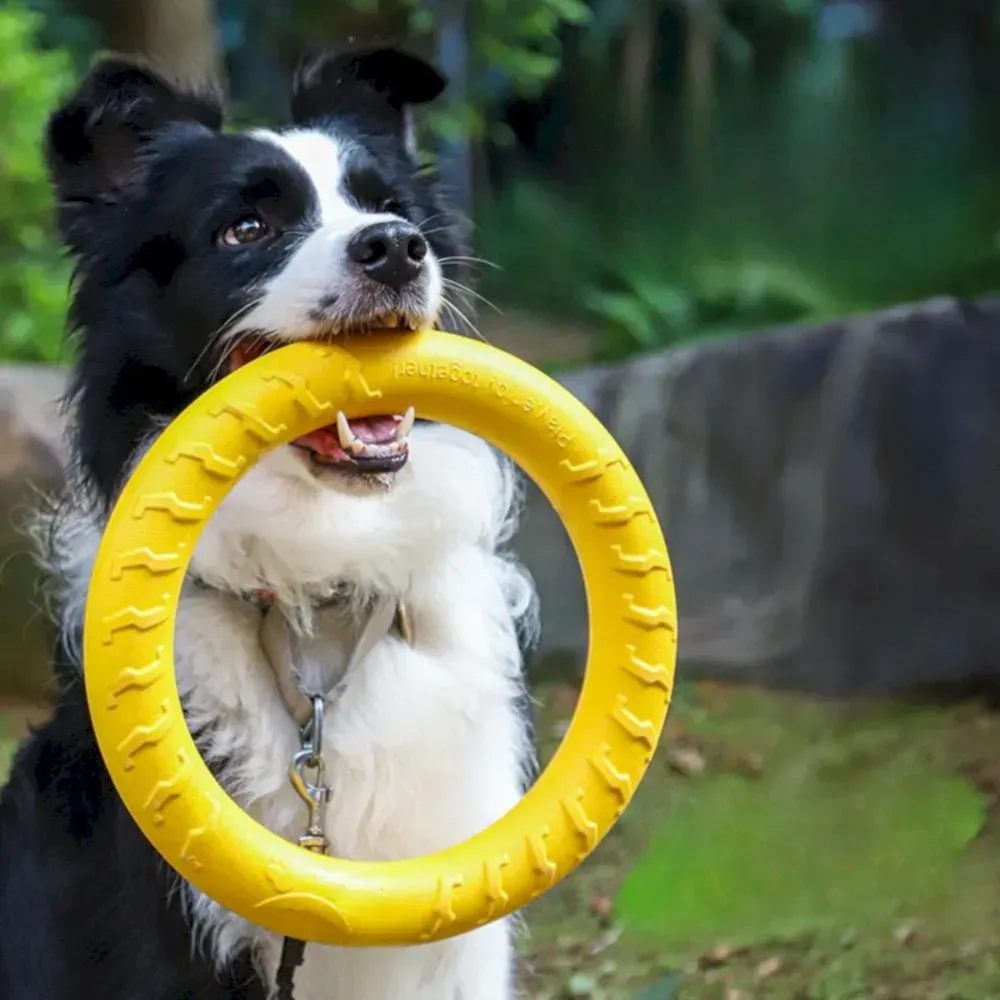
Dogs don’t just need physical exercise—they also need mental stimulation and emotional engagement. Interactive dog toys perfectly meet both needs, offering far more value than ordinary toys.
- Relieve Boredom and Anxiety – When dogs are left alone for long periods or lack stimulation, they may develop destructive behaviors, chew furniture, or bark excessively. Interactive toys engage dogs in problem-solving or reward-based play, helping to reduce stress and anxiety.
- Boost Intelligence and Cognitive Skills – Many interactive toys include puzzles, hidden treats, or scent-based challenges that encourage dogs to think and strategize. Regular play can improve learning ability, problem-solving skills, and focus.
- Burn Energy and Reduce Excessive Excitement – Combining movement, rolling, and tugging elements, interactive toys allow dogs to expend energy while playing, especially beneficial for high-energy dogs or those who can’t go on frequent walks.
- Improve Behavior and Training – Through interactive play, dogs can learn patience, retrieval skills, and focus. When combined with owner guidance, these toys can enhance overall training outcomes.
- Encourage Independent Play – Interactive toys can keep dogs entertained on their own for 10–30 minutes or longer, making them ideal for busy owners who cannot always supervise playtime.
Are Interactive Toys Suitable for All Dogs?
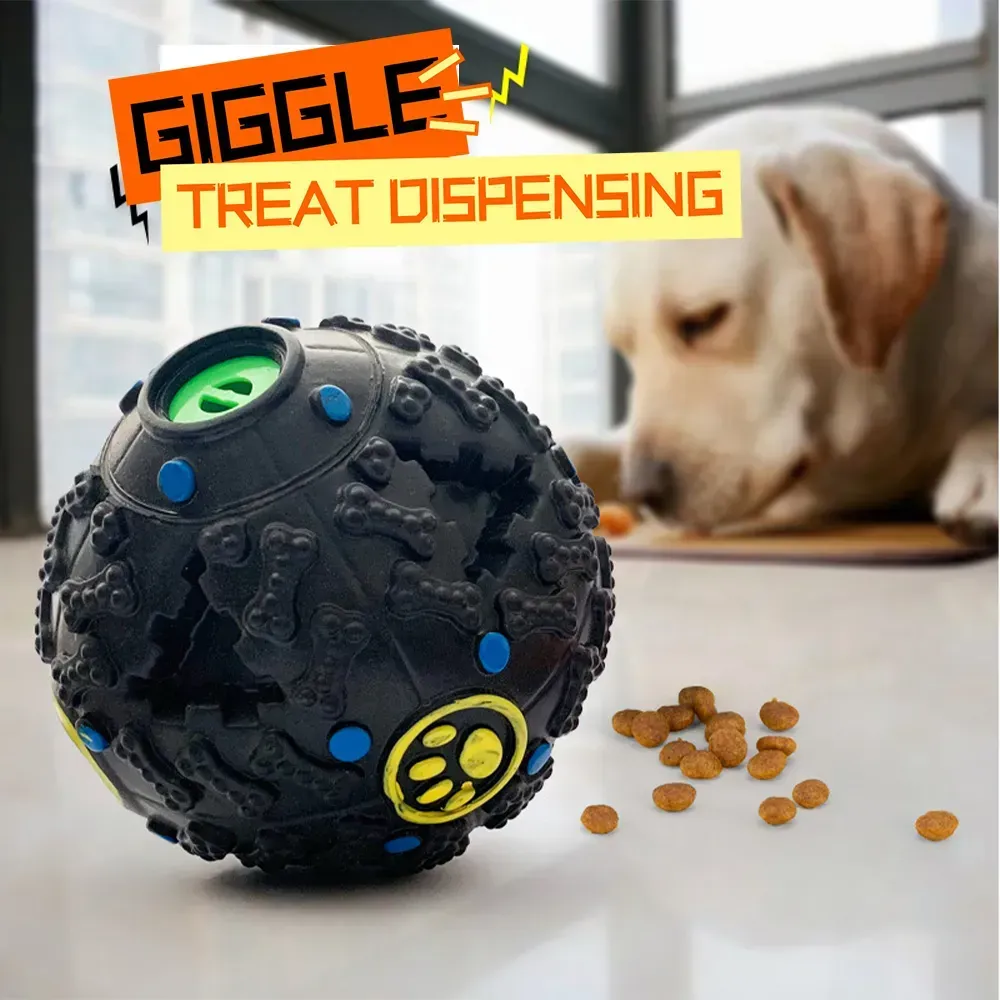
Interactive dog toys can be beneficial for most dogs, but not every toy suits every dog. The ideal choice depends on a dog’s age, size, personality, and bite strength. Puppies, for example, do best with soft, safe toys that may include treat rewards or sniffing challenges, while avoiding sharp, hard toys or small parts that could be swallowed. Adult dogs can enjoy puzzle toys, treat-dispensing toys, tug toys, or electronic interactive toys, with durability being especially important. Senior dogs, on the other hand, usually prefer lightweight, low-difficulty, and soothing toys that won’t overstimulate or tire them out.
Size also matters. Small dogs benefit from compact, lightweight toys that are easy to handle, while medium and large dogs need stronger, more durable materials like TPR or rubber, with sizes suited to their mouths. Personality plays a role too. Active dogs often enjoy movement-based or electronic smart toys that encourage running and exploration, whereas shy or sensitive dogs do better with quiet, sniffing toys, avoiding anything that makes loud noises or strong vibrations.
Finally, the material and safety of the toy must match the dog’s chewing ability. Strong biters require durable, chew-resistant toys, while gentle biters or small-mouthed dogs do better with lightweight, easy-to-handle toys that have clear reward mechanisms. By considering these factors, owners can choose interactive toys that are both safe and engaging, ensuring enjoyable playtime for every dog.
Can Interactive Dog Toys Really Reduce Anxiety?
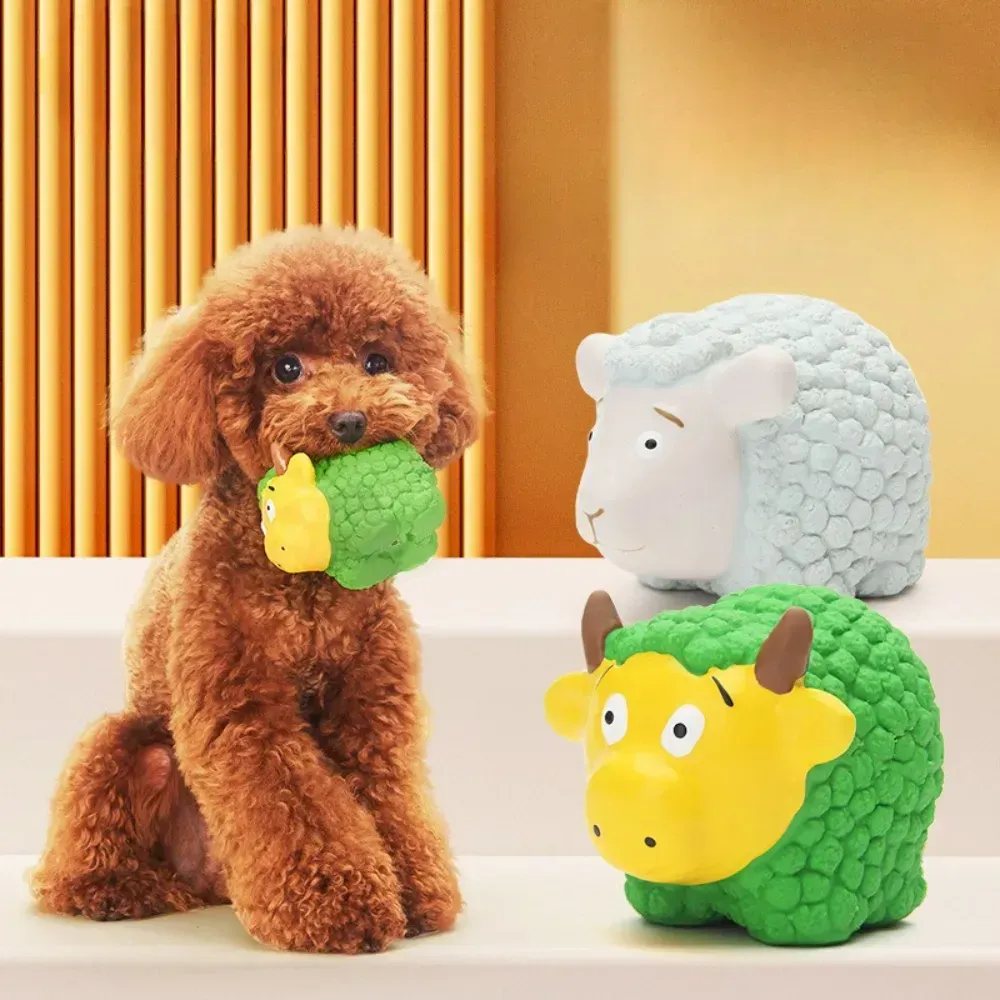
Yes, interactive dog toys can be highly effective in reducing anxiety and boredom-related behaviors, especially for dogs left alone for long periods or with excess energy.
Interactive toys work by engaging dogs’ minds and bodies, encouraging them to focus on problem-solving and reward-based play. This mental and physical engagement helps reduce anxious behaviors such as chewing furniture or shoes, excessive barking, or persistent scratching at doors and walls. By keeping dogs focused on play, these toys help redirect their energy away from destructive or stressful activities.
Certain types of interactive toys are particularly effective for anxious dogs. Treat-dispensing toys keep dogs busy retrieving rewards through rolling or spinning mechanisms. Puzzle toys challenge their thinking, providing mental stimulation and engagement. Snuffle toys mimic natural foraging behavior, offering a calming effect, while gentle electronic interactive toys that move slowly or make mild sounds can capture attention without overwhelming the dog.
It’s important to note that interactive toys aren’t a cure-all. Dogs with severe anxiety may still require behavioral training or guidance from a veterinarian. The toy’s difficulty level should be appropriate—not too hard to frustrate the dog, and not too simple to fail to hold their interest. Safety is also crucial, with chew-resistant materials and no small parts that could be swallowed.
Choosing the Right Interactive Toys for Puppies, Large Dogs, and Senior Dogs
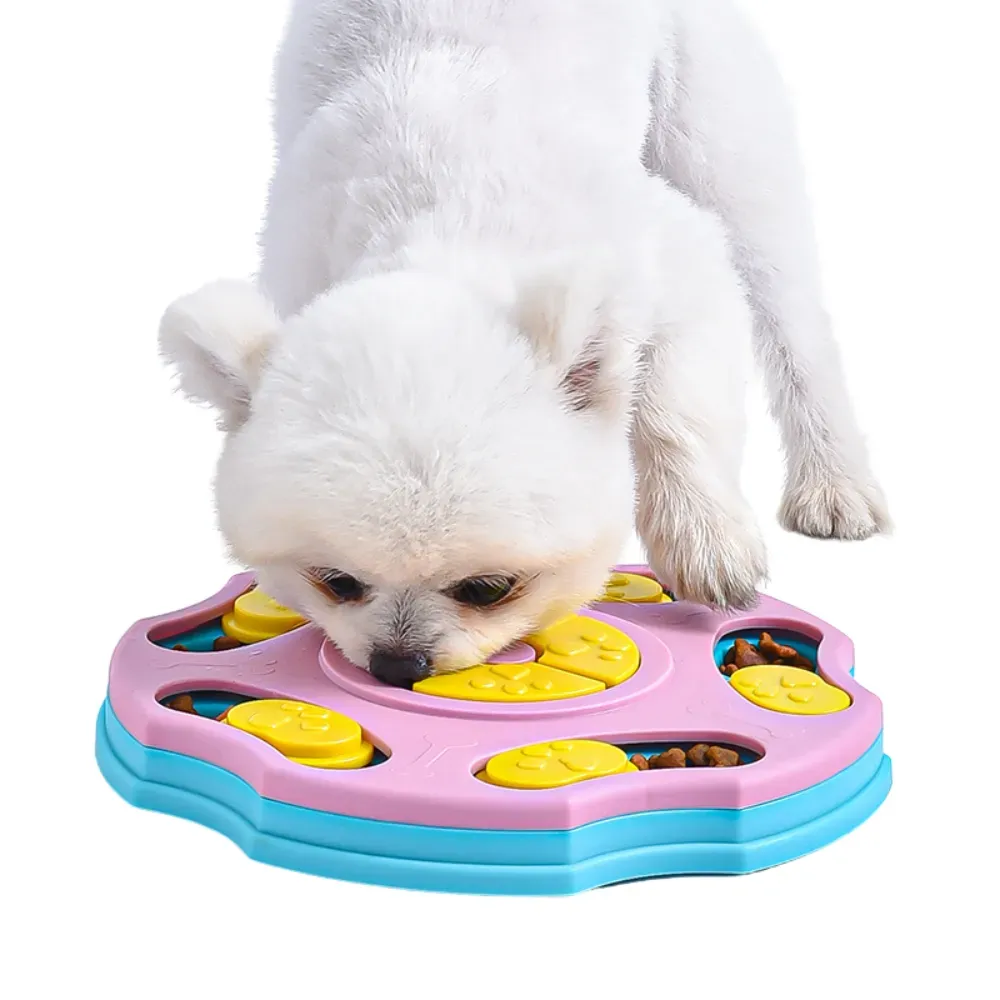
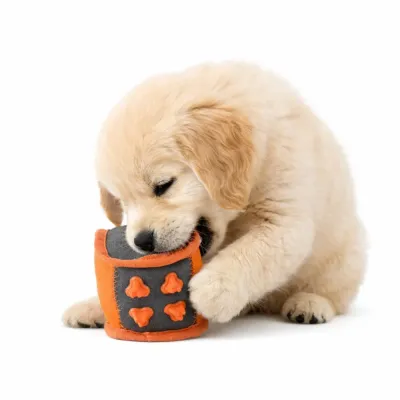
Different dogs have different needs, and selecting the right interactive toys can make playtime both safe and enjoyable. Puppies benefit most from soft, lightweight toys that are easy to handle and safe to chew. Toys that include treat rewards or sniffing challenges are excellent for mental stimulation, while avoiding small parts or hard materials that could pose a choking hazard.
For large dogs, durability is key. Toys made from strong materials such as TPR or heavy-duty rubber are ideal, especially for puzzle toys, treat-dispensing toys, or tug toys. Electronic smart toys that can handle rough play are also a good choice, ensuring the toy withstands powerful bites and high-energy activity.
Senior dogs often prefer gentle, low-impact play. Lightweight toys with simple challenges or snuffle toys that encourage slow sniffing and foraging are perfect for keeping older dogs engaged without overexerting them. Toys that are easy to manipulate and don’t require intense physical effort help maintain mental stimulation while accommodating their reduced mobility or stamina.
By choosing toys suited to a dog’s age, size, and energy level, owners can ensure that playtime is both safe and enriching, keeping every dog happy and healthy.
Recommended Interactive Dog Toys to Source on Petfairs
If you're looking to stock top-selling interactive dog toys in your pet store, here are five standout options that combine engagement, durability, and novelty — all excellent choices when sourcing from Petfairs:
1. Interactive Double Layers Rotating Puzzle Feeder
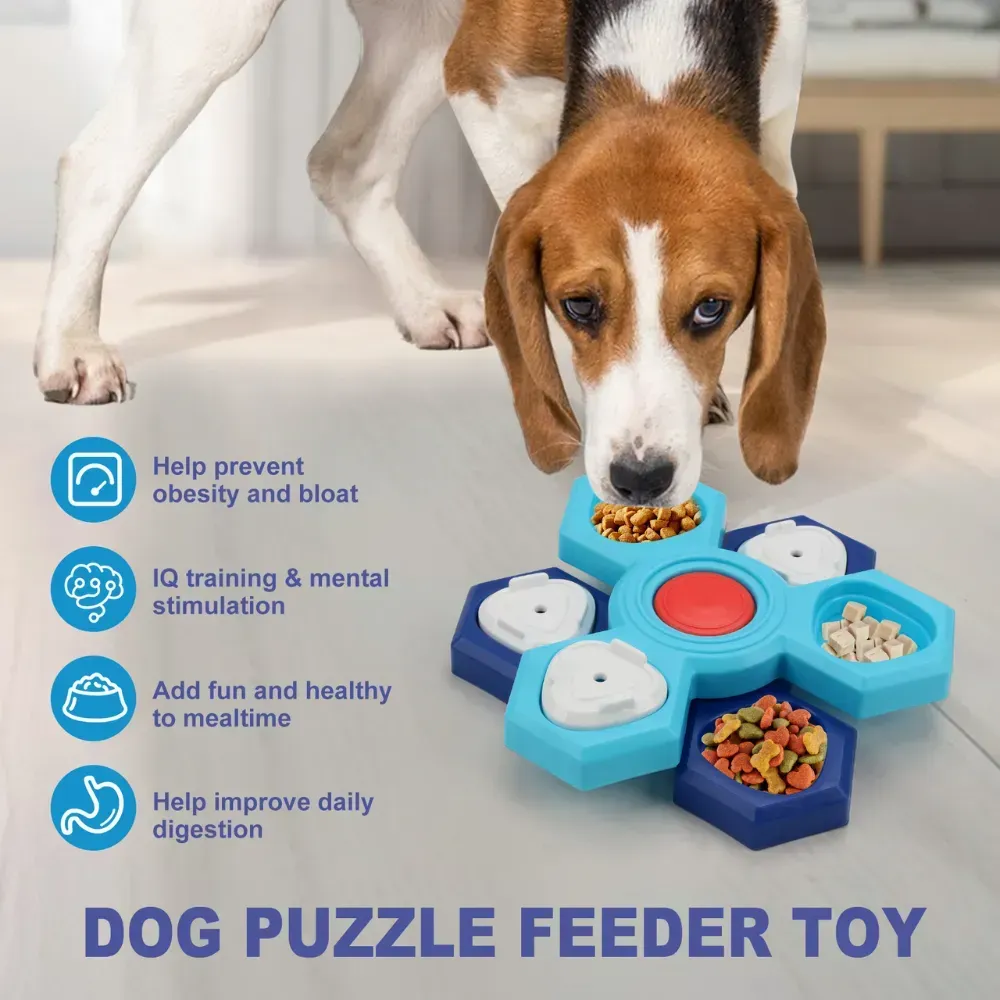
This type of puzzle–feeder toy offers two rotating layers where dogs must spin parts to access hidden kibble or treats. It’s a smart slow feeder that promotes problem-solving and quiet play. On Petfairs, you can find similar double-layer rotating feeder toys under the interactive toys section.
- Why source it? This feeder helps slow down fast eaters and provides mental enrichment, making it a great value-add in your pet store inventory.
- Retail potential: Excellent for repeat purchases — once owners see how much their dogs engage, they'll come back for more or recommend to others.
2. Flying Saucer / Frisbee Ball Interactive Toy
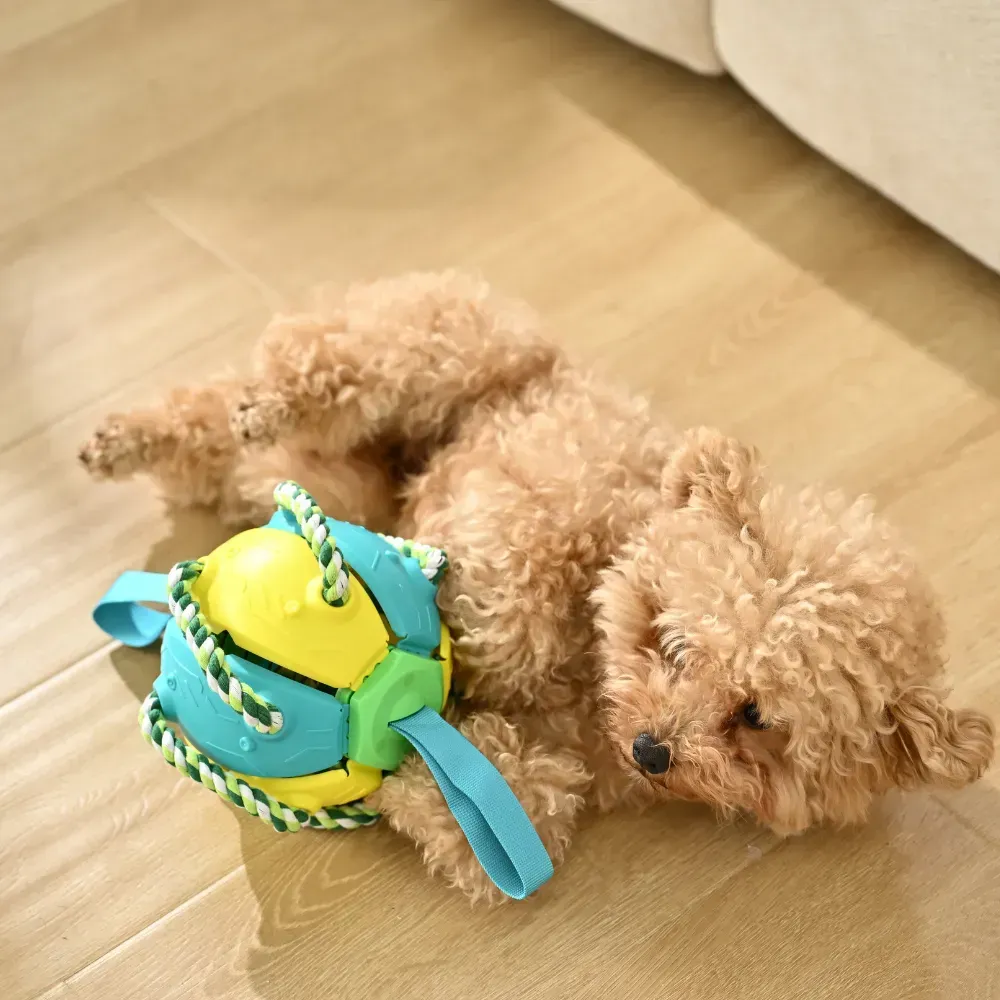
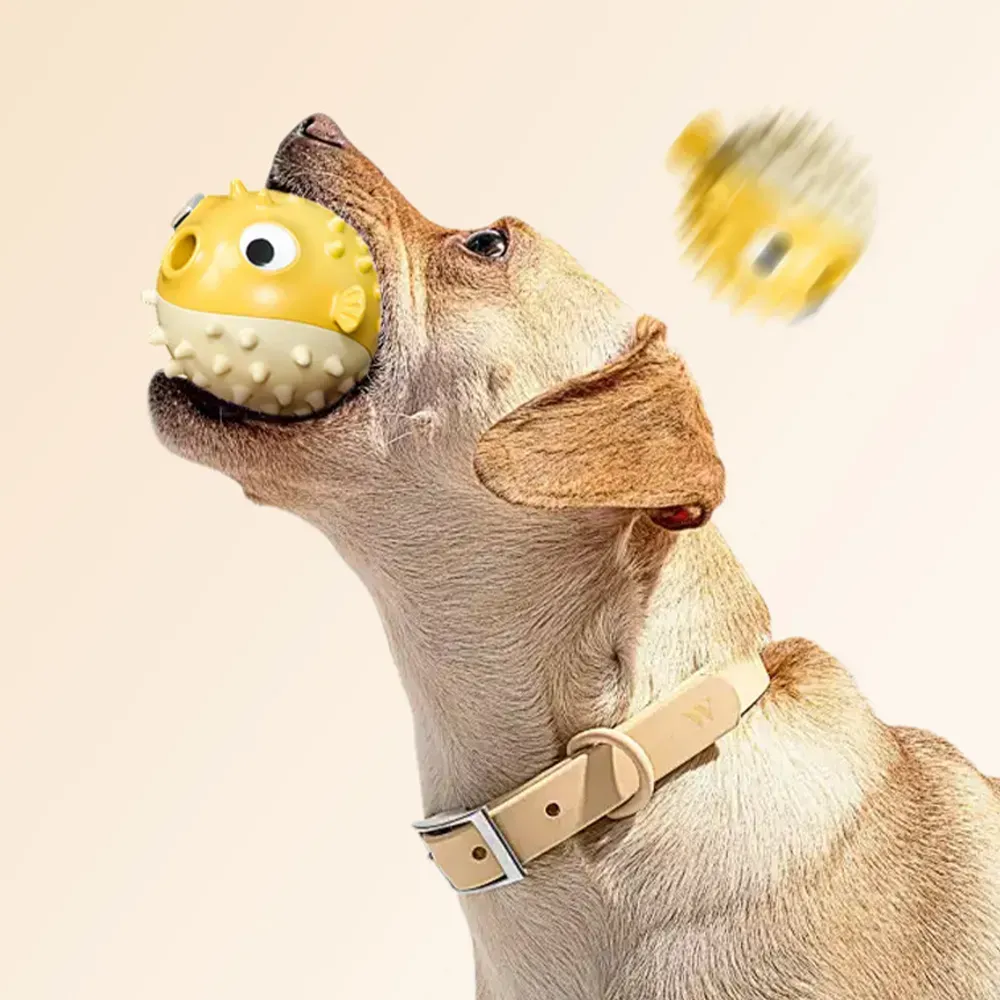
A flying disc that doubles as a treat puzzle or feeder is a highly multifunctional item. On Petfairs, you can find flying saucer-style ball toys that match this description.
- Why source it? Combines fetch, rolling, and feeding — appealing to owners who want to maximize playtime with one versatile product.
- Retail potential: Great for outdoor or active dog owners; its novelty makes it a standout item that can drive impulse buys or social media-driven demand.
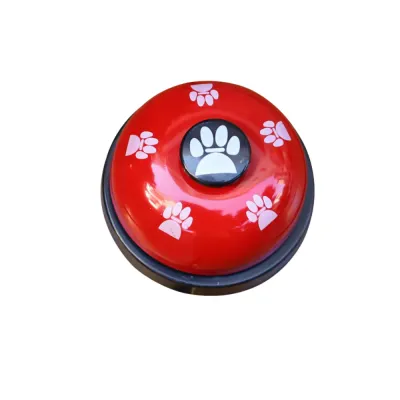
3. Pet Training Bell / Intelligence Call Bell Toy
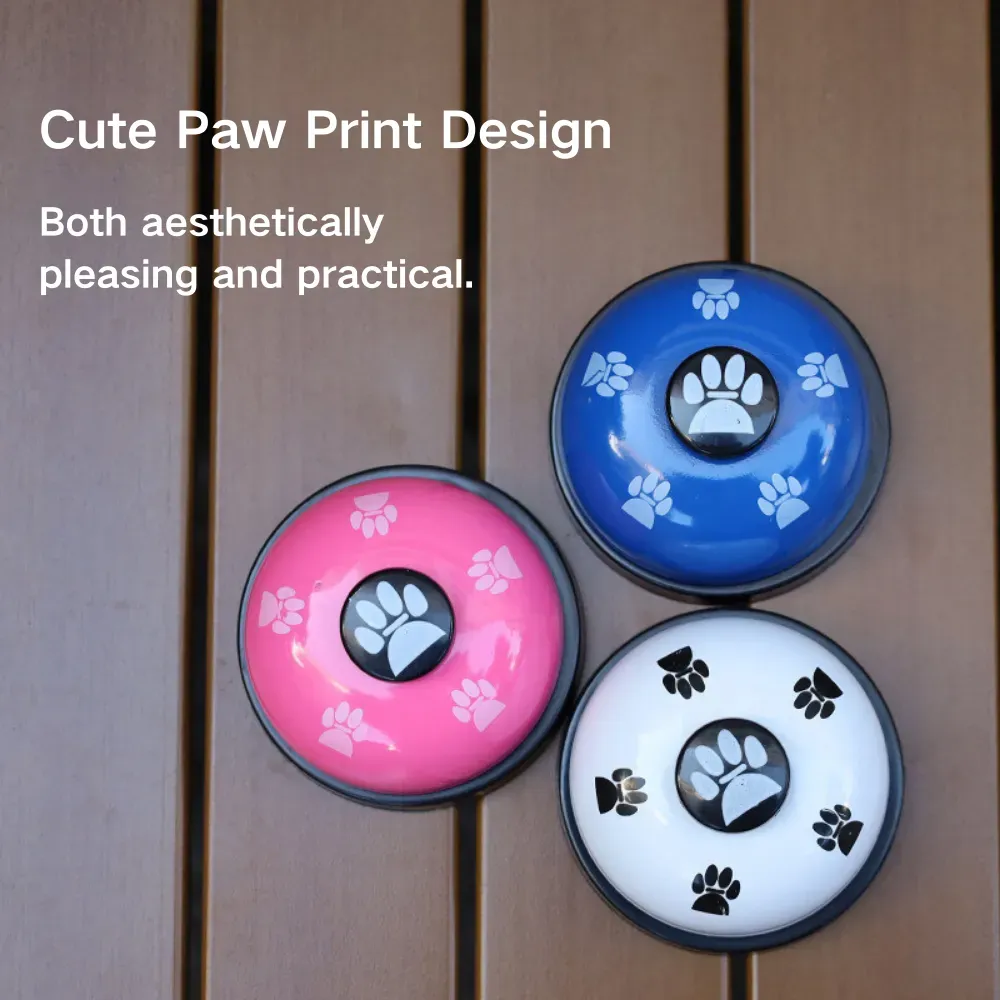
Training bells are trendy and functional — dogs learn to “call” their owner when they want to go out or have a meal. Lucky for you, Petfairs also lists a Pet Training Bell Intelligence Toy.
- Why source it? This toy blends training and interactivity: it supports behavior training while giving dogs a sense of agency.
- Retail potential: Very giftable, especially for new pet parents, and useful in behavior-training bundles.
4. Thickened Felt Puzzle Toy
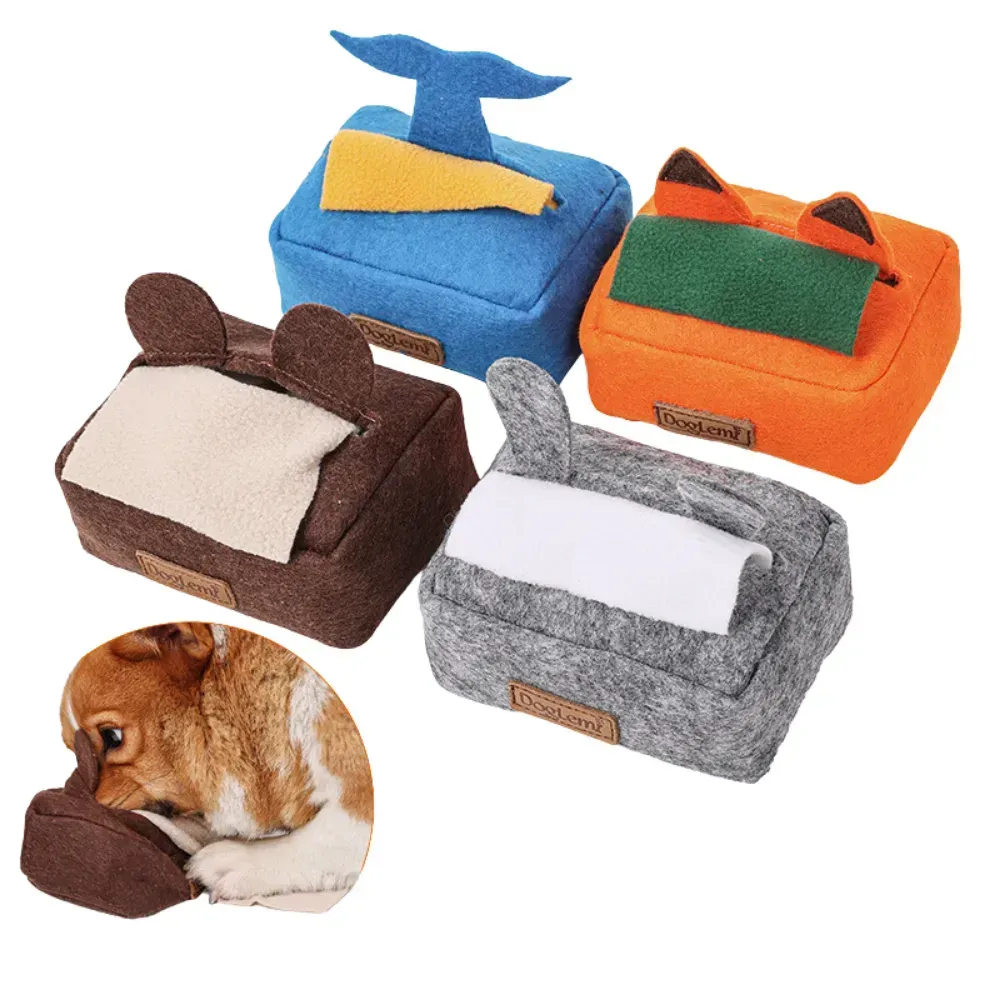
Felt-based puzzle toys are soft, safe, and great for hiding treats in folds or pockets. Petfairs has “Thickened Felt Fabric Interactive Puzzle Dog Toys” in its catalog.
- Why source it? Felt is gentle on dogs’ mouths, yet puzzles made from it provide cognitive stimulation without loud noises or moving parts. Ideal for more sensitive or older dogs.
- Retail potential: With sustainability trends rising, felt toys appeal to eco-conscious customers; also good for calm enrichment.
5. Non-Electric Push Toy (e.g. Yellow Duck Design)
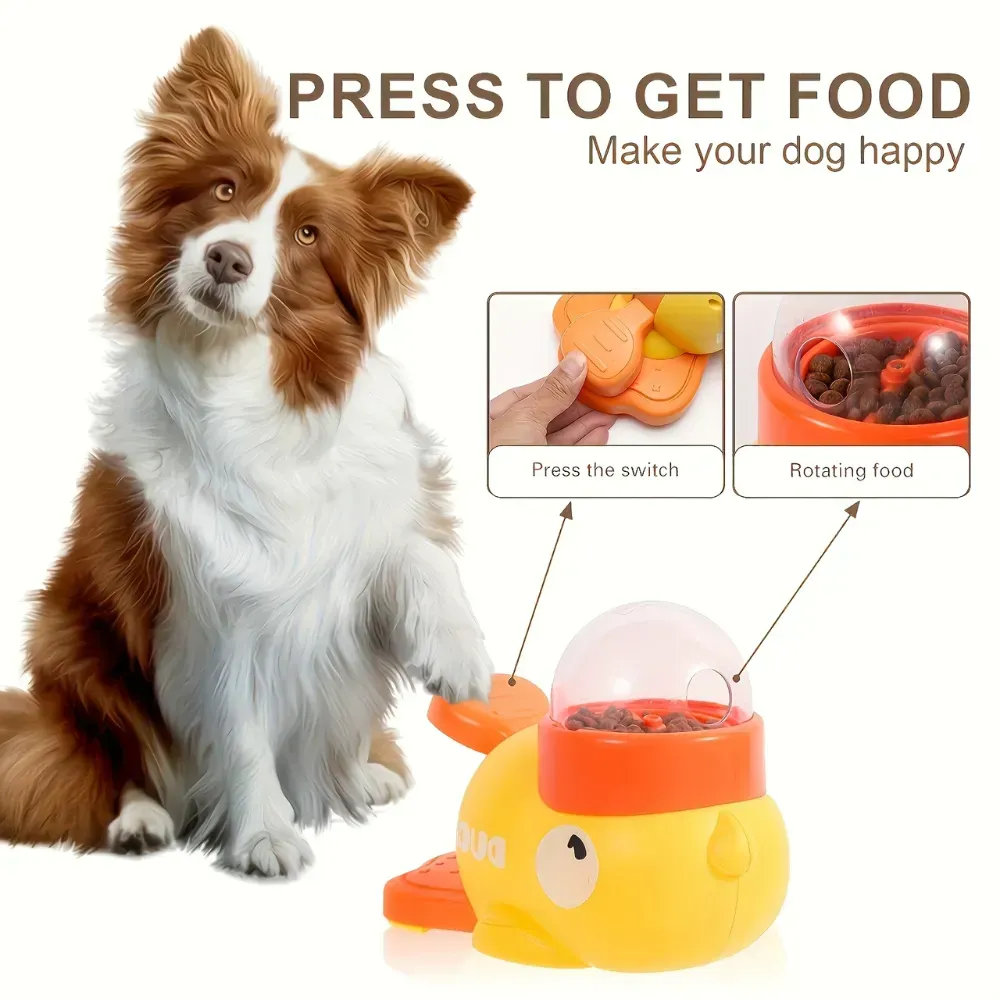
A push toy shaped like a duck (or other fun shapes) encourages dogs to nudge or push and dispense kibble or treats, without needing batteries or electronics. Petfairs’ interactive toy category includes non-electric enrichment toys that match this concept.
- Why source it? Simplicity is its strength: no battery required, which reduces risk, and it's often very durable. Great for both play and feeding.
- Retail potential: Affordable, low-maintenance, and easy to demo in the store: owners can try it out with their dogs, and its cute design (like a duck) can attract impulse buyers.
Why Choose Petfairs for These Interactive Toys
- Low MOQ / Flexible Sourcing: Petfairs supports small to mid-size pet retailers with low minimum order quantities, so you can test these interactive toys without overcommitting inventory.
- Factory-Direct Pricing: Their model connects you with verified manufacturers, which helps you maintain healthy margins on these high-engagement toys.
- Quality Assurance: Petfairs conducts quality inspections to ensure the interactive toys are durable and safe.
- Efficient Restocking: With a global supply chain and fast shipping options, you can restock quickly when these hot toys fly off your shelves.
Conclusion
Interactive dog toys are no longer just a “nice to have” — they’ve become an essential category for modern pet stores. From reducing anxiety and preventing destructive behavior to supporting cognitive development in puppies, seniors, and large breeds, these toys deliver real value to both pets and their owners.
For retailers, the category offers high engagement, strong repeat purchases, and social-media-driven demand that shows no sign of slowing down. Whether it’s puzzle feeders, snuffle toys, training bells, or non-electric push toys, adding a diverse range of interactive toys can significantly elevate your store’s product mix and customer experience.
If you're looking to expand your interactive dog toy selection with reliable quality and flexible sourcing, platforms like Petfairs make it easier to discover trending designs, test new products with low MOQs, and keep your inventory fresh all year round. By choosing the right assortments, you’ll not only meet the needs of today’s pet parents — you’ll stay ahead of the competition in a fast-growing market.


 Popular Blogs