

Adopt a Senior Pet Month: Senior Dog & Cat Adoption Guide
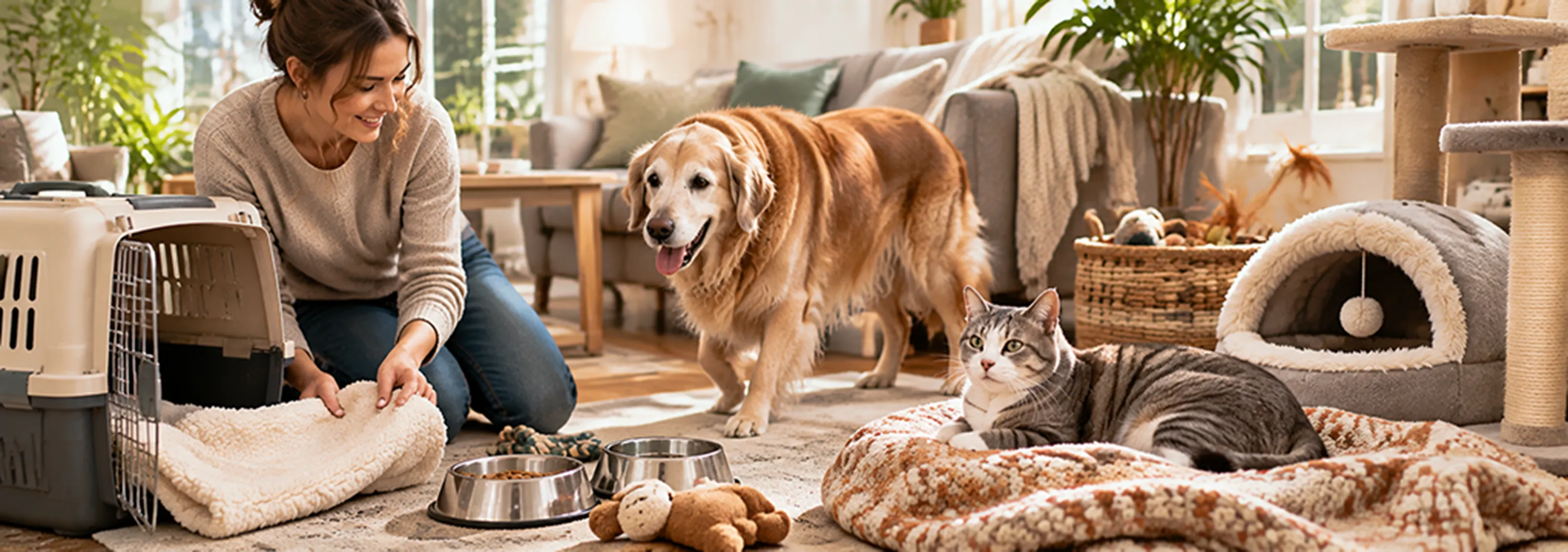
Adopting a senior pet is more than giving an older dog or cat a new home. It is an opportunity to offer an overlooked animal comfort, stability, and companionship during an important stage of life. Every November, Adopt a Senior Pet Month encourages people to look beyond age when considering adoption and recognize that older pets can still enjoy meaningful, happy lives with the right care.
Yet senior dogs and cats continue to face adoption challenges. According to Shelter Animals Count's 2025 animal-level data, senior dogs aged seven and older had an adoption rate of 37%, compared with 54% for both puppies and adult dogs. Senior cats had a higher adoption rate of 61%, but this was still below the 69% rate for adult cats and 71% for juvenile cats.
These differences highlight an important issue: age can influence how potential adopters view shelter animals, even when an individual senior pet may be a wonderful match for a family.
From my perspective, how we treat older dogs and cats says something important about the compassion and values of a community. A society's responsibility toward animals should not end when they become less energetic, less independent, or more dependent on care. Their value does not disappear with age.
For families considering adoption, the decision should be based on an animal's personality, health, and individual needs rather than age alone. For animal shelters, veterinary practices, groomers, and pet businesses, supporting senior pets also means improving access to suitable care, comfortable environments, and appropriate everyday products.
Older pets also create specific needs for the pet care industry. From supportive bedding and mobility accessories to accessible feeding products and gentle grooming tools, retailers and pet service providers can help families make everyday life easier for aging dogs and cats. Businesses looking to expand their assortment can explore senior pet essentials to identify products that address these changing care needs.
This guide explores why senior pet adoption matters, what prospective adopters should know, how to prepare a home for an older dog or cat, and how communities and pet businesses can support animals during their golden years.
What Is Adopt a Senior Pet Month?
Adopt a Senior Pet Month is an annual animal welfare awareness observance held every November in the United States. It encourages people to consider adopting older dogs and cats while helping shelters and rescue organizations bring attention to animals that may otherwise be overlooked.
The ASPCA has promoted November as Adopt a Senior Pet Month through campaigns highlighting senior animals, explaining the benefits of older-pet adoption, and challenging common misconceptions about aging pets.
The campaign focuses on several important goals:
- Encouraging families to consider older animals when adopting.
- Increasing the visibility of senior dogs and cats in shelters.
- Addressing misconceptions about age-related health and behavior.
- Promoting responsible adoption and foster programs.
- Helping communities understand the needs of aging pets.
Source: ASPCA — The Benefits of Opening Your Heart to a Senior Pet.
Why Does Senior Pet Adoption Deserve More Attention?
Puppies and kittens naturally attract attention. Their small size, playful behavior, and youthful appearance often make them popular choices for people visiting animal shelters.
Older animals, however, can be overlooked for reasons that have little to do with their individual personalities.
Some potential adopters worry about veterinary expenses, existing health conditions, shorter life expectancy, or the possibility that an older pet will struggle to adjust to a new home.
These concerns deserve honest answers, but they should not automatically disqualify senior animals.
A healthy senior dog may enjoy regular walks, playtime, and family activities. An older cat may still enjoy chasing wand toys, exploring familiar spaces, and spending time with its people.
The important distinction is that every animal should be evaluated individually.
What Age Is Considered a Senior Pet?
There is no single age that defines every senior dog or cat. Aging varies according to species, breed, body size, genetics, health history, and expected lifespan.
The 2023 American Animal Hospital Association (AAHA) Senior Care Guidelines define senior dogs as those entering the final 25% of their estimated lifespan. For cats, the AAHA/AAFP life-stage guidelines generally classify animals older than 10 years as senior.
Source: 2023 AAHA Senior Care Guidelines for Dogs and Cats.
Senior Age Definitions: Veterinary Guidelines vs. Shelter Statistics
| Reference | Senior Dog | Senior Cat | Purpose |
| AAHA veterinary guidelines | Last 25% of estimated lifespan | Over 10 years | Clinical life-stage assessment |
| Shelter Animals Count 2025 dataset | 7+ years | 7+ years | Shelter reporting and adoption analysis |
| Individual shelter policies | May vary | May vary | Adoption program classification This distinction matters when interpreting shelter statistics. For example, Shelter Animals Count uses seven years and older for both species in its 2025 age-level adoption analysis. That is a statistical category for reporting purposes, not a universal veterinary definition. |
Why Do Dogs and Cats Age Differently?
Dogs vary considerably in size and expected lifespan. A giant-breed dog may enter its senior years earlier than a small-breed dog.
Cats also experience age-related changes, but their life-stage classifications use different criteria from those applied to dogs.
For example, a 10-year-old Chihuahua and a 10-year-old Great Dane should not automatically be assumed to have the same physiological aging profile.
The most useful principle is to assess the individual animal rather than relying on a birthday alone.
Why Are Senior Pets Often Overlooked in Animal Shelters?
One of the strongest reasons to support senior pet adoption is the measurable difference in adoption outcomes between older and younger animals.
Shelter Animals Count's 2025 Annual Data Report estimates that approximately 5.8 million dogs and cats entered U.S. shelters and rescues during 2025, while approximately 4.2 million were adopted.
The report also provides animal-level data that reveals how adoption patterns differ by age.
2025 Dog Adoption Rates by Age
| Dog Age Group | Age Definition in Report | Adoption Rate |
| Puppy | Under 5 months | 54% |
| Adult | 5 months to 7 years | 54% |
| Senior | 7+ years | 37% Senior dogs had an adoption rate 17 percentage points below both puppies and adult dogs. |
2025 Cat Adoption Rates by Age
| Cat Age Group | Age Definition in Report | Adoption Rate |
| Neonate | Under 1 month | 30% |
| Weaned | 1–2 months | 43% |
| Juvenile | 2–5 months | 71% |
| Adult | 5 months–7 years | 69% |
| Senior | 7+ years | 61% Senior cats performed better than senior dogs in this dataset, but their adoption rate remained below that of younger cats. Source: Shelter Animals Count — 2025 Annual Data Report. |
Comparing Senior Dog and Cat Adoption
| Metric | Senior Dogs | Senior Cats |
| Senior age definition in this dataset | 7+ years | 7+ years |
| Adoption rate | 37% | 61% |
| Adult adoption rate | 54% | 69% |
| Difference from adult group | -17 percentage points | -8 percentage points The difference suggests that senior dogs face a particularly noticeable adoption challenge. These figures come from Shelter Animals Count's animal-level dataset, which includes records from organizations using shelter software integrated with its data system. The dataset is not a complete census of every U.S. shelter animal. The adoption rate is calculated relative to total intakes, not the probability that an individual applicant will successfully adopt an animal. |
What Does This Mean for Senior Pets?
The data suggests that older animals need more than general adoption promotion.
They may benefit from:
- Better visibility on shelter adoption websites.
- Dedicated senior pet adoption campaigns.
- Foster-to-adopt opportunities.
- Clearer medical and behavioral information.
- More flexible adoption support.
- Community education about senior pet care.
The goal is not to persuade every family to adopt an older animal. It is to make sure that age alone does not prevent a suitable animal from being considered.
How Long Do Senior Pets Wait for Adoption?
Adoption rates show how many animals find homes relative to intake, but waiting time offers another perspective.
Median length of stay measures the middle point of the time animals spend in a shelter before adoption. It helps explain how quickly animals move through the shelter system.
Shelter Animals Count's 2025 animal-level data shows the following median length of stay for cats:
| Cat Age Group | 2024 | 2025 | Change |
| Juvenile | 9 days | 8 days | -1 day |
| Adult | 14 days | 13 days | -1 day |
| Senior | 23 days | 19 days | -4 days In 2025, senior cats spent a median of 19 days in shelters before adoption, compared with 13 days for adult cats and eight days for juvenile cats. There is also an encouraging development: senior cats' median shelter stay decreased by four days between 2024 and 2025. However, senior cats still waited longer than younger age groups in the 2025 dataset. These figures should not be treated as a prediction for every shelter or every animal. Length of stay can vary with location, organization type, intake condition, available foster capacity, and adoption practices. Source: Shelter Animals Count — 2025 Annual Data Report. |
What Are the Benefits of Adopting a Senior Dog?
Senior dogs can be excellent companions for families whose lifestyles match their individual personalities, energy levels, and care needs.
One advantage is that their physical size and general personality are already more established than those of puppies.
The ASPCA identifies several potential advantages of adopting older pets, including more predictable personalities, previous household experience, and the possibility that basic training has already been established.
Source: ASPCA — The Benefits of Opening Your Heart to a Senior Pet.
Senior Dogs vs. Puppies
| Comparison | Senior Dogs | Puppies |
| Personality | More developed and easier to observe | Still developing |
| Adult size | Already established | May continue growing |
| House training | Some may already be trained | Usually requires training |
| Chewing | Individual habits may be established | Teething and chewing are common |
| Supervision | Depends on health and behavior | Often requires frequent supervision |
| Activity | Varies by individual health and breed | Needs age-appropriate activity |
| Veterinary care | May require more frequent health monitoring | Requires age-appropriate preventive care |
| Training | Can still learn new skills | Requires basic training and socialization |
Are Senior Dogs Easier to Train?
Many older dogs already know basic household routines and commands. Some may have lived with families for years and understand leash walking, house training, and daily schedules.
However, not every senior dog arrives with a known training history.
Some may have spent considerable time outdoors, experienced multiple home changes, or developed behavior patterns that require patience and professional guidance.
Older dogs can still learn new skills. The training approach should reflect the dog's physical abilities, previous experiences, and learning preferences.
Do Senior Dogs Still Enjoy Exercise?
Yes. Aging does not mean a dog should stop moving or interacting with its environment.
The appropriate amount of exercise depends on the individual dog's health, mobility, body condition, and veterinary recommendations.
Some senior dogs enjoy longer walks, while others prefer shorter outings, gentle play, and more frequent rest periods.
Consistency is generally more useful than forcing an older dog to follow an exercise routine designed for a younger animal.
Choosing Products for a Senior Dog's Comfort
A senior dog's daily environment can make a meaningful difference to its comfort. Resting surfaces, floor traction, and appropriate walking equipment are particularly worth considering when an animal develops mobility limitations.
Families can explore supportive dog beds and non-slip pet mats to create more comfortable resting and walking areas. Product selection should reflect the dog's size, physical condition, and ability to use the item safely.
These products may support everyday comfort, but they do not replace veterinary assessment or treatment for arthritis, joint disease, or other medical conditions.
What Are the Benefits of Adopting a Senior Cat?
Senior cats can also be wonderful companions, particularly for people who appreciate established personalities and a more predictable daily routine.
A kitten's behavior and energy level may change considerably as it grows. An older cat has already developed many of its preferences and habits, although its behavior can still change after moving into a new environment.
Senior Cats vs. Kittens
| Comparison | Senior Cats | Kittens |
| Personality | Generally more established | Still developing |
| Energy | Individual activity levels vary | Often highly active |
| Litter habits | May already be litter-trained | Requires monitoring and learning |
| Social preferences | Often easier to observe | May change during development |
| Supervision | Depends on health and behavior | Requires more frequent supervision |
| Play | Can enjoy gentle and interactive play | Usually more energetic |
| Health | May have age-related conditions | May require kitten-specific preventive care Do Senior Cats Still Play? Absolutely. Some older cats enjoy wand toys, food puzzles, soft toys, and interactive play with their owners. The important thing is to adapt activities to the cat's mobility and preferences. For example, a senior cat with joint discomfort may prefer a wand toy that can be moved along the floor rather than one that requires repeated jumping. A quiet hiding place, a comfortable resting surface, and easy access to food and water can also make a meaningful difference. |
Choosing Comfortable Products for Senior Cats
A senior-friendly cat environment should provide comfortable resting areas and easy access to essential resources without removing opportunities for natural behavior.
Families can explore cozy cat beds and cat scratchers and cat furniture when adapting their homes for older cats.
Cat scratchers and climbing products can still be useful for senior cats, provided their design and placement match the animal's mobility. Lower-access options may be more appropriate for cats that no longer jump comfortably.
Similarly, cat litter boxes should be selected with attention to size, entrance height, and ease of access. A low-entry design may help cats with mobility limitations.
What Should You Know Before Adopting a Senior Pet?
Responsible adoption begins before an animal enters the home.
Potential adopters should understand the animal's known medical history, behavior, daily routine, and likely care requirements.
A senior pet may have lived with a previous family for many years. Its health records and established habits can help the new owner provide continuity.
A. Ask About Veterinary History
Before adopting, ask the shelter or rescue organization for all available medical information.
| Question | Why It Matters |
| Has the pet received a recent veterinary examination? | Establishes a health baseline |
| Are there diagnosed chronic conditions? | Helps plan long-term care |
| Is the pet currently taking medication? | Clarifies daily responsibilities |
| Are there dental problems? | Identifies possible oral-care needs |
| Has the pet undergone surgery? | Provides relevant medical history |
| Are vaccination records available? | Supports preventive healthcare |
| Are there mobility limitations? | Helps prepare the home |
| Has the pet experienced weight changes? | May indicate a need for further assessment A shelter may not know every detail about an animal's previous medical history, particularly if the animal was found as a stray. Unknown information should be treated as unknown rather than assumed to be normal. |
B. Understand the Pet's Behavior
Ask about the animal's experience with:
- Children.
- Other dogs.
- Other cats.
- Being left alone.
- Grooming and handling.
- Leash walking.
- Noise and unfamiliar environments.
- Food and resource guarding.
- Daily activity and sleeping routines.
A single meeting at a shelter may not reveal the animal's full personality.
Animals can behave differently in a quiet home or foster environment than they do in a busy shelter.
If possible, ask whether the animal has spent time in a foster home. Foster caregivers may be able to provide useful observations about everyday behavior.
C. Plan for Veterinary Expenses
Senior pets may need additional health monitoring or treatment, but their actual costs vary considerably.
Some older animals remain relatively healthy, while others need ongoing medication, dental treatment, diagnostic testing, or mobility support.
Potential expenses include:
| Expense | What to Consider |
| Routine examinations | Regular senior health assessments |
| Diagnostic testing | Bloodwork, urine testing, or other indicated examinations |
| Medication | Ongoing prescription requirements |
| Dental treatment | Treatment for diagnosed oral disease |
| Mobility support | Ramps, harnesses, or other appropriate equipment |
| Nutrition | Individualized dietary recommendations |
| Emergency care | Financial preparation for unexpected illness or injury The AAHA Senior Care Guidelines recommend individualized senior health management rather than assuming that all senior animals require the same tests or treatments. Source: 2023 AAHA Senior Care Guidelines. |
Adjust Grooming Routines for Aging Pets
Grooming is another part of senior pet care that deserves attention.
Some older dogs and cats become less comfortable with prolonged brushing, bathing, or handling, particularly when they have joint discomfort or reduced mobility.
Gentle grooming routines, shorter sessions, and appropriate handling can help maintain coat condition without creating unnecessary stress.
Pet owners and professional groomers can explore gentle pet grooming brushes and suitable everyday grooming tools for older animals.
If a pet shows pain, unusual skin changes, or sudden resistance to handling, a veterinary assessment is more appropriate than simply changing grooming equipment.
How to Prepare Your Home for a Senior Dog
A senior-friendly home should make everyday activities easier without unnecessarily restricting the animal's independence.
Mobility, vision, hearing, body condition, and existing health conditions all influence which environmental changes are useful.
The AAHA guidelines recommend considering non-slip flooring, ramps, soft bedding, and calm resting spaces for older animals.
Senior Dog Home Preparation Checklist
| Product or Adjustment | Purpose | Suitable Situation |
| Supportive Dog Bed | Comfortable resting | Dogs that benefit from additional bedding support |
| Non-Slip Pet Mats | Improve traction | Slippery floors |
| Dog Ramps | Provide easier access | Dogs that struggle with jumping |
| Pet Stairs | Help reach selected furniture | Dogs able to use steps comfortably |
| Supportive Harnesses | Assist appropriate movement | Dogs requiring mobility assistance |
| Washable Blankets | Keep resting areas comfortable | Everyday care |
| Accessible Food Bowls | Make feeding convenient | Dogs with specific postural or mobility needs |
| Gentle Interactive Toys | Appropriate activity | Dogs with reduced exercise tolerance Why Are Non-Slip Mats Important? Older dogs may develop joint discomfort, muscle loss, or reduced balance. Smooth flooring can make standing, turning, and walking more difficult for some animals. Securely positioned rugs and non-slip mats can provide better traction, particularly around feeding areas, resting spaces, and frequently used walking routes. However, loose rugs that slide across the floor may create additional hazards. Choose products that remain stable. |
Do Senior Dogs Need Orthopedic Beds?
Not every senior dog needs an orthopedic bed, but some may benefit from supportive bedding.
A suitable resting surface should be appropriately sized, easy to enter, and comfortable for the individual dog.
For animals with diagnosed orthopedic conditions or significant pain, bedding is only one part of the care plan and cannot replace veterinary assessment or treatment.
How to Prepare Your Home for a Senior Cat
Senior cats may need small environmental adjustments that make daily activities easier.
The 2021 AAFP Feline Senior Care Guidelines and Cornell University College of Veterinary Medicine recommend making essential resources accessible as cats age.
Source: 2021 AAFP Feline Senior Care Guidelines.
Senior Cat Home Preparation Checklist
| Product or Adjustment | Purpose | Why It May Help |
| Low-Entry Litter Boxes | Easier access | Helps cats with reduced mobility |
| Cozy Cat Beds | Comfortable resting | Provides accessible resting areas |
| Cat Steps and Ramps | Access to elevated places | Reduces the need for jumping |
| Non-Slip Mats | Improve traction | Helps on smooth floors |
| Shallow Food Bowls | Comfortable feeding | Provides sufficient space for whiskers |
| Multiple Water Stations | Improve access to water | Useful in larger homes |
| Warm Resting Areas | Comfortable resting | Helps provide a suitable environment |
| Interactive Wand Toys | Gentle activity | Encourages movement and interaction |
| Soft Grooming Brushes | Coat maintenance | Supports grooming when self-grooming becomes difficult Why Are Low-Entry Litter Boxes Useful? Some older cats develop arthritis or reduced mobility, making it harder to step over the sides of a conventional litter box. A low-entry design can make access easier. For cats living in multi-level homes, providing accessible litter boxes, food, and water on different floors may also reduce unnecessary climbing. |
Should Senior Cats Use Heated Beds?
Some senior cats enjoy warm resting areas, particularly if they have difficulty regulating their body temperature or prefer a warmer environment.
However, heating products must be selected carefully.
Choose products specifically designed for pets, follow the manufacturer's safety instructions, and provide enough space for the cat to move away from the heat. Excessive heat can cause burns, particularly in animals that cannot move quickly.
Source: Cornell Feline Health Center — Loving Care for Older Cats.
How Can Animal Shelters and Pet Businesses Support Senior Pet Adoption?
Senior pet adoption should not be the responsibility of individual families alone.
Animal shelters, rescue organizations, veterinary practices, pet stores, groomers, and other businesses can all contribute to a more supportive environment for older animals.
A. Animal Shelters and Rescue Organizations
Shelters can improve senior adoption opportunities through:
- Dedicated senior pet adoption pages.
- Clear medical and behavioral profiles.
- Senior-focused adoption events.
- Foster-to-adopt programs.
- Post-adoption guidance.
- Partnerships with veterinary practices.
- Greater visibility for older animals on social media.
A useful example comes from Frosted Faces Foundation, a California rescue organization specializing in senior dogs and other older animals.
In a 2025 feature, Best Friends Animal Society described how the organization simplified its adoption process by reducing unnecessary barriers, shortening applications, and placing greater emphasis on conversations with potential adopters.
The organization reported that its annual placements increased from 407 animals in 2022 to 648 in 2024 following changes to its adoption approach.
These figures are organization-specific and do not establish that the same changes will produce identical results elsewhere. However, the case illustrates why adoption procedures should be reviewed to ensure that suitable families are not unnecessarily discouraged.
Source: Best Friends Animal Society — Helping Old Dogs Get New Homes.
B. Veterinary Clinics
Veterinary practices can help senior pets and their owners by:
- Providing individualized senior health assessments.
- Explaining age-related health changes.
- Offering mobility and pain-management guidance.
- Helping owners recognize behavioral changes.
- Providing written care instructions.
- Discussing palliative and hospice care when appropriate.
The AAHA guidelines also recommend that veterinary practices consider creating senior pet care programs and improving their facilities for older animals.
C. Groomers and Pet Care Professionals
Professional groomers may encounter changes in senior pets' mobility, coat condition, skin health, and tolerance for handling.
Practical support can include:
- Shorter or more comfortable grooming sessions.
- Non-slip grooming surfaces.
- Gentle handling.
- Appropriate breaks.
- Communication with owners about noticeable changes.
- Referrals to veterinary professionals when a potential health issue is observed.
Mobile groomers may also provide a useful service for animals that find travel or unfamiliar environments stressful.
D. Pet Retailers and Online Sellers
Pet retailers can support senior pet families by making suitable products easier to find.
For example, a pet store could create a dedicated Senior Pet Essentials section featuring supportive bedding, ramps, steps, accessible feeding products, low-entry litter boxes, grooming brushes, and appropriate enrichment toys.
Online sellers can also create educational product collections that explain which types of products may be useful for different mobility and comfort needs.
Build a Senior Pet Essentials Assortment
As more pet owners look for ways to support aging dogs and cats, retailers can consider developing a dedicated senior pet assortment. Rather than focusing on age alone, a practical collection should address everyday needs such as comfortable resting, easier access to food and water, mobility support, grooming, and gentle enrichment.
| Product Collection | Suggested Products | Customer Need |
| Comfortable Resting | Supportive dog beds, cozy cat beds, washable blankets | Rest and comfort |
| Mobility & Accessibility | Pet ramps, stairs, non-slip mats | Easier movement |
| Feeding & Hydration | Accessible bowls, feeding mats | Convenient daily feeding |
| Grooming & Hygiene | Soft brushes, grooming tools | Gentle routine care |
| Enrichment & Play | Gentle dog toys, cat wand toys, interactive toys | Appropriate activity |
| Cat Living Spaces | Cat caves, accessible scratchers, cat furniture | Resting and exploration |
Sourcing Senior Pet Essentials for Your Business
Whether you operate a pet store, online shop, grooming business, or veterinary retail department, having access to suitable products across different pet care categories can make assortment planning easier.
Petfairs is an online wholesale pet supplies platform offering products for dogs, cats, and other animals, serving pet businesses and buyers across many international markets.
Retailers can explore products for everyday pet care, comfort, enrichment, and grooming while reviewing individual product specifications, minimum quantity requirements, warehouse availability, and delivery options.
The objective is to find products that genuinely match customer needs and the purchasing requirements of each business.
Senior Pet Adoption and the Human-Animal Bond
Adopting a senior pet can also create meaningful relationships between animals and people at different stages of life.
A 2024 study published in The Journals of Gerontology: Series B examined whether fostering shelter cats could influence loneliness and well-being among older adults living alone.
The feasibility study included 29 adults aged 60 or older who were paired with shelter cats and asked to foster them for at least four months.
| Research Detail | Finding |
| Participants | 29 |
| Minimum participant age | 60 years |
| Participants completing four months | 23 |
| Study completers who adopted their foster cats | 95.70% |
| Change in loneliness at four months | Statistically significant improvement The researchers found a significant improvement in loneliness scores after four months of cat fostering. The improvement in mental health scores approached statistical significance but did not meet the conventional threshold. This was a small feasibility study, not a large clinical trial. It does not prove that adopting a pet treats loneliness or mental health conditions, but it offers an interesting example of how human-animal relationships may benefit both animals and people. Source: The Impact of Cat Fostering on Older Adult Well-Being and Loneliness (2024). The findings also suggest that fostering may provide an opportunity for older adults who are interested in animal companionship but uncertain about making a permanent adoption commitment. |
What Do People Actually Worry About When Adopting Senior Pets?
Discussions in Reddit communities reveal several recurring questions about older-pet adoption.
These conversations are personal experiences rather than scientific evidence, but they help identify concerns that adoption guides should address.
Concern 1: Will Veterinary Expenses Become Too High?
In a discussion in r/SeniorCats, a prospective adopter asked about the costs associated with adopting an older cat, including arthritis treatment, thyroid medication, dental care, and ongoing testing.
Other owners discussed the importance of understanding potential long-term expenses before adopting.
Community discussion: Senior Cat Vet Bills — Reddit.
Question to address: How much does it cost to care for a senior cat?
The answer should distinguish between routine care, existing medical conditions, and unexpected treatment. There is no single average cost that applies to every senior cat.
Concern 2: Is It Worth Adopting a Dog That May Have Less Time Left?
In r/DOG, a prospective adopter discussed the emotional uncertainty of adopting a very old dog.
Other users shared experiences of adopting older animals and focusing on providing them with a comfortable life rather than predicting exactly how long they would live.
Community discussion: Adopting a Senior Dog — Reddit.
Question to address: Is adopting a senior dog worth it?
A responsible answer is that the decision depends on the animal's health, the adopter's circumstances, and their willingness to provide appropriate care. No one can guarantee how much time they will have together.
Concern 3: What Should I Do When an Older Cat Arrives Home Underweight?
In r/SeniorCats, a user shared the experience of adopting a 13-year-old cat that had lost significant weight during its shelter stay.
The discussion raised questions about nutrition, veterinary assessment, and helping an older cat regain a comfortable routine.
Community discussion: I Adopted a Senior Cat, My First Senior — Reddit.
Question to address: How do you help an underweight senior cat after adoption?
The correct starting point is a veterinary assessment. Weight loss in an older cat can have several causes, and feeding changes should be based on the animal's health and nutritional needs.
Concern 4: What If My Senior Pet Has a Chronic Disease?
A Reddit discussion about adopting a cat with early-stage kidney disease illustrates another concern: whether an adopter can manage the possible costs and responsibilities of long-term treatment.
Question to address: Should I adopt a senior pet with an existing medical condition?
A medical diagnosis does not automatically make an animal unsuitable for adoption. The important factors are the animal's quality of life, treatment plan, likely care requirements, and the adopter's ability to provide that care.
What These Discussions Tell Us
| Common Concern | Underlying Need | Practical Response | Change |
| Veterinary expenses | Financial preparation | Review medical records and plan a realistic budget | -1 day |
| Shorter lifespan | Emotional preparation | Understand individual health and uncertainty | -1 day |
| Existing medical conditions | Medical transparency | Obtain veterinary records and treatment details | -4 days |
| Weight loss | Nutritional support | Arrange veterinary assessment | |
| Mobility limitations | Home accessibility | Consider ramps, non-slip mats, and accessible resting areas | |
| Adjustment difficulties | A stable environment | Introduce routines gradually | |
| Warm Resting Areas | Comfortable resting | Helps provide a suitable environment | |
| Interactive Wand Toys | Gentle activity | Encourages movement and interaction | |
| Soft Grooming Brushes | Coat maintenance | Supports grooming when self-grooming becomes difficult | The most important lesson is that potential adopters do not necessarily need more emotional encouragement. They also need accurate information and realistic preparation. |
Frequently Asked Questions About Adopt a Senior Pet Month
When Is Adopt a Senior Pet Month?
Adopt a Senior Pet Month takes place every November in the United States. Animal welfare organizations use the month to promote older dog and cat adoption and raise awareness of senior pet care.
What Is Considered a Senior Pet?
According to AAHA guidelines, senior dogs are generally in the final 25% of their estimated lifespan, while cats older than 10 years are considered senior under AAHA/AAFP feline life-stage guidelines. Shelter Animals Count uses seven years and older for its 2025 senior animal reporting category.
Why Should You Adopt a Senior Dog?
Senior dogs often have established personalities and may already understand household routines. They can be excellent companions for families whose lifestyle matches their individual activity, health, and behavioral needs.
What Are the Benefits of Adopting an Older Cat?
Older cats often have more established personalities and may already be familiar with litter boxes and household routines. They can be suitable companions for people who prefer a more predictable pet, although individual behavior and health should always be assessed.
Are Senior Pets More Expensive to Care For?
Not necessarily. Some senior pets remain relatively healthy, while others require medication, dental treatment, diagnostic testing, or mobility support. Review the animal's medical history and discuss expected care with a veterinarian before adoption.
Are Senior Dogs Already House-Trained?
Some are, but not all. Many older dogs have previous household experience, but their training history should be confirmed with shelter staff or foster caregivers.
How Do You Prepare Your Home for a Senior Dog?
Provide comfortable bedding, accessible food and water, secure non-slip surfaces, and suitable resting spaces. Ramps or steps may help dogs with mobility limitations, depending on their physical condition.
What Supplies Does a Senior Cat Need?
Useful products may include a comfortable cat bed, low-entry litter box, accessible feeding bowls, non-slip mats, steps or ramps, and appropriate interactive toys. The right selection depends on the cat's individual health and mobility.
Do Senior Pets Still Enjoy Playing?
Yes. Many senior dogs and cats continue to enjoy play and interaction. Activities should be adapted to their physical abilities, preferences, and veterinary recommendations.
How Often Should Senior Pets Visit a Veterinarian?
AAHA recommends individualized senior health management. Senior pets may benefit from examinations and appropriate diagnostic assessments once or twice a year, with more frequent visits when health conditions require closer monitoring.
Can You Foster a Senior Pet Before Adopting?
Some shelters and rescue organizations offer foster-to-adopt programs. These arrangements can help prospective adopters understand an animal's personality and daily care requirements before making a permanent commitment.
Are Senior Pets Suitable for First-Time Pet Owners?
They can be, provided the individual animal's needs match the owner's experience, lifestyle, and ability to provide care. A calm senior pet with a known history may be a suitable companion, but medical and behavioral needs should still be considered.
How Can Animal Shelters Encourage Senior Pet Adoption?
Shelters can improve visibility through dedicated adoption campaigns, clear medical and behavioral profiles, foster programs, adoption events, and post-adoption support.
What Is the Best Way to Help Senior Pets If I Cannot Adopt?
You can support senior pets through fostering, volunteering, donating requested supplies, sponsoring veterinary care, sharing adoption profiles, or supporting local rescue organizations.
What Are the Best Products for Senior Dogs With Mobility Issues?
Depending on the dog's condition, useful products may include non-slip mats, supportive bedding, ramps, steps, and appropriate harnesses. A veterinarian can help determine which products are suitable.
How Can I Help an Older Cat Adjust to a New Home?
Prepare a quiet room with accessible food, water, litter, and a comfortable hiding place. Keep routines predictable and allow the cat to explore gradually rather than forcing interaction.
Can Senior Pets Still Learn New Things?
Yes. Older dogs and cats can continue learning and adapting. Training methods should be patient, reward-based, and appropriate for the animal's physical and cognitive abilities.
Where Can Pet Businesses Buy Senior Pet Supplies Wholesale?
Pet retailers, online sellers, groomers, and veterinary retail businesses can explore wholesale pet supply platforms to source products for aging dogs and cats. Relevant categories may include supportive pet beds, feeding accessories, grooming tools, mobility products, and enrichment toys.
What Products Should Pet Stores Include in a Senior Pet Collection?
A practical senior pet collection can include comfortable dog and cat beds, non-slip mats, accessible feeding bowls, low-entry litter boxes, pet ramps, grooming brushes, and gentle interactive toys. Retailers should select products based on customer needs, product specifications, and the actual availability of suitable items.
Final Thoughts: A Society's Compassion Is Reflected in How It Treats Its Oldest Animals
Adopt a Senior Pet Month is more than a reminder to consider an older dog or cat. It is an opportunity to reconsider how we value animals throughout their lives.
A puppy may attract attention because of its energy and playful appearance. A kitten may immediately capture someone's heart with its curiosity. But an older dog or cat deserves the same opportunity to experience safety, companionship, and a loving home.
The 2025 Shelter Animals Count data shows that senior dogs continue to face a noticeable adoption gap, with an adoption rate of 37% compared with 54% for younger dog age groups. Senior cats also experience lower adoption rates than younger cats.
These figures should encourage shelters, families, and pet businesses to look more carefully at how older animals are presented, supported, and matched with suitable homes.
For prospective adopters, the most important step is to understand the individual animal rather than making assumptions based on age. For shelters, it means providing accurate information and reducing unnecessary adoption barriers. For veterinary professionals and pet businesses, it means helping families maintain the comfort and quality of life of aging animals.
I believe the way we care for senior dogs is one meaningful reflection of our compassion and social responsibility. An animal should not become less deserving of kindness simply because it has grown older or needs more assistance.
A comfortable bed, a safer walking surface, an accessible feeding area, regular veterinary attention, and a patient family may seem like small things. But together, they can make a meaningful difference in an older animal's daily life.
For pet businesses, this is also an opportunity to support a more thoughtful approach to pet care by making suitable products accessible to families, shelters, and rescue organizations.
Senior pets do not need us to promise them a lifetime of perfect health. They need us to recognize their worth, understand their needs, and give them the opportunity to enjoy the life they still have.
Sources and Editorial Notes
This article draws on the 2023 AAHA Senior Care Guidelines, 2021 AAFP Feline Senior Care Guidelines, Shelter Animals Count's 2025 Annual Data Report, peer-reviewed research published in Animals, Scientific Reports, and The Journals of Gerontology: Series B, and guidance from ASPCA and Cornell University College of Veterinary Medicine.
Shelter adoption statistics use the definitions and data coverage specified by Shelter Animals Count. Research findings are presented with their sample sizes and limitations. Reddit discussions are used to identify common adopter concerns, not as veterinary or financial evidence.
Product suggestions are general educational guidance. Medical conditions, nutrition, exercise, mobility support, and treatment decisions should be assessed individually by a qualified veterinary professional.



 Popular Blogs