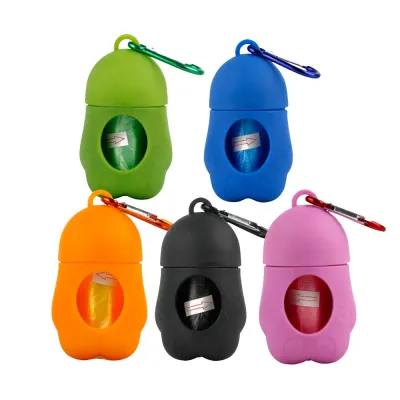

How to Verify a Pet Supplier: A Retailer's Checklist Before Your First Wholesale Order

Starting a relationship with a new wholesale supplier is one of the biggest decisions a pet retailer will make. The right supplier can help your business grow with reliable products, consistent inventory, and healthy profit margins. The wrong supplier can lead to delayed shipments, inconsistent quality, unhappy customers, and unnecessary financial losses.
The good news is that experienced retailers rarely rely on instinct alone. Instead, they follow a structured verification process before placing their first wholesale order. They verify the supplier's business, evaluate product quality, review quality control procedures, understand after-sales policies, and reduce risk by starting with manageable order sizes.
Supplier verification is not about finding a "perfect" supplier. It is about building enough confidence to make your first purchase with an acceptable level of risk.
This guide explains how experienced pet retailers evaluate new suppliers, what documents and information they request, which warning signs they avoid, and how buyer protection policies can reduce wholesale purchasing risk.
Whether you operate an independent pet store, an online pet business, a grooming salon, or a growing retail brand, these verification principles can help you build stronger supplier relationships and make more informed purchasing decisions.
Why Supplier Verification Matters More Than Ever
The global pet industry continues to expand, creating new opportunities for retailers of every size. According to the American Pet Products Association (APPA), U.S. pet industry expenditures have reached well over $150 billion annually, demonstrating long-term consumer demand across pet food, toys, accessories, grooming products, and healthcare. As more retailers enter the market, sourcing products from reliable suppliers becomes increasingly important.
At the same time, international sourcing has become easier than ever. Thousands of manufacturers, wholesalers, distributors, and online sourcing platforms now serve independent retailers worldwide. While this creates greater product choice, it also makes supplier selection more complex.
For many new retailers, the biggest challenge is no longer finding suppliers.
It is determining which suppliers deserve their trust.
The Cost of Choosing the Wrong Supplier
Many wholesale purchasing problems do not begin with poor products—they begin with insufficient verification before an order is placed.
A supplier may advertise attractive pricing but have inconsistent manufacturing standards.
A sample product may look excellent while mass production quality varies significantly.
Delivery schedules may appear reasonable until inventory shortages occur.
Communication may be responsive before payment but become slow afterward.
Even small issues can quickly affect customer satisfaction, online reviews, repeat purchases, and cash flow—especially for growing businesses operating with limited inventory budgets.
For small retailers, every wholesale order represents working capital. Protecting that investment starts long before payment is made.
What Experienced Retailers Actually Verify
One common misconception is that supplier verification means requesting a business license or checking online reviews.
Professional buyers go much further.
Before increasing order volume, experienced retailers usually evaluate five different areas:
| Verification Area | Key Question |
| Business Legitimacy | Is this a real and established company? |
| Product Quality | Are the products consistent and safe? |
| Manufacturing Capability | Can the supplier deliver consistently? |
| Order Process | Are pricing, MOQ, and timelines transparent? |
| Buyer Protection | What happens if something goes wrong? Each of these areas reduces a different type of purchasing risk. Rather than relying on a single document or certificate, retailers combine multiple pieces of evidence before deciding whether a supplier is suitable for long-term cooperation. |
Supplier Verification Is Really Risk Management
Many first-time buyers assume supplier verification is something only large corporations perform.
In reality, the opposite is often true.
Small retailers have less room for expensive mistakes.
A large retail chain may absorb one unsuccessful shipment without major consequences.
A new independent pet store, however, may depend on every wholesale order to maintain cash flow and customer satisfaction.
That is why successful small businesses often verify suppliers even more carefully than larger organizations.
Instead of asking,
"Is this supplier perfect?
they ask,
"Does this supplier have reliable systems that reduce my business risk?
This subtle difference changes how experienced buyers evaluate every supplier.
The Four Types of Risk Every Retailer Should Evaluate
Supplier verification becomes much easier when retailers understand the different categories of wholesale risk.
Business Risk
Is the supplier operating as a legitimate business?
Can they be contacted consistently?
Do they provide transparent company information?
Are payment details consistent with company records?
These questions help retailers avoid fraudulent suppliers and unreliable trading partners.
Product Risk
Even if a supplier is legitimate, the products themselves must meet customer expectations.
Retailers should verify:
- Materials
- Construction quality
- Product specifications
- Packaging consistency
- Product safety
- Sample accuracy
Product quality directly affects customer reviews, returns, and repeat purchases.
Operational Risk
Reliable suppliers are more than manufacturers.
They also operate reliable systems.
Retailers should understand:
- Production timelines
- Inventory management
- Quality inspections
- Shipping coordination
- Order tracking
- Customer support responsiveness
Strong operational systems often predict long-term partnership success better than low pricing alone.
Financial Risk
Wholesale purchasing always involves financial commitment.
Good supplier verification helps retailers answer important questions before payment:
- Can I start with a small order?
- What happens if products arrive damaged?
- Are replacement policies clearly explained?
- Is there a defined claims process?
- Are cancellation terms transparent?
Reducing financial uncertainty is one of the most valuable outcomes of supplier verification.
The Mindset of Successful Pet Retailers
One pattern appears consistently among experienced buyers across many industries.
They rarely place large first orders.
Instead, they build trust gradually.
A typical purchasing journey often looks like this:
This approach protects cash flow while giving retailers real-world experience with the supplier before expanding purchasing volume.
In other words, verification is not a one-time event.
It is an ongoing process that continues throughout the business relationship.
Verify the Business Before You Verify the Products
Many retailers make the mistake of evaluating products before evaluating the company behind them.
A beautiful product catalog, attractive pricing, or professional-looking website does not automatically indicate that a supplier is reliable. Before reviewing samples or discussing pricing, experienced buyers first confirm whether they are dealing with a legitimate business capable of supporting a long-term partnership.
Step 1. Verify the Supplier's Business Identity
A legitimate wholesale supplier should be transparent about who they are, where they operate, and how they conduct business.
Retailers do not need to perform complex legal investigations, but they should verify several basic pieces of information before placing their first order.
What to Check
| Verification Item | Why It Matters |
| Legal company name | Confirms you are dealing with a registered business. |
| Business registration | Demonstrates the company legally exists. |
| Physical business address | Indicates long-term operations rather than anonymous trading. |
| Official website | Shows brand consistency and business transparency. |
| Business email domain | A professional domain is generally more trustworthy than free email services. |
| Contact information | Multiple communication channels improve accountability. None of these items alone proves a supplier is reliable. Together, however, they create a stronger picture of business legitimacy. |
Why Retailers Should Care
Wholesale purchasing is different from consumer shopping.
Retailers are not buying one product—they are building a supply relationship that may continue for years.
A supplier with clear business information is generally easier to communicate with, easier to verify, and more accountable if problems arise.
Transparency is often one of the earliest signs of professionalism.
Look Beyond the Website
Many new buyers assume a professional website equals a professional supplier.
Unfortunately, this is not always true.
A well-designed website can be created quickly, while reliable supply chains take years to build.
Instead of evaluating appearance alone, retailers should ask questions such as:
- How long has the company been operating?
- Does the business specialize in pet products?
- Is there evidence of long-term industry experience?
- Does the website clearly explain how ordering works?
- Are policies easy to find?
- Is customer support accessible?
A trustworthy supplier typically makes this information easy to locate rather than hiding it behind sales conversations.
Check for Industry Focus
Experience within the pet industry often matters more than experience in wholesale generally.
Pet products involve unique considerations, including safety, durability, packaging, seasonal demand, and retailer expectations.
A supplier that understands pet retail is more likely to recommend suitable products, explain quality standards, and provide practical support throughout the buying process.
Retailers should therefore look for evidence that the supplier works specifically within the pet industry rather than treating pet products as one category among hundreds.
Step 2. Verify the Products—Not Just the Catalog
After confirming the supplier is operating as a legitimate business, the next step is evaluating the products themselves.
Many wholesale catalogs contain attractive product photography and detailed descriptions.
However, experienced buyers know that successful retail businesses are built on product consistency—not marketing images.
The goal is to determine whether the supplier can consistently deliver products that match customer expectations.
Request Product-Specific Information
Professional buyers request measurable information instead.
For every product under consideration, retailers should understand:
- Product dimensions
- Weight
- Materials
- Available colors
- Packaging configuration
- Carton quantity
- Country of manufacture
- Recommended retail applications
Clear specifications reduce misunderstandings during production and shipping.
Example: Verifying a Plush Dog Toy
Imagine you plan to introduce a new squeaky plush dog toy to your retail store.
Before placing a wholesale order, you should understand far more than its appearance.
Questions worth asking include:
- What fabric is used?
- What filling material is inside?
- Does the toy include a squeaker?
- Are small parts securely attached?
- How are seams reinforced?
- What size dogs is the toy designed for?
- How is each toy packaged?
These details influence customer satisfaction far more than attractive product photos.
Samples Are More Valuable Than Specifications
Specifications explain what a supplier intends to produce.
Samples demonstrate what they actually produce.
For this reason, experienced retailers almost always request product samples before making larger purchasing decisions.
A sample allows buyers to evaluate factors that are difficult to judge online, including:
- Material feel
- Construction quality
- Stitching consistency
- Color accuracy
- Product weight
- Packaging quality
- Overall craftsmanship
One physical sample often provides more useful information than dozens of product photos.
What to Evaluate When a Sample Arrives
Receiving a sample is only the beginning.
Instead of asking, "Do I like this product?", retailers should evaluate it using objective criteria.
Sample Evaluation Checklist
| Inspection Area | Questions to Ask |
| Appearance | Does it match the product photos? |
| Materials | Are the fabrics or plastics consistent with expectations? |
| Stitching | Are seams neat and secure? |
| Functionality | Does the squeaker, zipper, buckle, or other feature work properly? |
| Odor | Are there any unusual chemical smells? |
| Packaging | Is the packaging suitable for retail display? |
| Labels | Are product labels clear and correctly positioned? Retailers who standardize this inspection process are more likely to maintain consistent product quality across future orders. |
Verify Product Safety and Compliance
While not every pet product requires the same documentation, retailers should understand which products may involve additional safety or compliance considerations.
Examples include:
- Products intended for pets to chew
- Electrical pet products
- Feeding accessories
- Pet carriers
- Grooming equipment
- Products containing electronic components
Depending on the destination market and product category, suppliers may provide documentation related to material testing, product safety, or applicable regulatory requirements.
Retailers should request documentation that is relevant to the specific product rather than accepting unrelated certificates.
For example, a laboratory report should clearly identify:
- Product name
- Model number
- Testing date
- Testing organization
- Applicable standards
Generic certificates without product identification provide limited value.
Step 3. Evaluate Manufacturing and Quality Control
Finding a supplier capable of producing one excellent sample is relatively easy.
Finding a supplier capable of producing one thousand identical products is much more difficult.
This is where manufacturing capability and quality control become essential.
Retailers are not simply purchasing products.
They are purchasing production consistency.
Why Quality Control Matters
Quality control is the process used to ensure products consistently meet agreed specifications throughout production.
Without an effective quality control system, even well-designed products may vary significantly between production batches.
For retailers, inconsistent quality often results in:
- Customer complaints
- Product returns
- Negative online reviews
- Increased customer service costs
- Lower repeat purchase rates
A reliable supplier should therefore be able to explain how product quality is monitored before shipment.
Questions Retailers Should Ask About Quality Control
Rather than asking,
"Do you have quality control?
Ask more specific questions, such as:
- Who performs quality inspections?
- At which production stages are inspections conducted?
- Are products inspected before packing?
- How are defective products handled?
- Can inspection photos or videos be provided?
- Is third-party inspection accepted if requested?
The quality of a supplier's answers often reveals more than the answers themselves.
Suppliers with mature quality systems usually explain their processes clearly and confidently.
Quality Consistency Is More Important Than Perfect Quality
An important lesson experienced retailers learn over time is that perfection is unrealistic.
Every manufacturing process may produce a small number of defective products.
What distinguishes excellent suppliers is not that defects never occur—it is that they have reliable systems to detect, manage, and resolve quality issues before products reach customers.
For retailers, predictable quality is often more valuable than occasional perfection.
Reduce Risk Before You Scale: How Smart Retailers Place Their First Wholesale Order
Many retailers believe supplier verification ends once they receive a good sample.
In reality, experienced buyers know that the first wholesale order is the most important verification stage.
A supplier may provide an excellent sample, but wholesale success depends on whether that same quality can be reproduced consistently at scale. This is why professional retailers rarely jump directly from one sample to a large purchase.
Instead, they increase confidence gradually by controlling risk at every stage.
Step 4. Use MOQ to Your Advantage, Not as a Barrier
MOQ, or Minimum Order Quantity, refers to the smallest quantity a supplier is willing to produce or sell in a single order.
Many new retailers assume that a higher MOQ indicates a more professional supplier. In reality, MOQ is simply a production and inventory management decision—it is not a measure of product quality.
For independent retailers, boutiques, online sellers, and new pet businesses, MOQ should be evaluated from a risk-management perspective rather than a pricing perspective.
A lower MOQ allows buyers to test new products without committing significant working capital, making it easier to learn which products resonate with customers before expanding inventory.
Why Small Retailers Should Start Small
Every wholesale order carries uncertainty.
Even after reviewing product specifications, receiving samples, and communicating with a supplier, retailers still cannot fully predict how a product will perform in the market.
Questions remain:
- Will customers actually buy it?
- Will online reviews be positive?
- Will packaging survive international shipping?
- Will the supplier maintain consistent quality?
- Will reorders arrive on time?
These questions can only be answered through real sales experience.
Starting with manageable order quantities reduces financial exposure while generating valuable market feedback.
Risk Comparison
| First Order Strategy | Potential Risk | Recommended? |
| Large Initial Purchase | High inventory risk and cash tied up | ❌ |
| Medium Order Without Testing | Moderate operational risk | ⚠️ |
| Sample → Small Wholesale Order → Reorder | Lowest purchasing risk | ✅ Experienced retailers understand that successful wholesale businesses are built through continuous learning—not oversized first orders. |
Think Like an Investor, Not a Shopper
Consumer purchasing and wholesale purchasing follow different principles.
Consumers often buy based on emotion.
Retailers buy based on probability.
The goal of the first wholesale order is not to maximize profit.
It is to gather reliable information.
A small first order helps answer critical questions:
- Did the supplier deliver on time?
- Did product quality match the sample?
- Was packaging consistent?
- Were customer complaints minimal?
- Was communication professional?
- Were inventory replenishment timelines realistic?
Only after these questions have been answered should retailers consider increasing order volume.
Step 5. Ask How Quality Is Verified Before Shipment
One of the most overlooked questions retailers ask is:
"Do you inspect products?
Almost every supplier will answer yes.
The better question is:
"How are products inspected, and how do you verify inspection results?
Reliable suppliers should be able to describe their quality control process in practical terms rather than broad marketing language.
Retailers should understand:
- When inspections occur during production.
- Whether inspections are random or systematic.
- Who performs inspections.
- Whether packing accuracy is verified.
- How defects are documented.
- What happens if problems are discovered before shipment.
The more transparent the inspection process, the easier it becomes to evaluate overall supplier reliability.
Why Packing Accuracy Matters
For many retailers, quality problems are not limited to defective products.
Incorrect quantities, missing items, wrong colors, and incorrect packaging often create just as many operational challenges.
Before products leave the warehouse, experienced suppliers typically verify:
- Correct product model
- Correct color
- Correct quantity
- Correct packaging
- Correct labels
- Correct shipping marks
Even small packing errors can create significant delays for retailers selling through online marketplaces or physical stores.
Visual Verification Builds Trust
In recent years, many suppliers have begun using photos and video documentation during packing and inspection.
While this practice is not mandatory, it provides retailers with additional confidence that orders were prepared accurately before shipment.
Visual records can help resolve disputes more efficiently by confirming product condition and packing accuracy before goods leave the warehouse.
For buyers placing international wholesale orders, this additional level of transparency reduces uncertainty without increasing complexity.
Step 6. Evaluate Shipping Reliability—Not Just Shipping Speed
Shipping speed often receives the most attention during supplier discussions.
However, experienced retailers know that shipping reliability is usually more important than shipping speed.
A supplier that consistently delivers within an agreed timeframe is often more valuable than one that promises unrealistic delivery dates.
Reliable logistics help retailers plan:
- Inventory replenishment
- Seasonal promotions
- Marketing campaigns
- Product launches
- Customer expectations
Predictability allows businesses to operate with confidence.
Questions Worth Asking About Shipping
Before placing an order, retailers should clarify:
- Which shipping methods are available?
- What is the estimated production lead time?
- When does transit begin?
- How can shipments be tracked?
- What happens if delays occur?
- Who should be contacted during transit?
Suppliers that communicate logistics clearly often demonstrate stronger operational maturity.
International Shipping Requires More Than Fast Delivery
Cross-border wholesale orders involve multiple stages, including production, export preparation, international transportation, customs procedures, and local delivery.
Because of this complexity, retailers should evaluate whether the supplier provides support throughout the shipping process rather than simply arranging transportation.
Good suppliers help buyers understand timelines, documentation requirements, and shipment status from dispatch to delivery.
For small retailers importing products for the first time, this level of guidance can significantly reduce operational stress.
Step 7. Understand the Supplier's Buyer Protection Policy
One characteristic consistently shared by reliable wholesale suppliers is transparency about what happens after payment.
Every business occasionally encounters unexpected situations, such as shipping damage, manufacturing defects, or incorrect shipments.
The difference lies in how suppliers prepare for these situations.
Retailers should look for clearly documented policies covering:
- Order cancellation
- Quality-related claims
- Damaged products
- Replacement procedures
- Refund eligibility
- Claim timeframes
- Customer support channels
A supplier that explains these policies before an order is placed demonstrates confidence in its own processes.
Buyer Protection Is Part of Supplier Verification
Many retailers think supplier verification ends once payment has been made.
In reality, after-sales support is one of the strongest indicators of supplier reliability.
A transparent buyer protection policy reduces uncertainty because retailers understand exactly what to expect if problems occur.
Instead of hoping nothing goes wrong, professional buyers prepare for the possibility that something might—and choose suppliers with clear procedures for resolving issues fairly.
What a Strong Buyer Protection Policy Typically Includes
| Area | Why It Matters |
| Clear cancellation rules | Prevents misunderstandings before production begins. |
| Defined quality claim process | Allows issues to be reported consistently. |
| Reasonable response times | Helps retailers solve problems quickly. |
| Replacement or refund options | Reduces financial risk when defects occur. |
| Transparent communication channels | Makes support easier to access. These policies do not eliminate risk, but they help retailers manage it with greater confidence. |
Verification Doesn't End After the First Order
One of the biggest misconceptions in wholesale sourcing is that supplier verification is a one-time task.
Successful retailers continuously evaluate their suppliers over time.
After every shipment, they ask:
- Was quality consistent?
- Were products delivered on schedule?
- Did communication remain responsive?
- Were any issues resolved efficiently?
- Would I confidently place another order?
Long-term supplier relationships are built through repeated positive experiences—not a single successful transaction.
Building Long-Term Supplier Relationships Starts with Better Verification
Supplier verification is often viewed as a one-time task completed before placing an order.
In reality, experienced retailers treat verification as an ongoing business process.
Every shipment, every product launch, and every reorder provides new information about a supplier's reliability. Over time, retailers are not simply evaluating products—they are evaluating whether a supplier consistently supports their business goals.
The strongest supplier relationships are built on transparency, predictable quality, responsive communication, and clearly documented processes. Price may influence the first order, but reliability is what drives long-term partnerships.
What to Look for in a Reliable Pet Supplier
Instead of asking whether a supplier is "good" or "bad," retailers should evaluate whether the supplier demonstrates the characteristics that reduce operational risk.
The following framework can be used when comparing any wholesale pet supplier.
| Evaluation Area | Questions Retailers Should Ask |
| Business Transparency | Does the supplier clearly disclose company information and contact details? |
| Product Information | Are specifications, materials, and packaging clearly documented? |
| Sample Availability | Can products be evaluated before placing larger orders? |
| Quality Control | Is there a documented inspection process before shipment? |
| Flexible Ordering | Can retailers start with manageable quantities? |
| Shipping Support | Are timelines, tracking, and logistics clearly communicated? |
| Buyer Protection | Is there a documented process for quality-related issues? |
| Customer Support | Can retailers easily contact a real support team? |
| Long-Term Partnership | Does the supplier focus on helping retailers grow rather than simply processing transactions? Retailers who compare suppliers using objective criteria are generally more successful than those who compare suppliers based on price alone. |
A Retailer's First Wholesale Order Action Plan
The following roadmap summarizes the verification process into practical actions.
Stage 1 — Research
✔ Shortlist several suppliers.
✔ Review company information.
✔ Compare product categories.
✔ Read available customer feedback.
Stage 2 — Verify
✔ Request detailed product specifications.
✔ Evaluate communication quality.
✔ Understand quality control procedures.
✔ Review buyer protection policies.
Stage 3 — Test
✔ Order samples.
✔ Inspect products carefully.
✔ Compare samples with product descriptions.
✔ Confirm packaging quality.
Stage 4 — First Wholesale Order
✔ Place a manageable order.
✔ Monitor production updates.
✔ Track shipping.
✔ Evaluate delivery experience.
Stage 5 — Grow
✔ Review customer feedback.
✔ Measure sell-through rates.
✔ Reorder successful products.
✔ Expand product categories gradually.
Successful retailers rarely skip these stages.
Instead of trying to eliminate every possible risk, they reduce uncertainty step by step while building confidence through real purchasing experience.
Supplier Verification Is About More Than Compliance
Many new buyers associate supplier verification with certificates, audits, or regulatory documentation.
While these are important, they represent only one part of the overall picture.
Reliable supplier relationships are built on three foundations.
Transparency
Retailers should understand who they are buying from, how products are manufactured, and what processes support order fulfillment.
Consistency
Quality should remain stable across multiple production batches—not just the first sample.
Accountability
When unexpected situations occur, suppliers should have documented procedures that explain how issues will be investigated and resolved.
Retailers who evaluate all three areas make stronger sourcing decisions than those who focus on documentation alone.
Common Mistakes First-Time Buyers Make
Even experienced retailers occasionally encounter sourcing challenges.
However, several mistakes appear repeatedly among first-time wholesale buyers.
Choosing the Lowest Price
The cheapest quotation often does not represent the lowest overall cost.
Quality issues, delayed shipments, inconsistent packaging, and poor communication can quickly eliminate any initial savings.
Instead of comparing only unit prices, retailers should compare the total cost of doing business.
Skipping Samples
Some buyers place large orders immediately after viewing product photos.
Without evaluating a physical sample, important details such as materials, stitching, packaging, and overall workmanship remain unknown.
Whenever practical, requesting samples is one of the most effective ways to reduce purchasing risk.
Ignoring After-Sales Policies
Many buyers discuss pricing extensively but spend very little time understanding what happens after delivery.
A clear quality claim process, defined response times, and transparent replacement or refund policies often become extremely valuable if problems occur.
Understanding these policies before payment creates greater confidence for both buyer and supplier.
Ordering Too Much Too Soon
One successful sample does not automatically guarantee long-term production consistency.
Experienced retailers usually increase purchasing volume gradually as confidence grows.
This protects cash flow while allowing suppliers to demonstrate consistent performance over time.
Final Thoughts
Choosing a wholesale pet supplier is one of the most important decisions a retailer will make.
The goal is not to find a supplier that promises perfection. The goal is to find a supplier with transparent processes, consistent quality, clear communication, and reliable support when challenges arise.
Successful retailers understand that supplier verification is not based on a single review, one certificate, or one sample.
It is built by gathering evidence from multiple sources, asking thoughtful questions, starting with manageable orders, and gradually building confidence through real business experience.
As your business grows, the value of a reliable supplier becomes increasingly clear. Consistent quality, predictable delivery, transparent policies, and responsive support create stronger customer relationships, healthier cash flow, and sustainable long-term growth.
In today's competitive pet industry, supplier verification is no longer simply a purchasing task—it is a strategic business advantage.
Frequently Asked Questions
How do I know if a pet supplier is legitimate?
Look for transparent business information, a professional website, consistent contact details, documented policies, and evidence of long-term experience in the pet industry. A legitimate supplier should willingly answer questions about its business, products, and processes.
Should I always request samples?
Yes. Whenever possible, retailers should evaluate samples before placing larger wholesale orders. Samples help verify product quality, materials, workmanship, and packaging.
Is a lower MOQ better?
Not necessarily. However, flexible minimum order quantities allow retailers to test products while reducing inventory and cash-flow risk. This is particularly valuable for new businesses and independent retailers.
What documents should I ask for?
Depending on the product category, retailers may request product specifications, material information, applicable testing documentation, packaging details, and shipping information. Documentation should always relate to the specific product being purchased.
How important is quality control?
Very important. Reliable quality control helps ensure products remain consistent across production batches and reduces the likelihood of customer complaints and returns.
Should I compare suppliers based only on price?
No. Price is only one factor. Retailers should also compare quality, communication, shipping reliability, buyer protection, and long-term partnership potential.
What if products arrive damaged?
Before ordering, retailers should understand the supplier's quality claim process, reporting timeline, and replacement or refund policy. Clear after-sales procedures significantly reduce purchasing risk.
How long does supplier verification take?
Depending on the complexity of the products, verification may take anywhere from several days to several weeks. Investing time before placing the first order often saves significantly more time and money later.
 Popular Blogs