

Responsible Dog Ownership Month: A Practical Guide
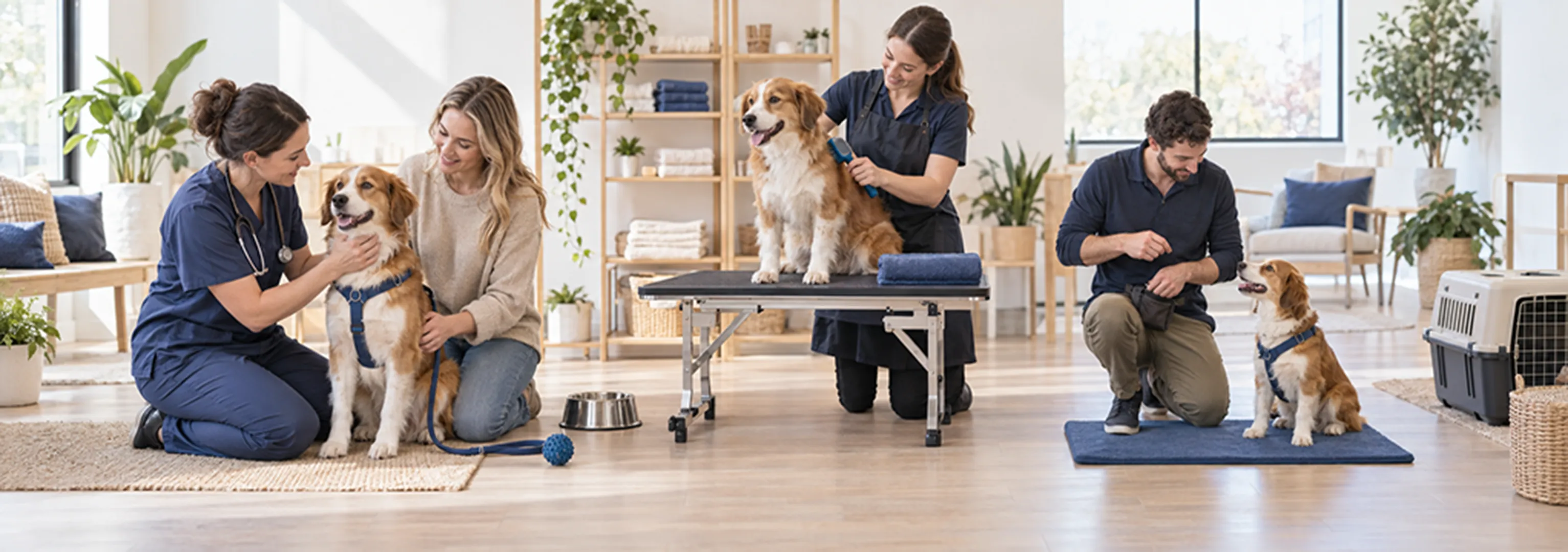
Responsible Dog Ownership Month is best used as an annual checkup for the entire system around a dog—not as a reason to buy more things. A responsible owner provides preventive veterinary care, species-appropriate exercise, humane training, mental enrichment, safe identification, routine grooming, suitable equipment, and a realistic emergency plan. Pet stores, groomers, trainers, veterinary clinics, boarding teams, shelters, breeders, and online sellers reinforce that system when they recommend products by need, fit, and safe use rather than by trend alone.
That is the short answer. The deeper answer is that responsible ownership is a chain: the dog’s needs come first; professional advice sets the boundaries; routines make care consistent; and products support those routines. If one link fails—an outdated microchip, an ill-fitting harness, a skipped health check, or no evacuation plan—the consequences can be much larger than the cost or effort saved.
September’s observance creates a useful deadline, but the standard applies every day. The American Kennel Club’s guidance highlights exercise, health, training, travel, socialization, safety, and emergency preparation. This guide builds on those themes with current industry and veterinary data, comparisons, practical checklists, and a separate view of what responsible support looks like for small pet businesses and professional caregivers.
What Does Responsible Dog Ownership Actually Mean?
Responsible dog ownership means accepting a continuing duty to protect a dog’s health, safety, behavior, welfare, and relationship with the surrounding community. It begins before acquisition—with honest consideration of time, housing, budget, breed or individual needs, and access to veterinary care—and continues through every life stage.
The concept is wider than “feeding and walking a dog.” The American Animal Hospital Association divides canine care into life stages because risk, behavior, nutrition, mobility, dental needs, and preventive priorities change as a dog ages. In practical terms, good care is individualized: the routine that suits a healthy two-year-old working breed may be inappropriate for a senior dog with arthritis or a brachycephalic dog in hot weather.
I find the most useful definition is this: responsible ownership is preventive decision-making. It asks, “What can reasonably be checked, taught, fitted, recorded, or prepared today so that the dog is less likely to face avoidable harm tomorrow?” That definition is demanding, but it is also realistic. It replaces perfection with repeatable habits.
The Eight-Part Responsibility Framework
| Responsibility | What the dog needs | Owner action | How a pet professional can help |
| Preventive health | Veterinary oversight appropriate to age and risk | Book routine examinations; follow veterinary advice; monitor changes | Clinics educate; retailers avoid medical claims and signpost veterinary care |
| Nutrition | A complete, appropriate diet and fresh water | Measure portions; monitor body condition; discuss changes with a veterinarian | Provide accurate labels, storage guidance, measuring tools, and suitable feeding accessories |
| Physical activity | Safe movement matched to health and energy | Plan walks and play; adjust for heat, age, fitness, and recovery | Trainers and retailers recommend appropriate leads, harnesses, toys, and hydration gear |
| Mental welfare | Opportunities to sniff, explore, learn, chew, and rest | Rotate enrichment; offer choices; protect quiet sleep | Create need-based enrichment ranges with clear difficulty and supervision guidance |
| Training and behavior | Predictable, humane communication | Reward desired behavior; practice safety cues; seek qualified help early | Trainers teach skills; sellers provide well-described training aids rather than miracle claims |
| Grooming and handling | Coat, skin, paws, ears, teeth, and nails monitored | Establish cooperative routines; use coat-appropriate tools | Groomers teach maintenance and refer health concerns to veterinarians |
| Identification and equipment | Secure, correctly fitted, maintained gear | Check tags, microchip details, clips, stitching, and fit | Publish measurement diagrams and replacement guidance |
| Emergency readiness | A plan for evacuation, separation, illness, or caregiver absence | Prepare records, supplies, transport, contacts, and backup care | Boarding teams, shelters, clinics, and stores provide checklists and practical kits |
Why This Matters Now: Five Numbers With Practical Meaning
Pet care is both a welfare responsibility and a large economic system. The American Pet Products Association reported that U.S. pet-industry spending reached about $158 billion in 2025. AVMA estimated 87.3 million pet dogs in the United States in 2025. Those numbers describe scale, not quality: a large market does not automatically mean every dog receives preventive care or every purchase improves welfare.
| Indicator | Reported figure | What it means in practice |
| U.S. pet-industry spending, 2025 | $158 billion | Demand is substantial, but product volume should not be confused with responsible outcomes. |
| Estimated U.S. pet-dog population, 2025 | 87.3 million dogs | Guidance must work across many household types, budgets, breeds, and life stages. |
| Dog owners reporting a veterinary visit in the prior 12 months, 2025 | 65.60% | A meaningful share may lack a recent professional health touchpoint; products cannot replace veterinary care. |
| Pet owners with a disaster preparedness plan in ASPCA’s 2021 survey | 46% | Emergency readiness remains a clear gap that September campaigns can address. |
| Surveyed owners without secured pet-friendly emergency housing, 2021 | 84% | A packed bag is incomplete without a destination and transport plan. These figures come from different organizations, years, and samples, so they should not be combined into a single statistical model. They are most useful as directional evidence. My reading is that the industry is very good at generating choice, but families often need more help turning choice into a coherent care system. The commercial opportunity and the welfare obligation point in the same direction: make products easier to select correctly and easier to use safely. |
Start With Preventive Veterinary Care, Not a Shopping List
Preventive care is the professional foundation of responsible ownership. A veterinary examination can identify changes that are easy to miss at home and allows discussion of vaccination, parasite control, dental health, nutrition, weight, mobility, skin and ears, reproductive health, behavior, and age-specific screening. The correct schedule depends on the individual dog and local disease risks; a universal internet checklist cannot make that clinical decision.
AVMA’s 2025 reporting found that 65.6% of dog owners had visited a veterinarian during the previous 12 months. That is a majority, but it also shows why responsible-ownership content should do more than tell already-engaged families to “visit the vet.” Useful guidance removes friction: keep the clinic number visible, record medication and allergies, schedule the next visit before leaving, note behavior or appetite changes, and bring questions in writing.
Pet businesses should draw a clear boundary here. A slow feeder may change the pace of eating, a toothbrush may support an at-home routine, and a grooming brush may help owners inspect the coat. None diagnoses disease or guarantees a health outcome. Veterinary retail areas and online product pages build trust when they explain intended use, limitations, cleaning, sizing, and when professional advice is needed.
Annual Health Review Questions
| Ask this question | Why it matters | Appropriate next step |
| Has weight or body shape changed? | Gradual change can be overlooked in daily life | Record weight and ask the veterinary team to assess body condition |
| Has drinking, appetite, sleep, toileting, or activity changed? | Routine changes can carry health or behavioral significance | Keep a dated note and contact a veterinarian |
| Is breath unusually strong or chewing uncomfortable? | Dental disease may not be obvious from appetite alone | Arrange a veterinary oral assessment |
| Is the dog scratching, licking, shaking, limping, or slowing down? | Repeated behavior may indicate discomfort | Seek veterinary guidance instead of masking signs with a product |
| Are vaccines, parasite prevention, prescriptions, and records current? | Requirements vary by dog, location, travel, and facility | Review with the dog’s regular veterinarian |
Match Exercise to the Dog in Front of You
Exercise supports fitness, behavior, sleep, and opportunities to explore, but “more” is not automatically “better.” Age, breed traits, body condition, health, weather, surface, conditioning, and the dog’s emotional state all matter. A young athletic dog may enjoy structured hiking or retrieving; a senior may need shorter, slower outings with more recovery. A dog recovering from injury needs a veterinary rehabilitation plan, not generic fitness advice.
The most overlooked form of activity is often the decompression walk: a safe outing in which the dog has time to sniff rather than march continuously. Sniffing provides information and choice. It can be paired with separate periods of purposeful loose-leash practice, so exploration and training are not forced to compete during every minute outdoors.
Equipment should support control without restricting normal movement or causing rubbing. Owners should inspect webbing, seams, adjustment points, rings, buckles, clips, and reflective elements. Fit should be reassessed after growth, weight change, coat change, or grooming. Retailers can prevent many poor purchases by offering measurement diagrams, weight guidance only as a secondary reference, and clear exchange policies.
Comparing Common Activity Tools
| Tool | Best use | Main selection question | Common mistake |
| Fixed-length leash | Everyday walking and close control | Is the length and hardware appropriate to the dog and setting? | Choosing by color while ignoring clip strength and handler comfort |
| Long line | Supervised recall practice in open, safe spaces | Can the handler manage it without tangling or sudden stops? | Using it near traffic, crowds, or uncontrolled dogs |
| Well-fitted harness | Walking or specific activities, depending on design | Does it stay secure without chafing or limiting shoulder movement? | Ordering from breed or weight alone without measurements |
| Collar with ID | Identification and, for some dogs, walking | Can it remain secure and comfortable? | Leaving outdated or unreadable contact details attached |
| Fetch or tug toy | Interactive play | Is the size, material, and play style suitable? | Leaving an interactive toy with an unsupervised destructive chewer |
| Portable bowl and water | Longer outings and warm conditions | Is it easy to clean and carry? | Waiting for obvious distress before offering rest and water |
Treat Training as Safety Infrastructure
Training is not a performance reserved for puppies or competition dogs. It is a shared language that helps a dog navigate human environments. Recall, “leave it,” “drop,” waiting at doors, calm handling, settling on a mat, and walking without pulling can reduce everyday risk. Humane, reward-based teaching also gives the owner information: if a familiar behavior suddenly becomes difficult, stress, distraction, fear, or discomfort may be involved.
Short sessions are usually easier to repeat than long, occasional ones. Practice can be attached to existing routines: wait briefly before a door opens, reward calm behavior before the leash goes on, rehearse recall in a secure space, and pair grooming tools with gradual positive experiences. Food is a useful reinforcer for many dogs, but play, access to sniffing, praise, and distance from a stressor may also be valuable.
A trainer’s role is especially important when fear, aggression, guarding, separation-related distress, or bite risk is present. Retailers should not present a gadget as a substitute for qualified behavioral assessment. Dog trainers and veterinary behavior professionals create plans; treat pouches, clickers, leads, mats, gates, and enrichment tools simply help owners implement them.
Everyday Skills by Outcome
| Desired outcome | Useful skill | Everyday practice example |
| Safer doorways | Wait or station | Reward the dog on a mat while deliveries enter |
| Reduced ingestion risk | Leave it and drop | Trade a safe object for a reward; never chase the dog |
| Easier handling | Cooperative chin rest or stationing | Build duration slowly before brushing or inspection |
| More reliable return | Recall | Practice in a secure area, then add distance gradually |
| Calmer public outings | Check-in and loose-leash walking | Reward voluntary attention before the lead becomes tight |
| Better recovery | Settle | Reinforce relaxed behavior on a portable mat |
Provide Enrichment That Meets a Need
Enrichment is a structured opportunity to perform safe, natural behavior: sniffing, searching, chewing, licking, manipulating, learning, playing, resting, or choosing. It is not synonymous with giving a dog a difficult puzzle. If frustration rises and success never arrives, the activity has missed its purpose.
Good enrichment begins with the individual. A scent game may suit one dog; a gentle food-dispensing toy may suit another; a social dog may value play with a familiar person; a dog that has had an overwhelming day may need uninterrupted rest. Difficulty, food quantity, material, size, noise, and supervision must all be considered. New products should be introduced while observed and removed if damaged or if parts loosen.
Rotation often creates more value than permanent access to every toy. A simple weekly system can include one searching activity, one training game, one appropriate chew or lick activity, interactive play, outdoor exploration, and protected rest. Owners should count food used in enrichment as part of the daily intake where appropriate and seek veterinary nutritional advice for dogs with medical needs.
Enrichment Is Not One Category
| Need | Low-complexity option | More involved option | Safety filter |
| Sniff and search | Scatter part of a meal in a safe area | Snuffle mat or scent trail | Avoid unsafe plants, chemicals, and swallowable objects |
| Lick and settle | Thin food spread on a suitable surface | Prepared lick mat used under supervision | Use dog-appropriate food and include it in daily intake |
| Manipulate and solve | Treat wrapped loosely in paper for a non-ingestive dog | Adjustable food puzzle | Start easy; stop if the dog eats non-food components |
| Chew | Veterinarian-approved edible option | Durable chew product suited to the dog | No item is indestructible; inspect teeth and product condition |
| Social play | Gentle toy exchange | Structured tug with cues | Match intensity to the dog; stop before arousal becomes unsafe |
| Rest | Quiet bed away from traffic | Covered retreat if the dog chooses it | Never use the resting place as punishment |
Make Socialization About Confidence, Not Forced Greetings
Socialization is the process of helping a dog feel safe and behave appropriately around the sights, sounds, surfaces, handling, people, animals, and environments it may encounter. It does not mean meeting everyone. A dog that calmly watches another dog from a comfortable distance may be succeeding, even without direct interaction.
Owners should look for whole-body signals. Freezing, hiding, attempting to escape, trembling, repeated lip licking, turning away, a tucked posture, or an inability to take food can suggest that intensity is too high. Increasing distance and reducing difficulty are often more responsible than insisting the dog “get used to it.” Puppies need carefully managed positive experiences, while adult and adopted dogs may need slower introductions based on history and confidence.
Businesses affect this experience more than they may realize. Grooming salons can offer low-pressure introductory visits. Boarding facilities can collect detailed behavior and handling information before arrival. Pet stores can schedule quieter shopping periods. Trainers can teach observation and management, while veterinary teams can use lower-stress handling strategies. Inclusion is not measured by how many dogs enter a busy public space; it is measured by whether the experience protects welfare and safety.
Use Grooming as a Health Observation Routine
Grooming maintains coat and comfort, but its greatest everyday value may be observation. Regular, gentle handling helps an owner notice mats, skin irritation, lumps, parasites, odor, discharge, broken nails, pad damage, or sensitivity. A change discovered during brushing is not a diagnosis, but it can prompt timely professional attention.
Coat type, age, lifestyle, season, and health determine the routine. Long or curly coats may mat quickly; double coats require suitable techniques; short coats still shed and can develop skin problems. Severe matting should not be pulled through at home. Ear, dental, anal-gland, nail, and skin concerns may require veterinary or experienced professional care.
For groomers and pet retailers, grouping tools by job is more responsible than presenting every brush as interchangeable. Explain whether a tool detangles, removes loose undercoat, smooths a topcoat, massages during bathing, or supports finishing. Add cleaning instructions and a reminder to stop if the dog shows pain. This approach may sell fewer unsuitable tools, but in my view it produces more trust, better repeat business, and fewer negative experiences for dogs.
Keep Identification and Emergency Planning Current
Identification is a layered system: a readable external tag can support quick local return, while a registered microchip provides more permanent identification if a collar is lost. Neither works well with outdated contact information. September is a practical time to check tag legibility, microchip registration, veterinary records, recent photographs, and caregiver contacts.
Disaster readiness requires both supplies and decisions. In a 2021 ASPCA survey, more than 90% of respondents said they would take their pets during an evacuation, yet only 46% had a preparedness plan and 84% had not secured pet-friendly emergency housing. The gap matters because intent formed during a crisis is not the same as a plan tested beforehand.
ASPCA guidance recommends an accessible evacuation pack with essentials such as food, water, medication, records, identification, a carrier or travel bag, spare walking equipment, sanitation supplies, and comfort items. Exact quantities vary across guidance and circumstances; the current ASPCA disaster-preparedness page suggests 7–10 days of food and at least seven days of bottled water. Families should rotate perishables and confirm local shelter, hotel, boarding, transport, and veterinary options.
Emergency Plan: Supplies Versus Decisions
| Pack in advance | Decide in advance |
| Food, water, bowls, and required medication | Who collects the dog if the owner is away? |
| Copies of medical and vaccination records | Where are two pet-friendly destinations? |
| Current photo and identification details | Which transport works if the usual vehicle is unavailable? |
| Spare collar or harness and leash | Who is the backup caregiver? |
| Carrier or crate where appropriate | Which emergency veterinary clinic is open after hours? |
| Waste bags, pads, towels, and cleaning supplies | Where will the family meet if separated? |
| First-aid materials recommended by a veterinarian | How often will the kit and contacts be reviewed? |
| Familiar blanket or toy | What accommodations does the dog need around people or animals? |
Plan Travel, Boarding, and Caregiver Handoffs
Responsible ownership continues when the owner is absent. A useful care handoff includes feeding amounts, medication, walking routine, equipment instructions, veterinary contacts, behavior triggers, escape risks, household rules, and what to do if the dog refuses food or becomes unwell. Verbal instructions are easy to forget, so a dated written copy should travel with the dog or remain in an obvious location.
Dogs should be introduced gradually to carriers, vehicle restraints, travel beds, unfamiliar handlers, or boarding environments. Waiting until departure day can turn equipment into a predictor of stress. Short, rewarded practice sessions allow the owner to test fit and identify problems early.
Boarding and daycare providers should collect information rather than assume that sociability is universal. A dog may be comfortable with adults but not group play, with familiar dogs but not food nearby, or at home but not in a kennel. Honest intake protects staff and dogs. Retailers can support preparation with compact bowls, waste supplies, travel mats, storage pouches, carriers, and cleaning items, but the written care plan remains the most important tool.
What Responsible Ownership Looks Like Across Pet Businesses
Small pet businesses and professional caregivers are close to the customer’s daily decisions. That proximity creates influence. A groomer may notice a skin change; a trainer may identify a management risk; a boutique may prevent an incorrect harness purchase; a veterinary retail team may explain that a wellness accessory complements rather than replaces clinical care.
| Business or professional | Highest-value contribution | Suitable product support | Avoid |
| Groomer or mobile groomer | Coat-specific maintenance education and change detection | Brushes, combs, towels, grooming loops and bathing accessories appropriate to use | Diagnosing skin disease or recommending one tool for every coat |
| Dog trainer | Humane skill-building and behavior management | Treat pouches, clickers, mats, leads, long lines, enrichment aids | Promising instant behavior change from equipment alone |
| Veterinary clinic retail area | Clinically aligned education and convenient routine support | Dental-care accessories, recovery supplies, measured feeding and grooming aids selected by the team | Unsupported therapeutic claims |
| Independent pet store or boutique | Fit guidance, curated selection, and local knowledge | Walking, play, feeding, grooming, travel, bedding, and emergency categories | Stocking novelty without instructions, sizing, or replacement guidance |
| Online or marketplace seller | Complete product data and predictable fulfillment | Clearly photographed, measured, labeled products with material and carton information | Keyword-heavy pages that omit limitations and safe-use information |
| Boarding or daycare provider | Accurate intake, observation, safe routines, and caregiver communication | Mats, bowls, leads, sanitation items, storage, enrichment used under policy | Assuming every dog should join group play |
| Shelter or rescue | Honest matching, transition support, and adopter education | Starter walking, feeding, resting, cleaning, and enrichment supplies | Overloading new adopters with products before explaining decompression |
| Breeder | Early social development, transparent records, and lifetime guidance | Puppy-safe enrichment, handling tools, bedding, travel, and feeding accessories | Treating equipment as a substitute for health screening and socialization |
How Pet Businesses Can Build a Responsible-Ownership Assortment
The best assortment is organized around routines, not an endless aisle of loosely related items. Start with a small number of complete use cases: safe daily walk, beginner training, coat care, feeding and enrichment, travel, new-dog settling, and emergency readiness. Each set should answer five questions: Who is it for? What problem does it support? How should it fit or be used? What supervision or cleaning is required? When should it be replaced or escalated to a professional?
For a small retailer, buying depth creates risk. A product may look promising online but sell slowly in a particular neighborhood or channel. Testing one carton of a focused design can provide better information than committing to many cases based on trend forecasts. Sales velocity, return reasons, fit questions, damage reports, customer photos, and staff observations are more useful than likes alone.
Petfairs is an online wholesale platform serving independent retailers and other small-business or professional buyers, including groomers, salons, trainers, veterinary retail operations, online sellers, subscription-box businesses, boarding facilities, boutiques, local distributors, shelters, and rescues. Its range spans common dog and cat categories as well as supplies for other companion animals, with delivery available to most global regions. The practical relevance here is sourcing flexibility: a one-carton minimum can allow a business to test a need-based collection without treating a large opening order as proof of demand.
That platform should still be evaluated like any supplier. Buyers should confirm product dimensions, materials, carton quantity, destination availability, lead time, shipping terms, labeling, documentation, and the suitability of each item for its intended market. Responsible wholesale is not merely access to more SKUs; it is the ability to choose fewer, better-explained products and reorder them based on evidence.
A Simple Product-Test Scorecard
| Measure | Question | First review point |
| Customer need | Does it support a frequent, clearly defined routine? | Before ordering |
| Information quality | Are dimensions, material, use, cleaning, warnings, and carton details clear? | Before listing |
| Sell-through | What percentage sold within the planned test period? | 30–60 days, adjusted for category |
| Return reason | Was the issue fit, expectation, quality, damage, or fulfillment? | Every return |
| Staff question rate | Which detail repeatedly confuses customers? | Weekly during launch |
| Replacement logic | Is there a clear condition for inspection or replacement? | On product page and packaging |
| Reorder decision | Did demand, margin, feedback, and quality justify more inventory? | Before replenishment |
A 30-Day Responsible Dog Ownership Plan
An annual campaign works best when it produces a small number of durable habits. The following schedule is deliberately manageable.
| Week | Dog-family actions | Pet-business actions |
| Week 1: Health | Review veterinary timing, medication, body condition, dental concerns, and records | Audit health claims; add clear “consult a veterinarian” boundaries where needed |
| Week 2: Safety | Inspect collar, harness, leash, tag, microchip details, gates, and transport equipment | Check size guides, hardware descriptions, warnings, and returns data |
| Week 3: Behavior and welfare | Practice two safety skills; add one achievable enrichment activity; protect quiet rest | Build a training or enrichment display by need and difficulty, not novelty alone |
| Week 4: Readiness | Update the emergency bag, caregiver sheet, destination list, photos, and contacts | Publish a checklist; create a compact emergency or travel collection with no fear-based selling |
Frequently Asked Questions
Is Responsible Dog Ownership Month in September?
Yes. Responsible Dog Ownership Month is observed in September in the United States. It is best treated as an annual review point, while health, training, safety, grooming, enrichment, identification, and emergency planning continue throughout the year.
What are the most important responsibilities of a dog owner?
The essentials are appropriate food and water, safe housing, preventive veterinary care, humane training, physical activity, mental enrichment, grooming and hygiene, identification, supervision, community safety, and plans for emergencies and owner absence. The details should be adapted to the individual dog.
How often should a dog see a veterinarian?
There is no single schedule for every dog. Age, health status, medication, vaccination needs, lifestyle, travel, local disease risk, and reproductive status can change the appropriate interval. The dog’s veterinarian should set the plan. Sudden or concerning changes should not wait for a routine appointment.
What products does every dog need?
There is no universal shopping list. Most families need secure identification, appropriate walking or transport equipment, food and water vessels, a comfortable resting place, sanitation supplies, grooming items suited to the coat, and safe forms of activity or enrichment. Medical conditions, behavior, size, life stage, and household environment determine the rest.
How can an independent pet store support responsible dog ownership?
Provide accurate measurements, intended-use information, material and care details, supervision guidance, realistic durability language, and trained staff support. Organize ranges around practical routines and refer health or serious behavior concerns to qualified professionals.
Can pet products replace professional care?
No. Products can support feeding, exercise, training, grooming, rest, transport, and enrichment. They cannot diagnose illness, create a veterinary treatment plan, or replace qualified help for serious behavioral concerns.
What should be in a dog emergency kit?
Include food, water, medication, records, identification, current photos, veterinary and caregiver contacts, spare walking equipment, bowls, sanitation supplies, transport equipment, veterinarian-recommended first-aid materials, and a familiar comfort item. Also secure destinations, transport, and backup care; supplies without decisions are not a complete plan.
Final Perspective: Better Systems Beat One-Time Gestures
Responsible Dog Ownership Month is valuable because it creates a moment to notice gaps. Its success should not be measured by how many themed products are sold in September. It should be measured by whether more tags are readable, more microchips are current, more veterinary questions are asked, more dogs have suitable equipment, more training is humane, and more families know where they will go during an emergency.
For dog families, the best next step is one that can be repeated: book the overdue appointment, measure the harness fit, practice a recall, rotate an enrichment activity, write the caregiver sheet, or identify two evacuation destinations. For pet professionals and small businesses, the best next step is to make one customer decision clearer and safer.
That is also the standard Petfairs and other wholesale platforms should help buyers meet. Global access and broad category coverage matter, but responsible commerce adds something more: transparent information, manageable testing, appropriate selection, and products placed inside an honest care context. When welfare, expertise, and commerce align, Responsible Dog Ownership Month becomes more than a campaign. It becomes a better operating system for the whole pet community.
Sources and Editorial Method
This article is an original synthesis written for dog families and pet-industry professionals. Statistics are presented with their year and source rather than blended across surveys. Product guidance is general and does not replace veterinary or qualified behavioral advice.
- American Kennel Club, “Seven Ways to Celebrate Responsible Dog Ownership Month”: https://www.akc.org/expert-advice/news/seven-ways-to-celebrate-responsible-dog-ownership-month/
- American Pet Products Association, pet ownership and spending data: https://americanpetproducts.org/industry-trends-and-stats
- American Veterinary Medical Association, “Evolving pet owner economics: What data reveal for veterinary teams”: https://www.avma.org/news/evolving-pet-owner-economics-what-data-reveal-veterinary-teams
- American Animal Hospital Association, 2019 Canine Life Stage Guidelines: https://www.aaha.org/resources/2019-aaha-canine-life-stage-guidelines/
- ASPCA, Disaster Preparedness: https://www.aspca.org/pet-care/general-pet-care/disaster-preparedness
- ASPCA, survey on pet-owner disaster preparedness: https://www.aspca.org/about-us/press-releases/new-aspca-survey-reveals-83-percent-pet-owners-live-area-impacted-disasters
 Popular Blogs