
Wholesale Labor Day Pet Supply Deals Guide

The short answer
Labor Day is one of the most useful transition points on the U.S. pet retail calendar. It falls on the first Monday in September—September 7 in 2026—and sits between late-summer demand and the start of fall, Halloween, Thanksgiving and holiday purchasing. For a small pet business, the best strategy is rarely “discount everything.” A stronger plan is to clear selected summer items that still solve everyday needs, replenish proven year-round products, and test fall merchandise in small quantities.
The most practical Labor Day buys are products with more than one selling season: outdoor dog toys, portable bowls, travel accessories, grooming tools, slow feeders, lick mats, pet beds, interactive indoor toys and selected apparel. Cooling items may also remain relevant in warm regions after September begins. Retailers should compare the real landed cost, minimum order quantity, delivery time and remaining weeks of demand—not simply the percentage printed on a sale banner.
For small retailers, groomers, trainers, boarding businesses, veterinary clinics with retail areas, subscription-box sellers and online resellers, lower purchasing commitments can be more valuable than a dramatic headline discount. A lower minimum order quantity, or MOQ, reduces the cash tied up in unproven inventory. In our view, that matters because the pet market may attract substantial investment, but an independent shop owner experiences risk one carton and one invoice at a time. Reducing purchasing cost and commitment is therefore a direct way to reduce business risk.
Why Labor Day matters to pet retailers
The U.S. Department of Labor defines Labor Day as an annual celebration of workers’ social and economic achievements and confirms that it is observed on the first Monday in September. In retail practice, the long weekend also functions as an unofficial end-of-summer marker. That makes it a merchandising bridge: customers still need warm-weather and outdoor products, while stores need to create space and budget for cooler-weather goods and major fourth-quarter events.
This transition occurs inside a large but increasingly value-conscious market. The American Pet Products Association (APPA) reported that U.S. pet industry expenditures reached $158 billion in 2025, up 3.7%, and projected $165 billion for 2026. APPA also reported that 95 million U.S. households owned at least one pet in 2025. Yet 22% of pet owners said they spent less on their pets during 2025. The combination is important: category demand remains broad, but customers are paying closer attention to value.
U.S. pet market snapshot
Measure | 2025 actual | 2026 projection | Retail implication |
Total U.S. pet industry spending | $158.0B | $165.0B | The category remains large, but growth alone does not protect an individual retailer from poor inventory choices. |
Pet food and treats | $68.3B | $69.7B | Essentials can support traffic, while accessories and services can differentiate a smaller seller. |
Supplies, live animals and OTC medicine | $34.4B | $35.6B | The supply category supports replenishment beyond dogs and cats, including birds, reptiles, fish and small animals. |
U.S. pet-owning households | 95M | Not stated as a projection | A broad ownership base creates many niches, but local assortment should follow actual customer demand. |
When do Labor Day pet supply sales start?
There is no universal start date. Labor Day promotions commonly appear during the final one to two weeks of August, intensify over the holiday weekend and end on Labor Day or shortly afterward. In 2026, Labor Day is Monday, September 7. Retailers should monitor supplier and competitor offers from roughly mid-August, but they should read each promotion’s stated dates rather than assume the same window applies everywhere.
Current market evidence illustrates the variation. PetSmart’s 2026 Labor Day messaging lists offers valid through September 7, while other sellers may launch earlier, run only for the weekend or extend clearance after the holiday. This is why “When does the sale start?” has a seller-specific answer. The dependable date is the federal holiday; the promotional period is a commercial decision.
For wholesale purchasing, the better question is when inventory must arrive. A physical store that needs products on shelves before the weekend should order backward from its delivery date, adding time for receiving, labeling, merchandising and possible delays. An online seller needs enough time to photograph or upload products, confirm available stock and update shipping promises. A subscription-box seller may need an even earlier cutoff because assembly begins before the consumer-facing campaign.
Recommended planning timeline for a small retailer
Timing before Labor Day | Primary action | Why it matters |
5–6 weeks | Review the prior 8–12 weeks of unit sales, gross margin and on-hand inventory | Establishes what is truly slow, steady or accelerating. |
3–4 weeks | Place planned wholesale orders for core and fall-test items | Leaves room for normal receiving and merchandising work. |
10–14 days | Confirm arrival dates; build bundles, product pages and displays | Converts inventory into an offer rather than leaving cartons in the back room. |
3–7 days | Use fast-restock or nearby warehouse options only for proven gaps | Last-minute orders should solve a measured shortage, not create a new assortment gamble. |
Holiday weekend | Track units sold, attachment rate and stockouts daily | Rapid feedback helps adjust displays and online promotion. |
1–3 days after | Remove expired claims, count remaining units and plan the fall reset | Prevents a weekend promotion from becoming an indefinite markdown. |
What pet supplies usually go on sale for Labor Day?
Labor Day pet promotions often include a mixture of summer merchandise, everyday consumables, toys, beds, feeding products, travel accessories, grooming items and habitat equipment. The exact assortment changes by seller. PetSmart’s live 2026 promotion, for example, includes dog treats and chews, dog and cat food, cat litter and reptile light bulbs, while its navigation also highlights fish, birds, reptiles, small pets, farm and backyard pets and wild birds. That does not prove every item in those departments is discounted; it does show that holiday demand is not limited to dog toys.
The most useful way to classify potential buys is by selling role rather than season label.
Product group | Labor Day role | Selling life after the holiday | Best-fit customers |
Outdoor toys, balls and tug toys | Summer clearance or traffic driver | Often year-round where weather permits; also useful for trainers and daycare | Pet stores, trainers, boarding/daycare, online sellers |
Portable bowls and travel bottles | Travel and walking add-on | Useful for daily walks, road trips, camping and emergency kits | Boutiques, groomers, trainers, subscription boxes |
Cooling mats and cooling accessories | Regional late-summer solution | Stronger in warm climates and during heat events; weaker in cold regions | Southern retailers, online sellers with regional targeting |
Grooming brushes, combs and towels | Service support and retail add-on | Year-round; shedding and coat-care needs vary by breed and season | Groomers, salons, mobile groomers, vet retail areas |
Slow feeders, lick mats and puzzles | Enrichment and feeding solution | Year-round indoor use | Trainers, online sellers, boutiques, subscription boxes |
Pet beds and cat furniture | Home-comfort transition | Year-round, with stronger fall storytelling around comfort | Physical stores, boutiques, online sellers |
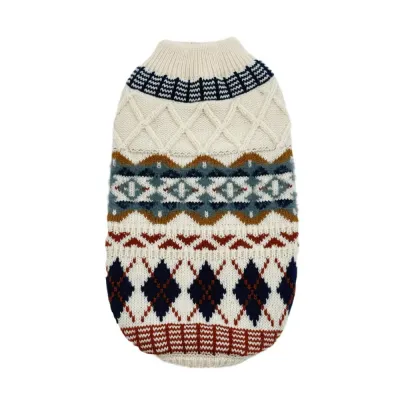
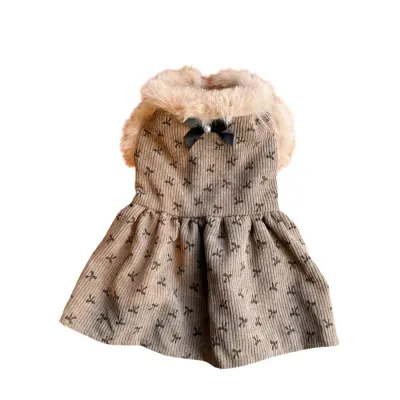
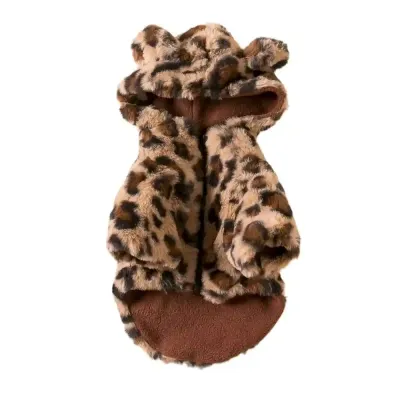
Apparel | Clearance plus fall preview | Summer styles can be an impulse add-on; warm layers and costumes begin the fall reset | Boutiques, social sellers, marketplace resellers |
Bird, chicken and small-animal supplies | Category expansion | Many feeding, watering, enrichment and habitat products are year-round | Farm/backyard retailers, local distributors, specialty online shops |
Are Labor Day pet deals worth waiting for?
They are worth waiting for only when the expected saving is greater than the cost of waiting. A retailer should account for four numbers: current gross margin, likely discount, expected units sold before the promotion and the risk of a stockout. If delaying an order causes two weeks of missed full-price sales, a later 15% purchase discount may not recover the lost margin. Conversely, waiting can be rational for a non-urgent fixture, bed, cat tree or test assortment when inventory is available and the purchase is not tied to an immediate customer commitment.
A simple decision formula is:
Net value of waiting = expected purchase saving − margin lost from delayed sales − added rush freight − stockout risk allowance.
The stockout allowance is a management estimate representing missed sales, emergency replacement stock and customer disappointment. For durable goods, compare dimensions, materials, returns and shipping; for consumables, check expiration and storage. A low unit cost is not a saving if excess units remain unsold.
The best pet supplies to buy during Labor Day sales
The best buys share three characteristics: they have clear customer utility, they can sell beyond the weekend and they do not require a large speculative commitment. That makes the following categories stronger candidates than novelty items with only a few days of relevance.
Dog and cat toys with year-round use
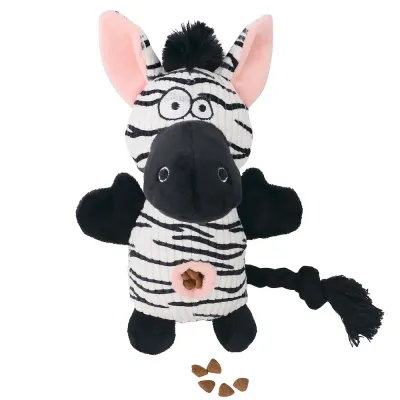
Dog toys frequently appear in pet promotions, and toys can work as accessible traffic drivers because customers understand them quickly and can add them to a larger basket. Durable chew toys, balls, tug toys and interactive toys have no strict seasonal expiration. Cat teasers, balls and puzzle toys can support an indoor-enrichment message as daylight and weather patterns change.
Segment toys by pet size, play style and supervision requirements. The FTC advises that advertising claims must be truthful and substantiated, so describe observable features instead of unsupported “indestructible” or health claims.
Portable feeding and travel products
Portable bowls are sometimes treated as summer products, but that description is too narrow. They support everyday walks, training sessions, road travel, hiking, camping and emergency preparedness. A store can move them from a “summer travel” display into a “walk-and-go” or “weekend adventure” section without misrepresenting the product.
Travel bottles, seat protection and carriers can form a functional display. Show dimensions, weight limits and fit clearly; trainers and mobile groomers can also demonstrate these products before recommending them.
Cooling supplies in markets where heat continues
Cooling mats do not become useless because the calendar reaches September. NOAA reported that September 2024 was the second-warmest September in the 130-year U.S. record, while September 2025 ranked among the warmer years nationally. NOAA’s Climate Normals also show that climate conditions vary substantially across locations. Retailers should therefore use local temperatures and customer behavior—not a national “summer is over” assumption—to decide whether cooling inventory still has selling time.
This is especially relevant in the South, Southwest and warm coastal markets. Cooling items should carry accurate instructions and no unsupported medical claims; they do not replace shade, water, ventilation or veterinary care during heat stress.
Grooming tools and service-linked products
Labor Day can be a good time to buy brushes, combs, towels, nail-care accessories and salon consumables because grooming is not confined to one season. Groomers and veterinary retail areas have an additional advantage: staff can explain the product, demonstrate proper use and recommend an option based on coat type.
Separate reusable tools from dated consumables. Liquids and wipes require closer attention to shelf life, storage and local rules, while “professional” claims should be used only when accurate.
Beds, cat trees and comfort products
Cat trees and pet beds can be cheaper during major retail events, but there is no guarantee that a specific size or model will be included. These products are attractive fall-transition items because they combine home comfort with year-round utility. They also carry higher freight and storage costs than small accessories, so the lowest displayed product price may not be the lowest landed cost.
Wholesale buyers should compare carton dimensions, assembly, replacement terms and delivery. A boutique may benefit more from one or two display models plus controlled replenishment than a deep order across many colors.
Chicken, bird, reptile and small-animal supplies
Labor Day opportunities extend beyond cats and dogs. APPA reported that 2025 ownership growth among Gen X included birds, reptiles and freshwater fish, although percentage growth in a segment should not be confused with total market size. The correct retail response is to test relevant products where the customer base exists, not to add every species category at once.
Bird toys and perches, chicken feeders and waterers, reptile habitat accessories and small-animal enrichment can all sell year-round. Category choice should follow the local customer base, making small tests particularly useful.
Clear, replenish and combine: a three-part merchandising plan
The strongest Labor Day assortment does not force a choice between summer clearance and fall arrivals. It assigns each product one of three jobs.
Clear selected summer inventory
Start with products that have lower-than-planned sell-through, duplicate colors or excess depth. Do not label all summer products obsolete. Outdoor toys still support exercise; portable bowls still support walks and travel; cooling products still solve a regional need; and summer apparel can become a low-price impulse item or bundle component.
Markdowns should be specific and honest. Retain evidence behind reference prices, state exclusions and end dates, and avoid advertising inventory that is not reasonably expected to be available.
Replenish proven year-round sellers
Use holiday purchasing opportunities to refill products with demonstrated demand, not simply products with the deepest supplier discount. Review units sold, gross profit dollars, weeks of supply and return rate by SKU. A product with a modest margin but frequent repeat purchase may deserve more inventory than a high-margin product that moves once a month.
For last-minute restocking, favor compact, proven products such as toys, lick mats, bowls and grooming accessories. Bulky, customized or unfamiliar seasonal products are less suitable unless delivery and demand are confirmed.
Combine clearance traffic with fall discovery
Place fall arrivals near—not inside—the summer markdown message. This lets a value-seeking customer discover new products without confusing what is discounted. Online, use “complete the routine” recommendations. In a store, use a small adjacent display with one clear benefit statement.
Useful combinations include:
- Outdoor toy + portable bowl: an easy walking, training or weekend-trip set.
- Slow feeder + lick mat: a feeding-and-enrichment pairing suitable for many indoor routines.
- Pet apparel + warm sleep mat: a comfort story that bridges fashion and function.
- Grooming brush + towel: a practical home-care or post-bath kit.
- Bird toy + perch accessory: an enrichment-led specialty bundle.
Bundles should solve a real use case. Track attachment rate—the percentage of qualifying transactions containing the paired item—to learn whether the combination works.
How much inventory should a small pet store order?
There is no responsible universal unit count. A small store should order from its own sales velocity, delivery lead time, available cash and tolerance for leftover stock. The U.S. Small Business Administration warns that a company can appear profitable while working capital remains tied up in inventory. That is why a lower unit price should never be evaluated separately from order size.
A practical starting calculation is:
Reorder point = average weekly unit sales × lead time in weeks + safety stock.
If a toy sells eight units per week, replenishment takes two weeks and the store holds six units as safety stock, the reorder point is 22 units. When the inventory position approaches 22, the buyer considers reordering. Safety stock should increase when demand or lead time is unstable and decrease when replenishment is fast and reliable.
For a new seasonal SKU, buy a test quantity, set a seven-to-fourteen-day review and define the sell-through threshold before ordering. Reorder only after the product meets the threshold.
Illustrative inventory decision matrix
Demand evidence | Lead time | Initial order posture | Review rule |
Strong history, stable weekly sales | Short | Replenish to calculated target plus modest safety stock | Review weekly; reorder at the calculated point. |
Strong history | Long or variable | Hold more safety stock, but confirm cash impact | Review supplier reliability and stockout cost monthly. |
New product, clear customer fit | Short | Small test order | Reorder only after measured sell-through. |
New product, uncertain local demand | Long | Sample, preorder or lowest practical MOQ | Avoid deep inventory until demand is demonstrated. |
Slow summer SKU with year-round use | Any | No automatic reorder; reposition or bundle first | Set an exit date and measure attachment rate. |
Strictly seasonal SKU after peak | Any | Stop replenishment unless a specific event justifies it | Clear transparently and protect next-season cash. |
How small retailers can compete with major Labor Day sales
An independent retailer is unlikely to beat a national chain on every advertised price. It can compete on relevance, service, curation and speed of decision-making. A groomer can recommend a brush after seeing the coat. A trainer can demonstrate an enrichment tool. A neighborhood store can create a small-dog travel set that reflects local customers. A specialist seller can stock chicken, bird or reptile products that a general promotion barely explains.
Price still matters, particularly as APPA reports more intentional spending. The answer is to protect visible value on a focused set of products while preserving margin elsewhere. Choose a few understandable offers, display the regular and promotional terms accurately, and give customers a reason to add a complementary product. “Twenty carefully selected deals” may be more credible and manageable than “everything on sale.”
Helpful content can also compete: publish a walking checklist, fall coat-care guide, regional cooling reminder or Halloween sizing guide that answers a customer’s full question.
What should pet stores stock after Labor Day?
The immediate post-Labor Day assortment should balance fall utility with fourth-quarter events. Suitable categories include warmer beds and mats, indoor enrichment toys, grooming supplies for changing coats, rain or cold-weather apparel where locally relevant, Halloween costumes and toys, Thanksgiving travel or hosting accessories, and early Christmas or holiday products.
Halloween has a short window, so test designs early. Thanksgiving emphasizes travel, home and feeding routines; Christmas supports gifting at several price points. Avoid excessive depth in short-lived novelty products.
Post-Labor Day assortment priorities
Window | Core need | Suggested product direction | Inventory risk control |
Early September | Transition and indoor routine | Beds, mats, interactive toys, grooming tools | Use year-round products as the base. |
Late September–October | Halloween and cooler weather | Costumes, themed toys, apparel, reflective walking gear | Test sizes/designs; set a markdown deadline before October 31. |
November | Travel, hosting and comfort | Car protection, portable feeding, beds, calming/enrichment products | Favor products that remain useful after Thanksgiving. |
Late November–December | Gifts and holiday presentation | Giftable toys, apparel, feeding accessories, subscription-box items | Build several price tiers; reorder proven winners rather than every novelty. |
How low-MOQ wholesale purchasing reduces risk
MOQ means the smallest quantity a supplier will accept for an order or SKU. For a large chain, a high minimum can create efficiency. For a small store, breeder, trainer, groomer or social-commerce seller, it can create concentration risk: too much cash is placed into too few products before customer response is known.
Low-MOQ sourcing supports test-and-reorder purchasing across toy styles, apparel sizes and specialty-pet categories. The advantage is not merely buying less; it is obtaining real sell-through information at lower cost.
Petfairs is designed as an online wholesale platform for small-business and professional buyers, with products for common companion animals and specialty categories. Its relevant role in a Labor Day plan is to help buyers compare a broad assortment, use low or one-carton minimums where offered, access factory-direct pricing and choose delivery options that fit their market. Product-level MOQ, stock location, DDP availability, delivery time and promotion terms should still be confirmed before checkout because they can vary by item and destination.
For global buyers, DDP—Delivered Duty Paid—can simplify landed-cost planning under the agreed terms, but the exact checkout or quotation controls. U.S.-warehouse inventory may support urgent domestic replenishment; confirm listed stock and processing time before relying on it.
Frequently asked questions
When should pet retailers place Labor Day wholesale orders?
Work backward from the required shelf or online launch date. For standard replenishment, three to four weeks before Labor Day is a reasonable planning point; for global freight or customized goods, order earlier according to the quoted lead time. Use last-minute warehouse stock only for confirmed gaps and proven products.
What pet supplies should retailers stock for Labor Day weekend?
Prioritize year-round toys, portable feeding products, travel accessories, grooming tools, enrichment items and regionally relevant cooling supplies. Add a limited fall preview of beds, mats, apparel and indoor toys. The final mix should reflect local customer and channel data.
Which summer pet products are suitable for Labor Day clearance?
Clear excess depth in outdoor toys, cooling products, travel accessories and summer apparel, but present their continuing uses honestly. Outdoor play, daily walks, road trips and warm-region comfort remain valid after the holiday.
Can small pet stores order wholesale supplies in small quantities?
Yes, some wholesale platforms and suppliers offer low or carton-based minimums. Check whether the MOQ applies per SKU, color, size, carton or total order. Also compare landed cost and freight thresholds, because a low product minimum does not automatically mean the lowest delivered cost.
How can retailers prepare for fall and Halloween after Labor Day?
Use year-round comfort and enrichment products as the foundation, then test Halloween designs in limited depth. Set review and markdown dates before ordering, especially for sized apparel and highly themed products.
Where can retailers find low-MOQ wholesale pet supplies?
Look for suppliers that state product-level minimums, carton quantities, stock location, shipping terms and delivery estimates clearly. Petfairs offers a broad online catalog across dog, cat and specialty-pet categories, with low or one-carton options on eligible products. Buyers should verify the terms on each listing.
Do dog toys go on sale for Labor Day?
They often appear in holiday or end-of-summer promotions, but inclusion varies by retailer and SKU. Compare the final price, durability information, size suitability, shipping and return terms before buying.
Are cat trees and pet beds cheaper during Labor Day?
Some models may be discounted, especially as retailers reset home and seasonal assortments. Because these products are bulky, calculate delivered cost and storage needs rather than comparing item price alone.
Can I save on pet grooming supplies during Labor Day?
Yes, grooming tools and consumables may be included in pet promotions. Check shelf life for liquids and consumables, and avoid buying more than the business can use or sell within a practical period.
Are there Labor Day deals on chicken and bird supplies?
They can be. Large pet retailers currently merchandise bird, farm/backyard and wild-bird categories alongside their Labor Day navigation, and specialty sellers may run separate offers. Confirm the actual eligible SKUs; a category link does not mean every product is discounted.
How long do Labor Day pet sales last?
Many run for several days to roughly two weeks, but there is no standard duration. Some end on Labor Day; others continue as end-of-summer clearance. Always use the seller’s published start time, end time and time zone.
Can Labor Day coupons be combined with free shipping?
Only when the seller’s terms allow stacking. Check minimum spend, eligible items, customer status, geography and whether shipping is calculated before or after discounts. If terms are unclear, ask before placing a deadline-sensitive order.
Should retailers discount summer products or promote fall arrivals?
Do both, but give each a separate role. Use selected summer markdowns to create traffic and free working capital; place fall arrivals nearby as the next solution. Do not obscure which items receive the discount.
How can retailers avoid overstocking after Labor Day?
Use SKU-level sales history, calculate reorder points, test new items with the lowest practical commitment and set review dates. Stop replenishing strict seasonal goods early enough to exit before demand disappears.
Final takeaway
Labor Day is not simply the moment to empty a summer shelf. It is a controlled handoff from one demand period to the next. Clear products that are genuinely overstocked, continue selling summer items that still solve real problems, replenish proven basics and introduce fall merchandise in measured quantities.
The pet industry’s scale makes the opportunity attractive, but market growth does not remove inventory risk from a small operator. The best Labor Day deal is therefore not always the largest percentage off. It is the purchase that improves customer relevance, protects gross margin, arrives on time and leaves enough cash to participate in Halloween, Thanksgiving and the holiday season.
Sources and methodology
This article combines current public data with an original operating framework for small pet retailers. Market figures are from APPA; the holiday definition is from the U.S. Department of Labor; weather context is from NOAA; promotional examples are drawn from current retailer pages; cash-flow guidance is supported by the U.S. Small Business Administration; and advertising cautions follow FTC guidance. Recommended timelines, inventory matrices and bundle ideas are managerial suggestions and should be adapted to actual sales data, local climate, supplier terms and applicable law.
- U.S. Department of Labor — History of Labor Day
- American Pet Products Association — Industry Trends & Stats
- APPA — U.S. Pet Industry Reaches $158 Billion in 2025
- American Veterinary Medical Association — U.S. Pet Ownership Statistics
- NOAA National Centers for Environmental Information — U.S. Climate Normals
- NOAA — September 2024 National Climate Report
- PetSmart — 2026 Labor Day Promotion
- U.S. Small Business Administration — Lean Business Planning and Cash Flow
- Federal Trade Commission — Advertising FAQs for Small Business
Editorial note: This content is informational and does not constitute legal, tax, veterinary or financial advice. Promotion terms and product availability change; verify current listing and checkout conditions before publishing specific claims.
 Popular Blogs